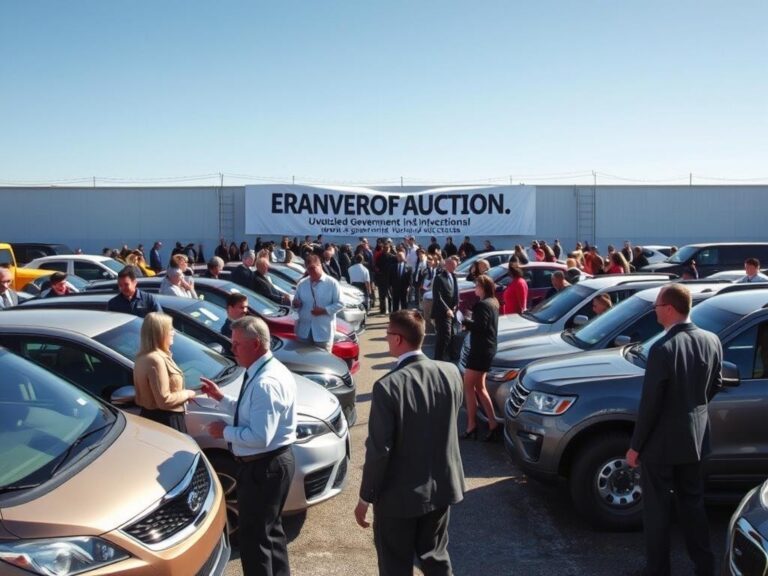

Are you considering purchasing a vehicle from an insurance auto auction? These specialized marketplaces offer a wide range of vehicles, from salvage title vehicles to clean title cars. Insurance auto auctions are where insurance companies sell vehicles that have been deemed total losses or are being sold off due to various reasons.
You can find a variety of vehicles at these auctions, including cars that have been damaged in accidents and have been repaired, as well as vehicles that have never been in an accident but are being sold for other reasons. Understanding what you’re getting into is crucial when buying from these auctions.
As a buyer, you need to know what to expect and how to navigate the process. This includes understanding the different types of titles, the condition of the vehicles, and the auction process itself.
Key Takeaways
- Insurance auto auctions sell a variety of vehicles, including salvage and clean title cars.
- Understanding the auction process is crucial for buyers.
- Vehicles sold at these auctions can range from damaged to never-been-in-an-accident cars.
- Knowing the types of titles and vehicle conditions is key.
- Buyers should be prepared to navigate a unique purchasing process.
What Are Insurance Auto Auctions?
Insurance auto auctions are a crucial part of the automotive industry, providing a platform for insurance companies to sell salvage vehicles. These auctions offer a unique opportunity for buyers to purchase vehicles at discounted prices.
The Purpose and Function of Auto Insurance Auctions
The primary purpose of insurance auto auctions is to allow insurance companies to recoup some of the costs associated with vehicles that have been deemed salvage or total losses. These auctions function as a marketplace where these vehicles are sold to the highest bidder, often at significantly lower prices than their retail counterparts.
Major Auction Companies in the United States
Some of the major players in the insurance auto auction industry in the United States include:
- Copart
- IAAI (Insurance Auto Auctions)
- Adesa
Public Access vs. Dealer-Only Auctions
Insurance auto auctions can be categorized into public access and dealer-only auctions. Public access auctions are open to anyone who registers, while dealer-only auctions are restricted to licensed dealerships. Understanding the differences between these two types can help you choose the right auction for your needs.
Salvage vs. Clean Title Vehicles Explained
When exploring insurance auto auctions, understanding the difference between salvage and clean title vehicles is crucial. This distinction significantly impacts your purchasing decision and the vehicle’s future value.
Understanding Salvage Title Designations
A salvage title is assigned to vehicles that insurance companies have deemed a total loss, usually due to extensive damage or theft. These vehicles are often sold at insurance auto auctions, providing buyers with potential opportunities for repair and resale.
Clean Title Opportunities at Insurance Auctions
On the other hand, clean title vehicles have no major issues recorded in their history. While less common at insurance auto auctions, these vehicles can offer buyers a reliable option with a transparent history.
Title Variations and Requirements Across Different States
It’s essential to understand that title requirements vary by state. Some states may have more stringent regulations regarding branded titles, which include salvage titles, flood damage titles, and more.
Branded Title Considerations
Branded titles provide additional information about a vehicle’s history, such as previous damage or other significant events. Understanding these title variations is crucial for making informed purchasing decisions at insurance auto auctions.
By grasping the differences between salvage, clean, and branded titles, you can better navigate the complexities of insurance auto auctions and make more informed decisions.
The Economics of Insurance Auto Auctions
Understanding the economics behind insurance auto auctions is crucial for making informed purchasing decisions. Insurance auto auctions involve the sale of vehicles that have been damaged or deemed total losses by insurance companies.
Why Vehicles End Up at Insurance Auctions
Vehicles end up at insurance auto auctions primarily due to accidents, theft, or natural disasters. When the cost of repairs exceeds a certain percentage of the vehicle’s value, insurance companies often declare the vehicle a total loss.
Price Comparisons with Retail Markets
Vehicles sold at insurance auto auctions are typically priced significantly lower than their retail market counterparts. This is because auctioned vehicles are often sold as-is, and their condition can vary widely.
Potential for Savings and Hidden Costs
While insurance auto auctions offer the potential for significant savings, there are also potential hidden costs to consider, such as repair costs and any necessary documentation fees.
Calculating Repair Costs and ROI
To ensure a profitable purchase, it’s essential to accurately calculate repair costs and potential return on investment (ROI). This involves assessing the vehicle’s damage, estimating repair costs, and comparing these to the vehicle’s potential resale value.
By carefully considering these economic factors, buyers can make informed decisions and potentially secure valuable deals at insurance auto auctions.
How Insurance Auto Auctions for Salvage and Clean Title Cars Work
The process of buying cars at insurance auto auctions involves several key steps that every buyer should understand. To participate, you’ll need to register and meet specific membership requirements, which can vary depending on the auction house and your status as a buyer.
Registration and Membership Requirements
Before you can start bidding, you must register with the auction company. This typically involves providing personal and business information, along with any necessary documentation, such as a dealer’s license if you’re a professional buyer. Some auctions may also require a background check or a deposit to secure your participation. As Insurance Auto Auctions notes, “Registration is the first step to accessing a wide range of vehicles at discounted prices.”
Online vs. In-Person Auction Formats
Insurance auto auctions can be conducted both online and in-person. Online auctions offer the convenience of bidding from anywhere, at any time, while in-person auctions allow you to inspect vehicles physically. According to industry experts, “Online auctions are becoming increasingly popular due to their accessibility and flexibility.” However, in-person auctions can provide a more traditional and sometimes more reliable experience.
Auction Fees and Additional Costs
When participating in insurance auto auctions, it’s essential to factor in additional costs beyond the purchase price of the vehicle. These can include buyer’s fees, registration fees, and any costs associated with transporting the vehicle. “Understanding all the fees involved is crucial to avoiding unexpected expenses,” as noted by seasoned auction buyers.
The Bidding and Purchasing Process
The bidding process is the most critical part of the auction. Buyers can bid online or in-person, and the process typically involves setting a maximum bid or bidding in real-time. Once you’ve won a vehicle, you’ll need to complete the purchase by paying the required fees and arranging for the vehicle’s transportation. As one auction house states, “The key to successful bidding is setting a realistic budget and sticking to it.”
In conclusion, participating in insurance auto auctions requires a thorough understanding of the process, from registration to purchasing. By being aware of the different auction formats, associated fees, and the bidding process, you can navigate these auctions with confidence and potentially secure great deals on salvage and clean title vehicles.
Preparing for Your First Auto Auction
Stepping into the auto auction arena for the first time requires a strategic approach to maximize your chances of securing the right vehicle. To navigate this complex process successfully, you need to be well-prepared.
Creating a Strategic Research Plan
Begin by researching the types of vehicles available at insurance auto auctions, including both salvage and clean title cars. Understand the market value of the vehicles you’re interested in to make informed bidding decisions. Utilize online resources, such as pricing guides and auction histories, to refine your search.
Setting a Realistic Budget
Determine your budget before the auction to avoid getting caught up in the excitement of bidding. Consider not just the purchase price, but also additional costs such as auction fees, potential repairs, and any necessary documentation fees. Setting a realistic budget is crucial to avoid financial strain.

Understanding Auction Documentation
Familiarize yourself with the auction documentation, including the terms and conditions of sale, vehicle inspection reports, and title information. Understanding these documents can help you make more informed decisions and avoid potential pitfalls.
Tools and Resources for Auction Preparation
Leverage available tools and resources to enhance your preparation. These may include online auction platforms, vehicle history reports, and pricing guides. Utilizing these resources can significantly improve your chances of a successful auction experience.
Vehicle Inspection Strategies
To succeed in insurance auto auctions, you need to develop effective vehicle inspection strategies. Inspecting vehicles before purchase is crucial, especially for salvage titles, to assess damage and potential repair costs.
Pre-Auction Inspection Options and Limitations
Before bidding, it’s essential to understand the pre-auction inspection options available. Some auctions offer on-site inspections, while others provide limited information. You should be aware of these limitations to plan your inspection strategy effectively.
- Review available inspection reports
- Conduct your own inspection if possible
- Understand the auction’s inspection policies
Critical Areas to Examine in Salvage Vehicles
When inspecting salvage vehicles, focus on critical areas that can indicate the extent of damage and necessary repairs. These include:
- The vehicle’s frame and structural integrity
- Damage to the engine and transmission
- Electrical system functionality
- Condition of the interior and exterior
Evaluating Damage Types and Repair Feasibility
Assessing the type and extent of damage is vital for determining repair feasibility and costs. Consider the following:
- Types of damage (e.g., flood, collision, fire)
- Cost of necessary repairs
- Availability of replacement parts
Using Vehicle History Reports Effectively
Vehicle history reports provide valuable information about a vehicle’s past. Use these reports to:
- Verify the vehicle’s title status
- Check for any previous accidents or damage
- Understand previous ownership and usage
Decoding Auction Condition Reports
Auction condition reports can be complex. To decode them effectively, look for:
- Detailed descriptions of vehicle condition
- Notes on any existing damage
- Information on necessary repairs or replacements
By understanding and utilizing these inspection strategies, you can make more informed decisions when bidding on vehicles at insurance auto auctions.
Mastering the Bidding Process
To navigate insurance auto auctions effectively, you need a solid bidding strategy. This involves understanding the different bidding techniques and knowing how to avoid common pitfalls.
Creating a Winning Bidding Strategy
Developing a bidding strategy begins with setting a realistic budget and sticking to it. Research the market value of the vehicles you’re interested in to determine your maximum bid. Consider factors like the vehicle’s condition, needed repairs, and potential resale value.
It’s also crucial to decide on your bidding approach. Will you be aggressive, trying to win the bid at the lowest possible price, or will you be more conservative, ensuring you don’t overpay but being prepared to bid higher if necessary?
Proxy Bidding vs. Live Bidding Techniques
Insurance auto auctions often offer two primary bidding methods: proxy bidding and live bidding. Proxy bidding allows you to set your maximum bid, and the system automatically bids on your behalf up to that amount. Live bidding, on the other hand, involves real-time bidding, usually in an online or physical auction setting.
Proxy bidding is convenient for those who can’t participate in live auctions or prefer to keep their maximum bid private. However, live bidding can be more engaging and allows for immediate adjustments based on the auction’s dynamics.
Avoiding Common Bidding Mistakes
One of the most significant mistakes bidders make is getting caught up in the excitement of the auction and overspending. To avoid this, stick to your budget and don’t be afraid to walk away if the bidding exceeds your limit.
Another common error is failing to research the vehicle’s history and condition thoroughly. Make sure you have all the necessary information before placing a bid.
When to Walk Away from a Potential Purchase
Knowing when to walk away is as important as knowing how to bid. If the bidding exceeds your budget or if you discover significant issues with the vehicle during the inspection, it’s better to withdraw.
Walking away can save you from potential financial losses and ensure that your auction experience remains positive.
Legal Considerations and Requirements
When purchasing a vehicle at an insurance auto auction, it’s crucial to understand the legal landscape surrounding salvage titles. The laws governing salvage vehicles vary significantly across different states, making it essential for buyers to be aware of the specific regulations in their jurisdiction.
State-Specific Regulations for Salvage Vehicles
Each state has its own set of rules regarding salvage vehicles, including how they are titled and registered. For instance, some states require a salvage vehicle to be inspected before it can be retitled, while others may have different documentation requirements. You should research the specific regulations in your state to ensure compliance.
The Rebuilding and Retitling Process
The process of rebuilding and retitling a salvage vehicle involves several steps, including obtaining the necessary permits, completing repairs, and undergoing inspections. After these steps are completed, the vehicle can be retitled as rebuilt or reconstructed, depending on the state’s terminology.
Insurance Challenges for Auction Vehicles
Insuring a salvage vehicle can be challenging due to the vehicle’s history and potential for hidden damage. You may face higher premiums or difficulties in obtaining full coverage. It’s essential to discuss your insurance options with providers before finalizing your purchase.
Emissions and Safety Inspection Requirements
Many states require salvage vehicles to undergo emissions and safety inspections before they can be registered for road use. These inspections ensure that the vehicle meets minimum safety and environmental standards. You should factor these requirements into your overall cost calculation.
Financial Aspects of Auction Purchases
Purchasing a vehicle through an insurance auto auction requires a thorough understanding of the financial commitments involved. As you navigate the process, you’ll need to consider various financial aspects to ensure a successful transaction.
Payment Methods and Requirements
Insurance auto auctions typically require immediate payment or a significant deposit upon winning a bid. Accepted payment methods can vary, but often include wire transfers, credit cards, or cash. It’s essential to understand the auction’s payment terms before participating.
Financing Options for Auction Vehicles
Financing options for vehicles purchased at insurance auto auctions may be limited compared to traditional car buying. Some lenders specialize in auction vehicle financing, but be prepared for potentially higher interest rates or stricter terms.
Calculating Your Total Investment
To accurately calculate your total investment, consider not only the purchase price but also additional costs such as auction fees, transportation, and any necessary repairs. Creating a comprehensive budget will help you avoid unexpected expenses.
Tax Implications and Potential Deductions
Tax implications can vary depending on the vehicle’s intended use and your location. Potential deductions may be available for business use or charitable donations. Consult with a tax professional to understand the specific implications for your situation.
By carefully considering these financial aspects, you can make a more informed decision when purchasing a vehicle at an insurance auto auction.
Real-World Experiences: Success Stories and Cautionary Tales
The world of insurance auto auctions is filled with stories of success and failure, providing valuable lessons for prospective buyers. Experienced buyers have shared their insights into successful restoration projects and common pitfalls to avoid.
Profitable Restoration Projects
Many buyers have turned a profit by restoring vehicles purchased at insurance auto auctions. For instance, a salvage vehicle with minor damage can be repaired and sold for a significant profit. Successful restoration projects require careful planning, a realistic budget, and a thorough understanding of the vehicle’s condition.
Common Pitfalls and How to Avoid Them
Despite the potential for profit, many buyers fall into common traps. These include underestimating repair costs, overlooking hidden damage, and failing to research the market value of the vehicle. To avoid these pitfalls, buyers should conduct thorough inspections and research before bidding.
Professional Tips from Experienced Buyers
Experienced buyers recommend setting a realistic budget, being patient, and not getting emotionally attached to a particular vehicle. They also suggest seeking professional advice when needed.
Evaluating Your Personal Risk Tolerance
Before participating in an insurance auto auction, it’s essential to evaluate your personal risk tolerance. Consider your financial situation, the potential risks involved, and your ability to absorb any losses.
Conclusion: Is Buying from Insurance Auto Auctions Worth It?
Buying from insurance auto auctions can be a viable option for those looking to purchase salvage or clean title vehicles at discounted prices. As discussed, these auctions offer a wide range of vehicles, from damaged cars to those with clean titles, providing opportunities for savings.
To determine if insurance auto auctions are worth it for you, consider the benefits and challenges outlined in this article. With proper research, a well-planned bidding strategy, and an understanding of the potential risks, you can make informed decisions and potentially save money on your next vehicle purchase.
Whether you’re a seasoned buyer or a newcomer to insurance auto auctions, being aware of the process, including registration requirements, auction formats, and the importance of vehicle inspections, is crucial. By weighing the pros and cons, you can decide if buying salvage vehicles or other cars from insurance auto auctions aligns with your financial goals and risk tolerance.
Ultimately, insurance auto auctions can be a valuable resource for those willing to navigate the process and take on the associated risks. With the right approach, you can find a good deal on a vehicle that meets your needs.
FAQ
What is an insurance auto auction?
What types of vehicles are sold at insurance auto auctions?
How do insurance auto auctions work?
What is the difference between a salvage title and a clean title?
Can anyone participate in insurance auto auctions?
How do I inspect a vehicle before bidding at an insurance auto auction?
What are the risks of buying a salvage title vehicle at an insurance auto auction?
How do I finance a vehicle purchased at an insurance auto auction?
What are the tax implications of buying a vehicle at an insurance auto auction?
Can I return or exchange a vehicle purchased at an insurance auto auction?
How do I register a salvage title vehicle purchased at an insurance auto auction?
What are the benefits of buying a vehicle at an insurance auto auction?
Sobre o Autor