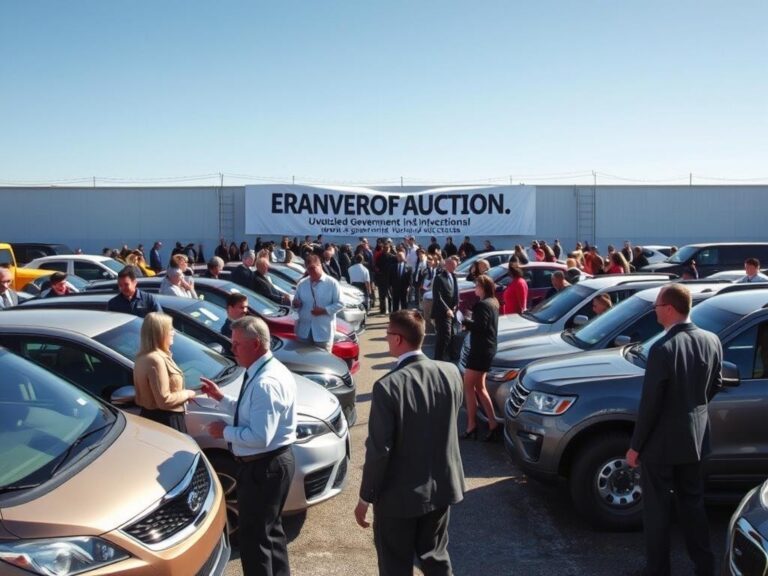

Are you looking for a great deal on a vehicle? Repo car auctions can be an excellent option for cash buyers. Repossessed cars are sold at auctions to recover debts, often resulting in below-market prices for buyers.
As a cash buyer, you have a significant advantage in these auctions. Sellers prefer cash transactions because they are quicker and more secure. By following a step-by-step process, you can navigate repo car auctions with confidence and secure the best deals.
Key Takeaways
- Repo car auctions offer below-market prices for vehicles.
- Being a cash buyer gives you a significant advantage.
- A step-by-step process helps navigate auctions with confidence.
- Cash transactions are quicker and more secure for sellers.
- Repo car auctions can be a great option for finding deals.
Understanding Repo Car Auctions
Understanding the process of repo car auctions is crucial for cash buyers seeking to make a smart purchase. Repo car auctions involve the sale of repossessed vehicles, which are typically sold to recover debts owed by the previous owners.
What Are Repossessed Vehicles?
Repossessed vehicles are those that have been taken back by lenders due to non-payment of loans or other financial obligations. These vehicles are then sold at auctions to recoup some of the losses. As a cash buyer, you’re in a strong position to negotiate and secure a good deal.
How Repo Auctions Differ from Regular Car Sales
Unlike traditional car buying experiences, repo auctions are often fast-paced and competitive. Vehicles are typically sold “as-is,” meaning there’s no warranty or guarantee. This requires buyers to be diligent in their research and inspection.
Types of Repo Auctions Available
Repo auctions can be categorized into different types based on their format. The two main types are:
In-Person Auctions
In-person auctions take place at physical locations, such as auction houses or car lots. They allow bidders to inspect vehicles before bidding.
Online Auctions
Online auctions, on the other hand, are conducted over the internet, allowing bidders to participate remotely. This format offers greater flexibility and access to a wider range of vehicles.
Both formats have their advantages, and understanding these can help you choose the best option for your needs.
Advantages of Being a Cash Buyer at Repo Auctions
As a cash buyer, you’ll have a significant edge at repo car auctions. Being able to pay upfront provides several key benefits that can lead to securing better deals.
Immediate Purchase Power
With cash in hand, you can make immediate purchases, which is often a decisive factor in repo auctions. Sellers prefer cash buyers because they eliminate the risk of financing falling through.
Negotiation Leverage
Cash buyers often have more negotiation leverage. Sellers are more willing to negotiate prices or throw in extras to secure a quick sale.
Avoiding Financing Complications
By paying cash, you avoid potential financing complications that can delay or derail a purchase.
Special Access to Certain Auctions
Some repo auctions are exclusively available to cash buyers, providing access to a broader range of vehicles.
Essential Preparation Before Attending Repo-Car-Auctions-For-Cash-Buyers
Before you step into the high-stakes world of repo car auctions, it’s crucial to prepare yourself adequately. As a cash buyer, your preparation will be the key to securing the best deals at these auctions.
Setting a Realistic Budget
Setting a realistic budget is the first step in preparing for repo car auctions. Determine the maximum amount you’re willing to spend and stick to it. Consider additional costs such as auction fees, taxes, and potential repairs.
Researching Vehicle Values
Researching the market value of the vehicles you’re interested in is vital. Use tools like Kelley Blue Book to understand the fair market value of the cars. This knowledge will help you make informed bidding decisions.
Understanding Auction Rules and Fees
Each auction house has its own set of rules and fees. Understand the buyer’s premium, any registration fees, and the payment terms before you start bidding. Being aware of these costs will help you avoid unexpected expenses.
Preparing Your Cash Safely
As a cash buyer, you’ll need to have your funds ready. Consider the safest ways to transport your money to the auction. Some auctions may accept alternative payment methods.
Alternative Payment Methods
Some repo car auctions may accept wire transfers, cashier’s checks, or even credit cards for certain amounts. Check with the auction house beforehand to understand their accepted payment methods.
How to Find Legitimate Repo Car Auctions
With the rise of online auctions, finding legitimate repo car auctions has become more accessible than ever. You can now explore various channels to discover repossessed vehicles at discounted prices.
Online Auction Platforms
Online platforms have revolutionized the way we search for repo car auctions. Websites like Hubzu and Xome offer a wide range of repossessed vehicles. These platforms provide detailed information about the vehicles, including their history and condition.
Bank and Credit Union Auctions
Banks and credit unions often hold repo car auctions to liquidate repossessed vehicles. You can find information about these auctions on the institutions’ websites or by visiting their branches. Some banks even offer online bidding, making it easier for you to participate from the comfort of your home.
Government Auctions
Government agencies, such as the U.S. Marshals Service, hold auctions to sell seized and repossessed vehicles. These auctions can be a great source of affordable vehicles, but be sure to research the auction process and vehicle conditions thoroughly.
Local Auction Houses
Local auction houses often host repo car auctions. Visiting these auctions in person can give you a better understanding of the vehicle’s condition and allow you to inspect the vehicles before bidding.
Subscription Services for Auction Alerts
Consider subscribing to services that provide alerts for upcoming repo car auctions. These services can help you stay informed about new listings and give you a competitive edge in finding the best deals.
Pre-Auction Vehicle Inspection Strategies
Inspecting a vehicle before bidding at a repo car auction can save you from potential financial pitfalls. A thorough inspection helps you make an informed decision and avoid costly surprises down the road.
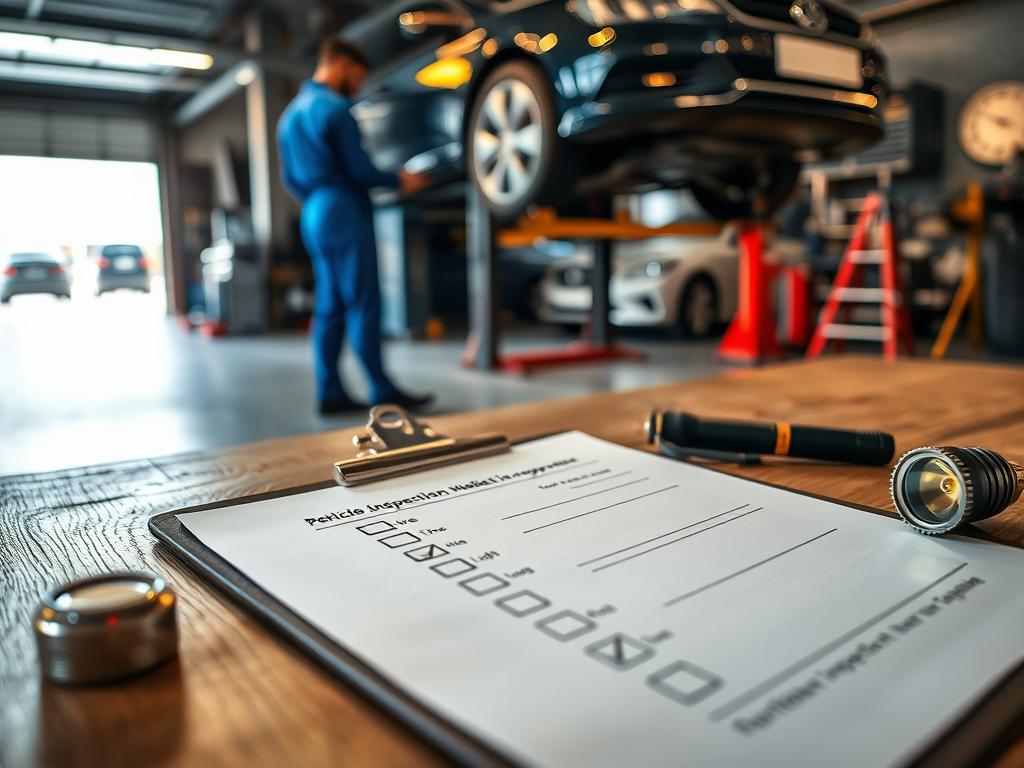
Visual Inspection Checklist
Begin with a visual inspection to identify any exterior or interior damage. Check for:
- Dents, scratches, or rust on the body
- Condition of tires, including tread depth and signs of uneven wear
- Functionality of lights, signals, and other electrical components
- Signs of wear or damage on interior components like seats, dashboard, and carpets
Pay particular attention to any signs of repainting or overspray, as these could indicate previous damage.
Mechanical Assessment Tips
A mechanical assessment can reveal potential issues not visible during a visual inspection. Consider:
- Checking the oil and coolant levels, as well as their condition
- Listening for unusual noises during engine startup and while driving
- Testing the brakes for proper function
- Assessing the transmission for smooth shifting
Vehicle History Report Importance
Obtaining a vehicle history report is crucial. It provides information on:
- Previous ownership and any title issues
- Accident history
- Odometer readings over time
This information can be invaluable in assessing the vehicle’s condition and potential for future issues.
When to Bring a Mechanic
If you’re not mechanically inclined, consider bringing a professional mechanic to inspect the vehicle. They can:
- Identify potential issues that you might miss
- Provide a more detailed assessment of the vehicle’s condition
This can be particularly useful for high-value or complex vehicles.
Red Flags to Watch For
During your inspection, be on the lookout for red flags such as:
- Signs of odometer tampering
- Evidence of major repairs or repainting
- Unusual or excessive wear on parts
Identifying these issues early can save you from making a costly purchase.
Developing an Effective Bidding Strategy
Developing an effective bidding strategy is crucial for securing the best deals at repo car auctions. To outmaneuver competitors and get the vehicle you want at a price you’re comfortable with, you need to be prepared.
Setting Maximum Bid Limits
Before the auction begins, it’s essential to determine the maximum amount you’re willing to bid for a vehicle. This limit should be based on your research of the vehicle’s market value, plus any additional costs such as auction fees and potential repairs. Sticking to your predetermined limit helps you avoid getting caught up in the excitement of the auction and overspending.
Reading the Auction Room
Understanding the dynamics of the auction room can give you an edge. Observe other bidders, noting their confidence levels and bidding patterns. Some bidders may be aggressive, while others might be more cautious. Being aware of these dynamics can help you time your bids more effectively and potentially intimidate your competition.
Timing Your Bids Strategically
The timing of your bids can significantly impact your success. Bidding too early can drive up the price, while bidding too late might mean missing out on the vehicle. A strategic approach is to wait until the bidding slows down, then make your move. This can help you secure the vehicle at a lower price.
Avoiding Emotional Bidding
It’s easy to get emotionally attached to a particular vehicle, but this can lead to overbidding. To avoid this, keep your emotions in check and stick to your budget. Remind yourself that there will be other opportunities if you miss out on a particular vehicle.
Competing Against Dealers
Dealers often have more experience and resources, making them formidable competitors. To compete effectively, focus on vehicles that are likely to have less competition, such as those with higher mileage or less popular models. Additionally, be prepared to walk away if the bidding exceeds your limit.
By combining these strategies, you can develop a comprehensive bidding approach that helps you navigate repo car auctions with confidence. Key elements include setting clear limits, understanding the auction environment, timing your bids carefully, maintaining emotional control, and outmaneuvering competitors.
Completing the Purchase Process
Once you’ve successfully bid on a vehicle at a repo car auction, the next crucial step is completing the purchase process. This involves several key actions to ensure a smooth transaction.
Payment Methods Accepted
Most repo car auctions require immediate payment or a significant deposit upon winning a bid. Commonly accepted payment methods include cash, cashier’s checks, and sometimes credit cards. It’s essential to confirm the accepted payment methods with the auctioneer before bidding.
Required Documentation
You’ll typically need to provide identification and proof of insurance to complete the purchase. Some auctions may also require additional paperwork, such as a bill of sale or a transfer of ownership form.
Transfer of Ownership
The auction house will usually handle the transfer of ownership process, but it’s your responsibility to ensure all paperwork is correctly completed. Verify that the title is clear and properly transferred to your name.
Transportation Arrangements
After purchasing, you’ll need to arrange for the vehicle to be transported. Some auctions offer on-site towing services, while others may require you to organize transportation yourself.
Dealing with As-Is Purchases
Most repo car auctions sell vehicles ‘as-is.’ This means you’re responsible for any repairs or issues that arise after purchase. Consider having a mechanic inspect the vehicle before bidding to avoid unexpected costs.
Post-Purchase Considerations for Repo Vehicles
Once you’ve secured a repo car at an auction, the real work begins with post-purchase considerations. It’s essential to address several key tasks to ensure your purchase is both cost-effective and safe to drive.
Immediate Mechanical Inspection
After purchasing a repo vehicle, it’s crucial to conduct an immediate mechanical inspection to identify any potential issues. This step can help you avoid costly surprises down the road. Consider hiring a mechanic to inspect the vehicle thoroughly, checking for any signs of wear or needed repairs.
Title and Registration Process
Understanding the title and registration process is vital. Ensure you receive all necessary documentation from the seller, and then promptly register the vehicle in your name. This step is crucial for avoiding legal complications and ensuring you can obtain insurance.
Insurance Requirements
Securing the right insurance coverage is another critical post-purchase consideration. Research insurance options that fit your needs and budget, and be sure to comply with your state’s minimum insurance requirements.
Addressing Common Issues
Repo vehicles may come with existing problems. Be prepared to address common issues such as worn-out parts or needed maintenance. Creating a budget for immediate repairs will help you manage these challenges effectively.
Budgeting for Immediate Repairs
It’s wise to budget for immediate repairs or maintenance. Set aside funds for any necessary work to keep your vehicle in good condition. This proactive approach will help you enjoy your purchase while minimizing potential financial strain.
Common Mistakes to Avoid at Repo Car Auctions
Repo car auctions offer great deals, but only if you avoid the most common mistakes that can turn a bargain into a financial burden. Many buyers get caught up in the excitement of the auction, only to realize later that they’ve made costly errors. By being aware of these potential pitfalls, you can navigate the process more effectively and secure a better deal.
Skipping Due Diligence
One of the most critical mistakes is skipping due diligence. This includes not inspecting the vehicle thoroughly, not checking its history, and not researching its market value. As the saying goes, “you get what you pay for.” Skipping these steps can lead to purchasing a vehicle with hidden problems. Always inspect the vehicle carefully and use services like Carfax or AutoCheck to get a detailed history report.
Exceeding Your Budget
Another common mistake is exceeding your budget. It’s easy to get caught up in the bidding process and end up paying more than you intended. Set a firm budget before the auction and stick to it. Consider the total cost of ownership, including any repairs or fees associated with the purchase.
Ignoring Hidden Costs
Ignoring hidden costs is another pitfall. Some auctions charge buyer’s fees, registration fees, or other costs that can add up quickly. Make sure you understand all the costs involved before you bid. As a savvy buyer once said, “The price is not the cost.”
Failing to Read Terms and Conditions
Failing to read the terms and conditions of the auction can also lead to unpleasant surprises. Understand the payment terms, the transfer of ownership process, and any other obligations you’re undertaking.
Not Having a Plan B
Finally, not having a Plan B can leave you stranded if your bid isn’t successful. Consider alternative vehicles or auctions, and be prepared to walk away if the deal isn’t right.
By avoiding these common mistakes, you can have a more successful and less stressful experience at repo car auctions. Stay informed, stay vigilant, and you’ll be driving away in your new vehicle in no time.
Real Success Stories: Cash Buyers Who Scored Big
Cash buyers have been known to snag incredible deals at repo car auctions, often scoring luxury vehicles at a fraction of their retail price. These success stories are not just limited to individual buyers; businesses have also capitalized on the opportunity to purchase fleet vehicles at discounted rates.
Luxury Vehicles at Fraction of Retail
Many cash buyers have reported purchasing high-end vehicles, such as luxury sedans and SUVs, for significantly less than their market value. For instance, a buyer might acquire a nearly new luxury car for 50-60% off its original price.
Fleet Purchases for Business Use
Businesses looking to expand their fleets have found repo car auctions to be a cost-effective solution. By purchasing multiple vehicles at auction, companies can save substantially on their fleet acquisition costs.
Lessons Learned from Experienced Buyers
Experienced cash buyers often share valuable insights, such as the importance of thorough vehicle inspections and setting strict budgets. These lessons can be invaluable for newcomers to the repo car auction scene.
Turning Auction Purchases into Profit
Some savvy buyers have turned repo car auctions into a profitable venture by buying low and selling high. This strategy requires a good understanding of market values and the condition of the vehicles being auctioned.
By learning from these success stories and applying the lessons learned, you can join the ranks of cash buyers who have scored big at repo car auctions.
Conclusion
As a cash buyer, you’re well-positioned to capitalize on the opportunities presented by repo car auctions. By understanding the process and being prepared, you can drive away with significant savings.
To recap, being a cash buyer at repo car auctions provides immediate purchase power, negotiation leverage, and access to certain auctions. Proper preparation involves setting a realistic budget, researching vehicle values, and understanding auction rules and fees.
When attending repo car auctions, it’s crucial to inspect vehicles thoroughly, develop an effective bidding strategy, and complete the purchase process efficiently. By avoiding common mistakes and being aware of post-purchase considerations, you can ensure a smooth transaction.
By applying the knowledge gained from this article, you’ll be better equipped to navigate repo car auctions and secure the best deals. As a cash buyer, you’ll have the upper hand in negotiations, allowing you to drive away with a great vehicle at a fraction of the cost.
FAQ
What is a repo car auction?
What are the benefits of being a cash buyer at a repo car auction?
How do I prepare for a repo car auction?
Where can I find legitimate repo car auctions?
How do I inspect a vehicle before bidding at a repo car auction?
What is the best bidding strategy for repo car auctions?
What payment methods are accepted at repo car auctions?
What are the post-purchase considerations for repo vehicles?
What are common mistakes to avoid at repo car auctions?
Can I purchase luxury vehicles at repo car auctions?
Are repo car auctions a good option for business fleet purchases?
Sobre o Autor