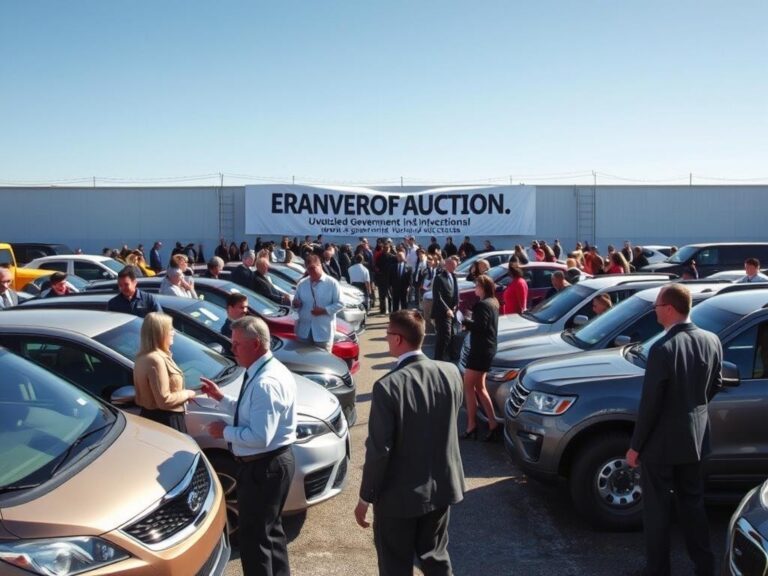

Buying a car at a U.S. auction can be a great way to score a deal, but hidden costs can quickly add up. To avoid surprises, it’s essential to understand the various fees involved.
You may encounter several types of fees, including buyer’s premium, taxes, and transport costs. These costs can significantly impact your overall expenditure.
By understanding these costs, you can make informed decisions and plan your budget effectively.
Key Takeaways
- Understand the different types of fees associated with car auctions.
- Factor in buyer’s premium, taxes, and transport costs when budgeting.
- Be aware of hidden costs that can add up quickly.
- Plan your budget effectively to avoid surprises.
- Make informed decisions when buying a car at a U.S. auction.
The Real Cost of Buying at Car Auctions
The thrill of winning a car auction can quickly turn into a financial burden if you’re not aware of the additional costs involved. As a buyer, it’s essential to understand that the final bid amount is just one part of the total expense.
Why Sticker Prices Can Be Misleading
When browsing car auctions, the sticker price or the final bid amount often grabs your attention. However, this is only the initial cost. You need to consider other expenses that can significantly increase the total price you pay.
Many buyers focus solely on the final bid amount, overlooking the various fees associated with the purchase. These can include buyer’s premiums, registration fees, and transportation costs, among others.
The Fee Ecosystem in Auto Auctions
The auto auction industry has a complex fee ecosystem that includes various charges. Understanding these fees is crucial to avoid unexpected expenses. Some of the common fees include buyer’s premiums, registration fees, and documentation fees.
Each auction house may have its own set of fees, so it’s vital to review the fee structure before participating in an auction.
How Fees Can Add 10-30% to Your Purchase Price
Additional fees can significantly increase the total cost of your purchase. In many cases, these fees can add 10-30% to the final bid amount. For instance, a buyer’s premium alone can range from 5-15% of the hammer price.
To avoid surprises, you should factor these additional costs into your budget. By doing so, you can make a more informed decision and avoid overspending.
Buyer’s Premium: The Primary Auction Fee
The buyer’s premium is a crucial component of the total cost when buying at car auctions. It’s a fee charged by the auction house on top of the winning bid price, serving as compensation for their services.
What Is a Buyer’s Premium and Why It Exists
A buyer’s premium is an additional fee that buyers pay to the auction house. It exists to compensate the auctioneer for their role in facilitating the sale. This fee helps cover operational costs, including marketing, facilities, and staff.
How Buyer’s Premiums Are Calculated
Buyer’s premiums can be calculated in two main ways: as a percentage of the final bid or as a flat fee. Most auction houses use a percentage-based system, which can range from 5% to 15% or more of the hammer price.
- Percentage-based: More common, where the premium is a percentage of the winning bid.
- Flat Fee: Some auctions charge a fixed amount regardless of the bid price.
Comparing Premiums Across Major Auction Houses
Different auction houses have varying fee structures. Here’s a comparison of major players:
Manheim, Copart, and Barrett-Jackson Fee Structures
- Manheim: Typically charges a buyer’s premium around 5-7%.
- Copart: Charges a percentage-based premium, often around 10-12%.
- Barrett-Jackson: Known for higher premiums, sometimes exceeding 15%.
Understanding these fees is crucial for budgeting. For instance, on a $10,000 bid, a 10% buyer’s premium adds $1,000 to the total cost.
When planning to bid, research the auction house’s fee structure to avoid surprises. Some auctions may offer lower premiums but higher registration fees, so it’s essential to factor in all costs.
Registration and Entry Fees
Before you can start bidding, you need to understand the registration and entry fees associated with car auctions. These fees vary depending on the auction house and the type of registration required.
Dealer vs. Public Registration Requirements
Most car auctions differentiate between dealer and public registration. Dealers typically need to provide a dealer license, while the public may only need basic identification. Understanding these requirements is crucial to avoid last-minute surprises.
Refundable Deposits and How to Recover Them
Some auctions require a refundable deposit to participate. To recover it, you usually need to contact the auction house after the event. Keep your documentation handy to facilitate the refund process.
Membership Tiers and Their Benefits
Many auction houses offer membership tiers with varying benefits, such as access to exclusive events or reduced fees. Evaluating these options can help you save money and enhance your auction experience.
Car-Auction-Fees-Explained: A Complete Breakdown
To avoid surprises at car auctions, it’s essential to comprehend the various fees involved. Car auction fees can significantly impact your total purchase cost, and understanding these fees is crucial for making informed decisions.
Mandatory Fees You Cannot Avoid
Mandatory fees are charges that you must pay when buying a car at an auction. These typically include:
- Buyer’s premium: A percentage of the hammer price paid to the auction house.
- Registration fees: Charges for registering as a buyer at the auction.
- Sales tax: Varies by state and locality.
These fees are non-negotiable and are part of the auction process.
Optional Services and Their Costs
Optional services can add to your overall cost but may provide valuable benefits. These can include:
- Inspection services: Pre-purchase inspections to evaluate the vehicle’s condition.
- Transportation services: Arranging for the vehicle to be shipped to your location.
- Storage fees: Costs associated with holding the vehicle after purchase.
While these services are optional, they can be crucial for a smooth transaction.
Fee Disclosure Practices and Red Flags
It’s vital to understand how auction houses disclose fees. Look for clear and transparent fee structures. Red flags include:
- Hidden fees not disclosed until the final stages.
- Complex fee structures that are hard to understand.
Reading the Fine Print in Auction Terms
Always read the auction terms and conditions carefully. Pay attention to sections detailing fees and charges. If anything is unclear, don’t hesitate to ask the auction house for clarification.
Understanding the fine print can save you from unexpected costs and ensure a smoother transaction.
Sales Tax and Government Fees
Beyond the bid price, sales tax and government fees can significantly impact your total expenditure when buying a vehicle at an auction. Understanding these additional costs is essential to avoid unexpected expenses.
State-by-State Tax Variations for Vehicle Purchases
Sales tax rates on vehicle purchases vary significantly from state to state. Some states, like Oregon and New Hampshire, have no sales tax, while others like Washington and Tennessee have rates over 8%. It’s crucial to research the sales tax rate in the state where you’re making your purchase.
For instance, if you’re buying a car in California, you’ll need to pay 7.25% sales tax, whereas in Texas, the rate is 6.25%. Understanding these variations can help you factor in the total cost of your purchase.
Title Transfer and Documentation Fees
In addition to sales tax, you’ll need to consider title transfer and documentation fees. These fees cover the cost of transferring the vehicle’s title into your name and can range from $15 to $50, depending on the state.
Key documentation fees to consider:
- Title transfer fee
- Registration fee
- Documentation fee (if purchasing from a dealer)
Out-of-State Purchase Considerations
If you’re buying a vehicle from an out-of-state auction, you’ll need to consider additional costs and requirements, such as temporary tags and interstate transport regulations.
Temporary Tags and Interstate Transport Requirements
When transporting a vehicle across state lines, you may need to obtain temporary registration or tags. These requirements vary by state, so it’s essential to research the specific regulations for your situation.

- Research temporary registration requirements
- Understand sales tax implications in your home state
- Factor in additional transport costs
Transportation and Shipping Costs
Once you’ve successfully bid on a vehicle, the next step is to arrange for its transportation, which can be a costly endeavor. Understanding your options and their associated costs is crucial for budgeting effectively.
On-Site Pickup vs. Delivery Options
You have two primary options for receiving your purchased vehicle: on-site pickup or delivery. On-site pickup allows you to collect the vehicle directly from the auction site, potentially saving on transportation costs. However, this requires you to arrange for the vehicle’s transport afterward. On the other hand, delivery options offer convenience, as the auction house or a third-party service transports the vehicle to your specified location.
Calculating Per-Mile Transport Costs
When calculating per-mile transport costs, several factors come into play, including the distance to your location, the type of transport (enclosed or open), and the vehicle’s dimensions. Generally, transport costs range from $1 to $2 per mile, but this can vary based on the transport method and other factors.
Enclosed vs. Open Transport Considerations
Choosing between enclosed and open transport depends on your priorities regarding cost, security, and vehicle protection. Enclosed transport offers greater protection from the elements and road debris but at a higher cost. Open transport is more economical but exposes the vehicle to weather conditions.
Insurance During Transit
Regardless of the transport method, insurance during transit is a critical consideration. Ensure that your vehicle is adequately insured against potential damages during shipping. Review the insurance policy’s terms to understand what is covered and consider any additional coverage you might need.
By carefully evaluating your transportation options and understanding the associated costs, you can make an informed decision that fits your budget and needs.
Post-Auction Inspection and Reconditioning Fees
The excitement of winning a car auction can quickly turn to stress if you don’t account for post-auction inspection and reconditioning costs. As a buyer, it’s crucial to understand that the purchase price is just the beginning of your expenses.
Pre-Purchase Inspection Options
Before finalizing your purchase, consider conducting a pre-purchase inspection to identify any potential issues with the vehicle. Many auction houses offer inspection services, or you can hire a third-party mechanic to assess the vehicle’s condition. This step can help you avoid unexpected repair costs down the road.
Common Repair Needs in Auction Vehicles
Auction vehicles often require repairs or reconditioning due to their age or previous use. Common issues include worn-out tires, faulty electronics, and minor body damage. Being aware of these potential problems can help you budget more effectively.
Creating a Reconditioning Budget
To create a realistic reconditioning budget, start by estimating the costs of necessary repairs based on your pre-purchase inspection findings. Consider factors like labor costs, parts prices, and any additional services you might need, such as detailing or paint touch-ups. A well-planned budget will help you manage your expenses and avoid financial surprises.
By understanding post-auction inspection and reconditioning fees, you can make more informed decisions and better manage your overall costs when buying a vehicle at auction.
Financing and Payment Processing Fees
Financing and payment processing fees can significantly impact the total cost of your auction purchase. Understanding these costs is essential to making informed decisions and avoiding unexpected expenses.
Auction House Financing Options
Many auction houses offer financing options to help buyers purchase vehicles. These options can vary significantly between auction houses, so it’s crucial to review the terms and conditions before committing. Some auction houses partner with financial institutions to provide competitive rates, while others may offer in-house financing.
Key considerations: Interest rates, repayment terms, and any associated fees should be carefully evaluated. “The financing terms can greatly affect your overall cost,” notes a financial expert. “It’s essential to read the fine print.”
Wire Transfer and Credit Card Processing Fees
When it comes to paying for your auction purchase, the payment method you choose can incur additional fees. Wire transfers are a common payment method, but they can come with fees ranging from $20 to $50 per transaction. Credit card payments may also be accepted, but processing fees can range from 2% to 3% of the transaction amount.
Third-Party Financing Considerations
If you prefer not to use the auction house’s financing options, you can explore third-party financing. This could include personal loans or financing through your bank or credit union. When considering third-party financing, compare the interest rates and terms with those offered by the auction house to ensure you’re getting the best deal.
Tip: Always review the total cost of financing, including all fees and interest, to make an informed decision.
How to Budget for Car Auction Purchases
Understanding the total cost of buying a car at an auction is vital for making an informed purchase decision. To navigate the complex world of car auctions, you need to be aware of all the costs involved, from the buyer’s premium to transportation fees.
Creating a Comprehensive Auction Budget Worksheet
To avoid financial surprises, it’s essential to create a comprehensive auction budget worksheet. This worksheet should include all the costs associated with buying a car at an auction, such as the purchase price, buyer’s premium, registration fees, and transportation costs.
By having a detailed budget worksheet, you can set a realistic maximum bid limit that includes all fees, ensuring you stay within your budget.
Setting Maximum Bid Limits That Include All Fees
Setting a maximum bid limit is crucial to avoid overspending at a car auction. To do this effectively, you need to calculate all the costs involved in buying a car, including the purchase price, fees, and taxes.
By setting a maximum bid limit that includes all fees, you can avoid unexpected expenses and ensure that you stay within your budget.
Strategies for Negotiating Reducible Fees
While some fees are non-negotiable, others can be reduced or waived. To negotiate reducible fees effectively, you need to understand which fees are flexible and how to approach them.
Which Fees Are Flexible and How to Approach Them
Some fees, such as transportation costs, can be negotiated with the seller or transport company. To negotiate these fees effectively, you should research the market rates and be prepared to make a strong case for your proposed fee.
By understanding how to negotiate reducible fees, you can reduce the total cost of buying a car at an auction and stay within your budget.
Conclusion: Navigating Car Auction Fees Successfully
Understanding car auction fees is crucial to avoiding financial surprises and making informed purchasing decisions. As you’ve learned, the total cost of buying at a car auction involves more than just the winning bid amount. By considering the buyer’s premium, registration fees, sales tax, transportation costs, and other expenses, you can better navigate the complex world of car auctions.
To ensure successful bidding, it’s essential to factor all the additional costs into your budget. This includes understanding the fee structures of different auction houses, such as those used by Copart or IAA, and being aware of any optional services that may add to your overall expenditure. By doing so, you can avoid unexpected expenses and make more informed decisions.
As you prepare for your next car auction experience, remember to review the fee schedule carefully and ask questions if you’re unsure about any costs. With this knowledge, you’ll be better equipped to navigate car auction fees successfully and achieve your purchasing goals.
FAQ
What is a buyer’s premium in a car auction?
How do I calculate the total cost of buying a car at an auction?
What are the differences between dealer and public registration requirements?
Can I recover my refundable deposit if I don’t buy a car at the auction?
What are the benefits of different membership tiers at car auctions?
How do I avoid hidden costs when buying a car at an auction?
What are the state-by-state variations in tax rates for vehicle purchases?
How do I calculate per-mile transport costs for shipping a car?
What are the considerations for choosing between enclosed and open transport for shipping a car?
How do I create a comprehensive auction budget worksheet?
What are the strategies for negotiating reducible fees at car auctions?
What are the financing options available through auction houses?
What are the fees associated with wire transfers and credit card processing?
Sobre o Autor