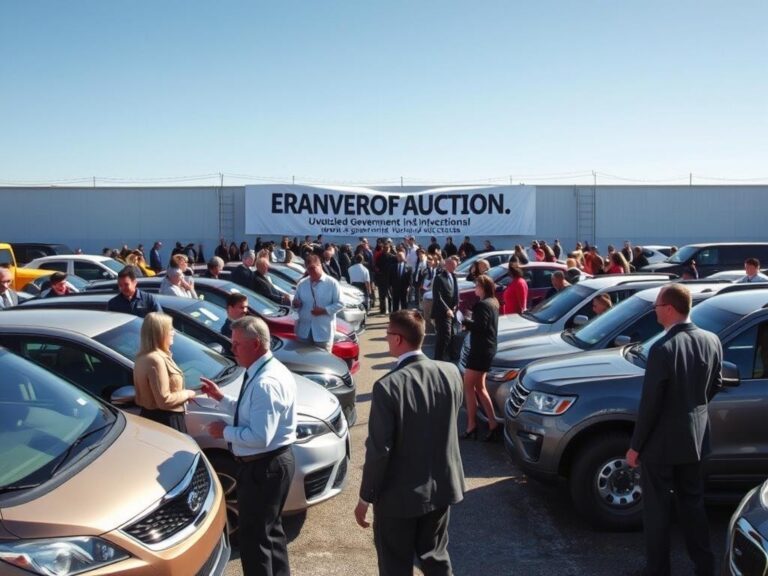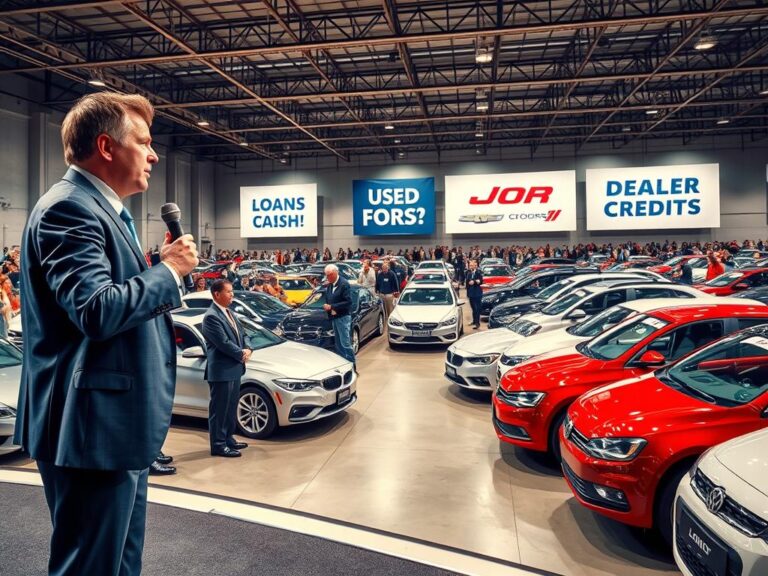

You’ve likely heard about wholesale auto auctions, but do you know how they work and how you can benefit from them? Wholesale auto auctions are a significant marketplace for buying and selling vehicles, offering a wide range of cars, trucks, and other automobiles at competitive prices.
These auctions are not just limited to dealerships; they are also open to the public, allowing individuals to purchase vehicles at discounted prices. To participate, you’ll need to understand the auction requirements, be aware of the auction costs, and know how to maximize your profit margins.
In this article, we’ll guide you through the process, providing valuable insights into the world of wholesale auto auctions.
Key Takeaways
- Understanding the basics of wholesale auto auctions and their benefits.
- Learning the requirements to participate in public auto auctions.
- Knowing the costs associated with buying at wholesale auto auctions.
- Strategies to maximize profit margins when reselling vehicles.
- Insights into the overall process and what to expect.
Understanding Wholesale Auto Auctions
If you’re looking to purchase a vehicle at a wholesale price, understanding how wholesale auto auctions work is crucial. Wholesale auto auctions serve as a platform where various vehicles are sold to the highest bidder, often at significantly lower prices than traditional retail.
What Are Wholesale Auto Auctions?
Wholesale auto auctions are events or online platforms where vehicles are sold to dealers, wholesalers, and sometimes the general public. These auctions feature a wide range of vehicles, including trade-ins, repossessions, and fleet vehicles. The vehicles are typically sold as-is, and the auctions are known for their fast-paced and competitive environment.
Types of Vehicles Available at Wholesale Auctions
The inventory at wholesale auto auctions can vary widely, including used cars, trucks, SUVs, luxury vehicles, and even salvage titles. You can find vehicles from various sources, such as rental companies, government agencies, and financial institutions. This diversity means you can discover both everyday commuter vehicles and rare or high-performance cars.
Difference Between Dealer-Only and Public Auctions
One key distinction in wholesale auto auctions is between dealer-only and public auctions. Dealer-only auctions are restricted to licensed dealerships, while public auctions are open to anyone, including individual buyers. Public auctions provide an opportunity for non-dealers to participate and potentially save money on vehicle purchases. However, it’s essential to understand the rules and requirements for each type of auction before participating.
Accessing Wholesale Auto Auctions Open to Public
Accessing wholesale auto auctions requires knowledge of the auction process and the companies involved. As a potential buyer, understanding these elements is crucial for successful participation.
The Auction Process Explained
The auction process typically involves registration, inspection of available vehicles, and bidding. It’s essential to familiarize yourself with the auction rules and procedures to avoid any surprises during the bidding process.
Most auctions provide a detailed condition report for each vehicle, which can help you make an informed decision. Pay close attention to these reports to understand the vehicle’s condition and potential repair costs.
Online vs. In-Person Wholesale Auctions
Wholesale auto auctions can be conducted both online and in-person. Online auctions offer the convenience of bidding from anywhere, while in-person auctions allow for a more hands-on inspection of vehicles.
- Online Auctions: Wider reach, convenience, and often lower fees.
- In-Person Auctions: Ability to inspect vehicles physically, potentially more accurate condition assessment.
Major Public Wholesale Auto Auction Companies
Several major companies facilitate public wholesale auto auctions. These include:
Manheim Public Auctions
Manheim is one of the largest wholesale auto auction companies, offering a wide range of vehicles.
ADESA Public Sales
ADESA provides both online and in-person auction options, catering to a broad customer base.
Copart and IAA Options
Copart and IAA are known for their salvage and used vehicle auctions, offering a diverse inventory.
When choosing an auction company, consider factors like fees, vehicle selection, and customer support. Researching these companies can help you find the best fit for your needs.
Legal Requirements for Participating in Wholesale Auctions
Before you can start bidding at wholesale auto auctions, you need to understand the legal requirements that govern participation. Wholesale auto auctions are subject to various regulations that can vary significantly by state, making it essential to familiarize yourself with the specific laws in your area.
Dealer License Requirements by State
One of the primary legal requirements for participating in wholesale auto auctions is obtaining a dealer license. The specifics of dealer license requirements vary by state, with some states having more stringent requirements than others. For instance, some states may require a background check, a surety bond, or completion of a training program. You should check with your state’s Department of Motor Vehicles (DMV) to understand the exact requirements.
Alternatives to Getting a Dealer License
If obtaining a dealer license is not feasible or desirable, there are alternatives. Some auctions allow non-dealers to participate, either as a guest bidder or through a licensed dealer’s proxy. However, these alternatives often come with their own set of rules and restrictions. It’s crucial to understand these alternatives and their implications before deciding on the best course of action.
Registration and Documentation Needed
Regardless of whether you have a dealer license, you’ll need to register with the auction house and provide necessary documentation. This typically includes:
- Proof of Identity and Residency: You’ll need to provide a valid government-issued ID and proof of residency.
- Business Documentation: If you’re operating as a business, you’ll need to provide business registration documents and possibly a tax ID number.
Ensuring you have all the required documentation ready will streamline the registration process and allow you to focus on bidding.
Financial Requirements and Initial Investment
Before diving into wholesale auto auctions, it’s essential to grasp the financial requirements and initial investments needed. Participating in these auctions can be a lucrative business, but it requires a solid understanding of the financial commitments involved.
Deposit and Payment Methods
When participating in a wholesale auto auction, you’ll typically be required to pay a deposit on the vehicle you’ve won. This deposit is usually a percentage of the purchase price and can vary depending on the auction house. Common payment methods accepted include wire transfers, credit cards, and sometimes financing through the auction house or third-party lenders.
Key considerations for deposits and payments:
- Understand the deposit amount required by the auction house.
- Know the accepted payment methods and any associated fees.
- Plan for the balance payment after the deposit.
Financing Options for Auction Purchases
Financing options are available for buyers looking to purchase vehicles at wholesale auto auctions. Some auction houses offer in-house financing, while others may have partnerships with third-party lenders. It’s crucial to explore these options and understand the terms and conditions, including interest rates and repayment schedules.
Consider the following when exploring financing options:
- Compare rates and terms from different lenders.
- Understand any fees associated with the financing.
- Plan your budget to accommodate loan repayments.
Building Your Auction Budget
Creating a budget for your auction purchases is vital. This involves not only the purchase price of the vehicles but also additional costs such as buyer’s fees, transportation, and any repairs needed to resell the vehicle.
Starting Capital Recommendations
For those new to wholesale auto auctions, having sufficient starting capital is crucial. It’s recommended to start with a capital that can cover not just the purchase of vehicles but also the associated costs. A general rule of thumb is to have at least $10,000 to $20,000 in starting capital to begin with, though this can vary based on the scale of your operations and the types of vehicles you’re targeting.
By carefully planning your financial requirements and initial investment, you can navigate the world of wholesale auto auctions more effectively and set yourself up for success.
Complete Cost Breakdown of Wholesale Auto Auctions
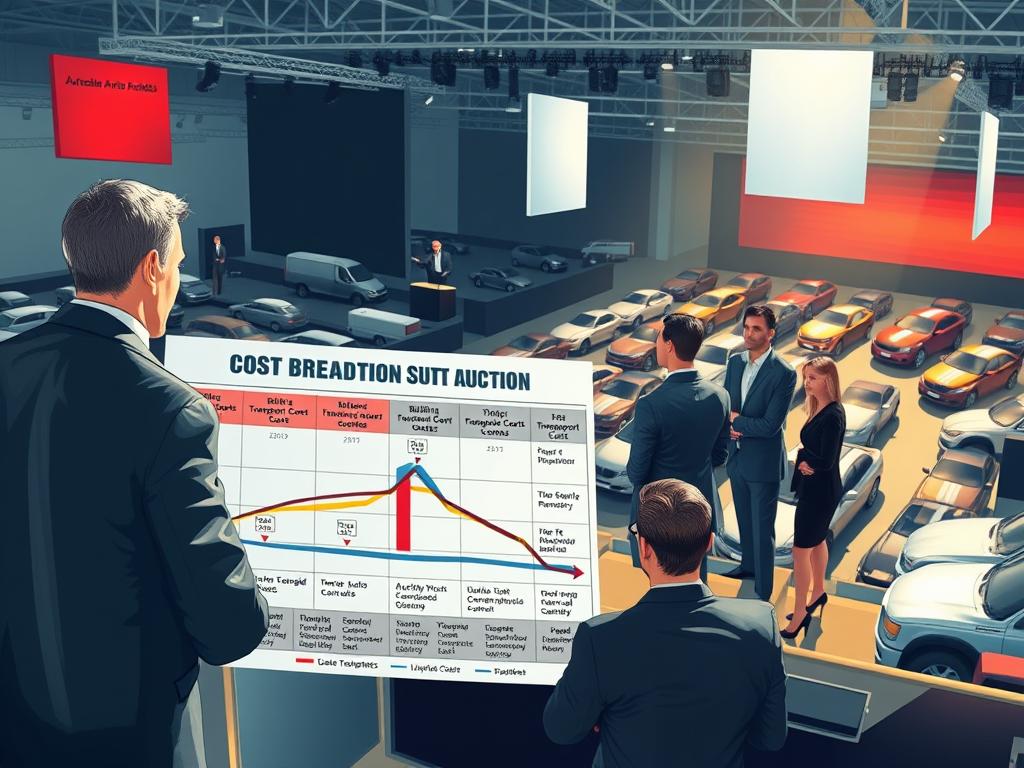
To make a profit from buying at wholesale auto auctions, you need to understand all the associated costs. While the purchase price is the most obvious expense, there are several other fees and charges that can add up quickly.
Buyer’s Fees and Premiums
One of the primary additional costs is the buyer’s fee, which is a percentage of the purchase price. This fee varies by auction house but typically ranges from 5% to 10%. For example, if you buy a car for $10,000, you might pay an additional $500 to $1,000 as a buyer’s fee. Some auctions also charge a premium for services like vehicle inspections or guaranteed titles.
Transportation and Logistics Costs
After purchasing a vehicle, you’ll need to consider the cost of getting it from the auction site to your location. This can involve hiring a transport company, which can charge anywhere from a few hundred to several thousand dollars, depending on the distance and type of vehicle. You should also factor in the cost of insurance during transport.
Reconditioning and Repair Expenses
Vehicles sold at wholesale auctions are often sold “as-is,” meaning they may require repairs or reconditioning before they can be resold. You should budget for potential repairs, including parts and labor. The cost can vary widely depending on the vehicle’s condition and the necessary work.
Hidden Costs to Watch For
Beyond the obvious costs, there are several potential hidden expenses to be aware of. These can include:
- Post-Sale Inspection Surprises: Even if you’ve inspected the vehicle before buying, you might discover issues after the sale. Understanding the auction’s inspection policies and potential post-sale recourse is crucial.
- Title Transfer Fees: The cost of transferring the vehicle’s title into your name can vary by state and locality. This is an essential cost to factor into your overall expenses.
By understanding these various costs, you can better calculate your total investment and make more informed decisions when bidding at wholesale auto auctions.
Finding and Evaluating Vehicles at Wholesale Auctions
Wholesale auto auctions can be a treasure trove for buyers who know how to evaluate vehicles effectively. To make the most of these auctions, you need to be well-prepared with the right strategies.
Pre-Auction Research Strategies
Before the auction, research the vehicles you’re interested in. Check their market value, history reports, and any common issues. This will help you make informed decisions during the bidding process.
- Check the vehicle’s history using services like Carfax or AutoCheck.
- Compare prices on similar vehicles to determine a fair market value.
- Look up common problems associated with the vehicle’s make and model.
Vehicle Inspection Techniques
Inspecting the vehicle is crucial. Look for signs of wear, damage, or needed repairs. Check the tires, brakes, and suspension for any signs of excessive wear.
Red Flags to Watch For
Be aware of potential red flags, such as frame damage or mechanical issues. Knowing what to look for can save you from costly surprises down the road.
Frame Damage Indicators
- Check for uneven gaps between body panels.
- Look for signs of recent painting or repairs.
Mechanical Issues Worth Avoiding
- Listen for unusual noises when starting the engine or accelerating.
- Check for any error messages on the dashboard.
By following these strategies, you can effectively find and evaluate vehicles at wholesale auctions, making informed decisions that will help you achieve your goals.
Bidding Strategies for Maximum Profit
To maximize your profits in wholesale auto auctions, it’s crucial to develop a solid bidding strategy. Effective bidding is not just about winning an auction; it’s about doing so while maintaining a profitable purchase price.
Setting Your Maximum Bid Price
Before you start bidding, you need to determine the maximum amount you’re willing to pay for a vehicle. This involves researching the market value of the car, considering its condition, and factoring in any additional costs such as repairs or transportation. Your maximum bid should be based on a thorough analysis to ensure you don’t overpay.
Timing Your Bids Effectively
The timing of your bids can significantly impact the outcome. Waiting until the last moment to bid can sometimes work in your favor, as it may catch other bidders off guard. However, this strategy requires a good understanding of the auction’s dynamics and the other bidders’ behaviors.
Avoiding Bidding Wars and Emotional Purchases
It’s easy to get caught up in the excitement of bidding, but this can lead to overpaying for a vehicle. To avoid this, stick to your predetermined maximum bid price. Using proxy bidding systems can also help, as it allows you to set your maximum bid and lets the system bid on your behalf up to that amount.
Using Proxy Bidding Systems
Proxy bidding systems are a valuable tool for managing your bids effectively. By setting your maximum bid, you can participate in auctions without constantly monitoring them. This not only saves time but also helps in avoiding the emotional stress of live bidding.
When to Walk Away
Knowing when to walk away from an auction is just as important as knowing when to bid. If the bidding exceeds your maximum bid price or if you sense that the auction is becoming too competitive, it may be wise to withdraw and look for other opportunities. Patience is key in wholesale auto auctions.
Calculating Potential Profit Margins in Auto Auctions
To maximize your returns, it’s essential to calculate potential profit margins accurately. Understanding the factors that influence profit margins can help you make informed decisions when buying at wholesale auto auctions.
Average Markup Percentages by Vehicle Type
Different types of vehicles have varying average markup percentages. For instance, economy cars typically have lower markup percentages compared to luxury vehicles. Here are some average markup percentages by vehicle type:
- Economy Cars: 10%-15%
- Luxury Cars: 20%-30%
- Trucks and SUVs: 15%-25%
Factoring in All Expenses
To calculate your potential profit margin, you need to factor in all expenses associated with buying and selling a vehicle. These include:
- Purchase price
- Buyer’s fees
- Transportation costs
- Reconditioning and repair expenses
Realistic Profit Expectations for Beginners
As a beginner, it’s crucial to have realistic profit expectations. Initial profits may be lower due to lack of experience and higher costs associated with learning. Aim for a conservative profit margin to start with.
Profit Calculation Examples
Let’s consider two examples to illustrate how to calculate profit margins:
Economy Car Profit Model
Purchase Price: $5,000; Selling Price: $6,000; Expenses: $500; Profit Margin: (($6,000 – $5,000 – $500) / $5,000) * 100 = 10%
Luxury Vehicle Profit Model
Purchase Price: $20,000; Selling Price: $28,000; Expenses: $2,000; Profit Margin: (($28,000 – $20,000 – $2,000) / $20,000) * 100 = 30%
By understanding and applying these calculations, you can better navigate the wholesale auto auction market and improve your profit margins.
Scaling Your Wholesale Auto Auction Business
To take your wholesale auto auction business to the next level, consider implementing strategies that promote growth and efficiency. As you expand, you’ll need to adapt your approach to manage increased inventory, negotiate better deals, and maintain profitability.
From Occasional Buyer to Full-Time Dealer
Transitioning from an occasional buyer to a full-time dealer requires a significant shift in mindset and operations. You’ll need to develop a business plan, secure additional financing, and potentially hire staff to help manage the increased workload. This transition also involves building a robust inventory management system to track vehicles and ensure timely sales.
Building Relationships with Auction Houses
Establishing strong relationships with auction houses is crucial for accessing better inventory and securing favorable terms. Regularly attending auctions, being a reliable buyer, and maintaining open communication can help build trust with auction house staff. This can lead to preferential treatment and access to more desirable vehicles.
Expanding Your Market Reach
To scale your business, you must expand your market reach. This involves exploring new sales channels and marketing strategies. Consider the following:
- Utilizing online platforms to reach a broader audience
- Implementing targeted local marketing campaigns
- Leveraging social media to promote your inventory
Online Sales Channels
Online sales channels offer a vast potential for growth. Platforms like eBay Motors, Craigslist, and specialized car sales websites can help you reach buyers beyond your local area. Ensure that your online listings are detailed and include high-quality photos to attract more buyers.
Local Marketing Strategies
Local marketing remains essential, especially for building a loyal customer base. Strategies include hosting events, partnering with local businesses, and using targeted advertising to reach potential buyers in your area.
By implementing these strategies, you can effectively scale your wholesale auto auction business and achieve greater profitability.
Conclusion: Is Buying from Wholesale Auto Auctions Right for You?
As you’ve explored the world of wholesale auto auctions, you’ve likely discovered the potential benefits and challenges that come with buying vehicles at discounted prices. To determine if this venture is right for you, consider your financial goals, risk tolerance, and willingness to invest time in research and vehicle inspection.
Wholesale auto auctions can be a lucrative opportunity for those who understand the process, are aware of the costs involved, and can effectively manage their budget. By following the strategies outlined in this article, you can make informed decisions and potentially earn significant profits.
Ultimately, the suitability of wholesale auto auctions for you depends on your individual circumstances and ability to navigate the auction process. With careful planning and a thorough understanding of the market, you can capitalize on the benefits that wholesale auto auctions have to offer.
FAQ
What are wholesale auto auctions, and how do they work?
Do I need a dealer’s license to participate in wholesale auto auctions?
What are the benefits of buying at wholesale auto auctions?
How do I finance my purchase at a wholesale auto auction?
What are the costs associated with buying at wholesale auto auctions?
How do I inspect vehicles before bidding at a wholesale auto auction?
What are some effective bidding strategies for wholesale auto auctions?
How do I calculate my potential profit margin when buying at wholesale auto auctions?
Can I sell vehicles online if I buy them at wholesale auto auctions?
How do I scale my wholesale auto auction business?
What are some common mistakes to avoid when buying at wholesale auto auctions?
Sobre o Autor