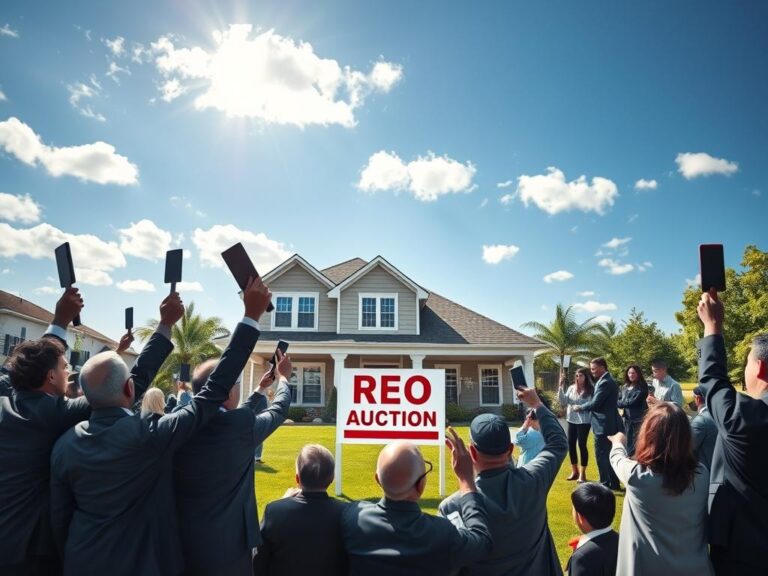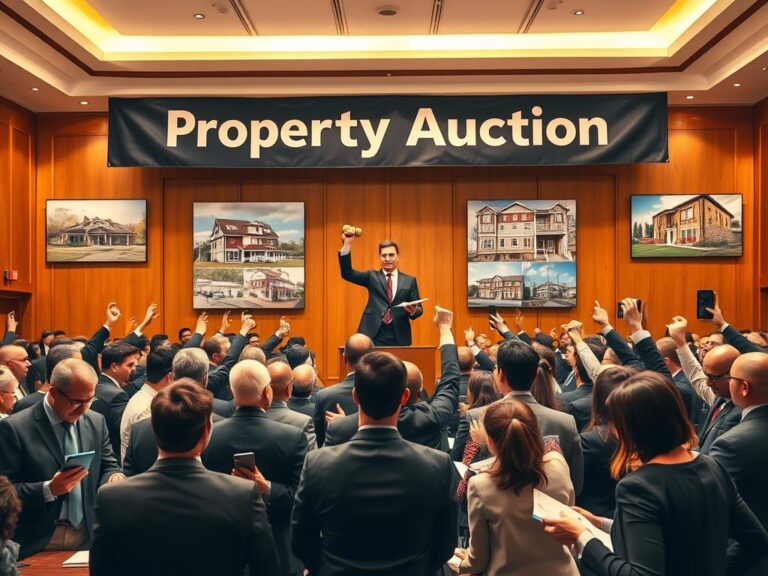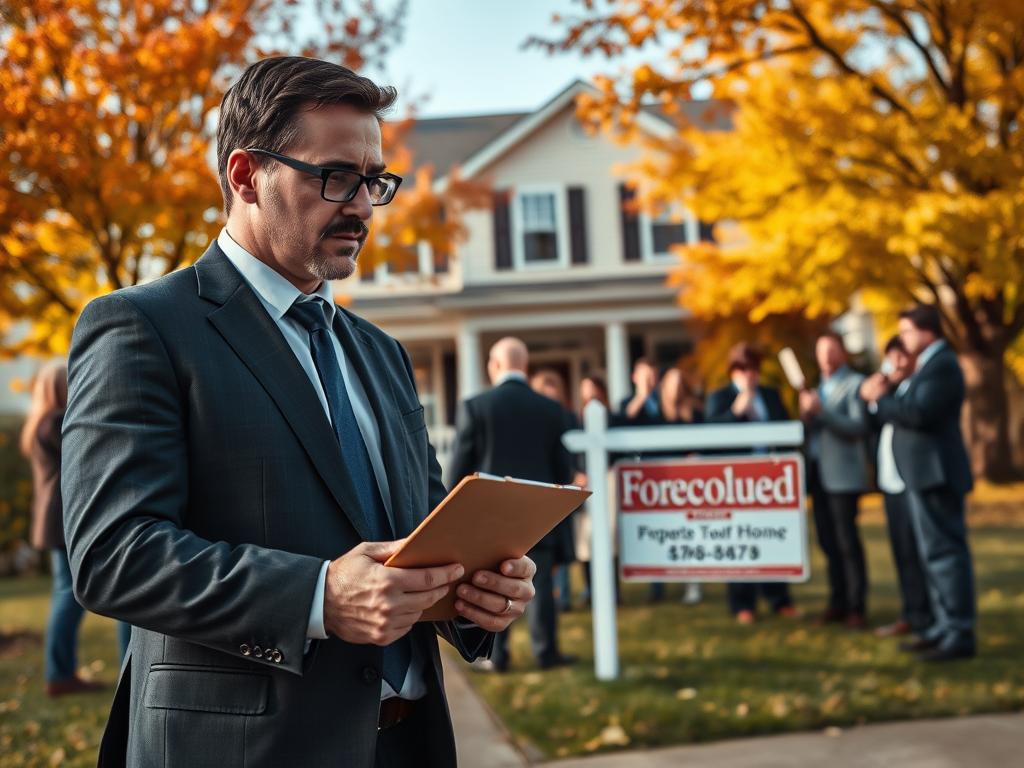

Buying foreclosed homes can be a cost-effective way to enter the real estate market, but it requires careful navigation of the legal and financial aspects. You need to understand the auction process and be aware of potential pitfalls to avoid costly mistakes.
To successfully purchase a foreclosed home at auction, you must be well-prepared. This involves researching the property, understanding the legal requirements, and having the necessary financial resources in place. By being informed and cautious, you can minimize risks and maximize your investment.
Key Takeaways
- Understand the foreclosure process and auction procedures.
- Research the property thoroughly to avoid hidden issues.
- Be aware of the legal requirements and potential pitfalls.
- Have the necessary financial resources in place.
- Minimize risks by being informed and cautious.
Understanding Foreclosure Auctions in the United States
To navigate foreclosure auctions successfully, you need to grasp the fundamental concepts and procedures. Foreclosure auctions are a complex process, involving legal and financial mechanisms that can be challenging to understand.
Types of Foreclosure Auctions: Judicial vs. Non-Judicial
Foreclosure auctions can be categorized into two main types: judicial and non-judicial. Judicial foreclosure requires court approval, involving a legal process that can be lengthy and costly. In contrast, non-judicial foreclosure follows state laws that allow lenders to foreclose without court involvement, making it generally faster and less expensive.
As noted by a legal expert, “The choice between judicial and non-judicial foreclosure significantly impacts the foreclosure process’s duration and complexity.” Understanding these differences is crucial for investors to navigate the foreclosure market effectively.
The Complete Foreclosure Timeline
The foreclosure timeline varies significantly depending on the state and type of foreclosure. Typically, it can range from a few months to over a year. Key milestones include the notice of default, auction date, and the redemption period.
Key Participants: Banks, Trustees, and Investors
Several key participants are involved in foreclosure auctions. Banks or lenders initiate the foreclosure process, while trustees hold the property title until the loan is paid off or foreclosed. Investors, like you, participate in the auction, bidding on the properties.
As an investor, understanding the roles of these participants is vital. “Banks and lenders are primarily concerned with recovering their investment, while investors seek to purchase properties at favorable prices,” notes a financial analyst.
Benefits and Risks of Purchasing Foreclosed Properties
Purchasing foreclosed properties can be a lucrative investment opportunity, but it’s crucial to understand the associated benefits and risks. Foreclosed properties are sold at discounted prices, offering significant savings and potential for equity opportunities.
Price Advantages and Equity Opportunities
One of the primary benefits of buying foreclosed properties is the potential to purchase a property at a significantly lower price than its market value. This can result in immediate equity, as the property’s value remains unchanged while the purchase price is lower.
Investment and Renovation Potential
Foreclosed properties often require renovation, presenting an opportunity for investors to add value through repairs and improvements. This can lead to substantial returns on investment if done correctly.
Risk Assessment: What Can Go Wrong
However, buying foreclosed properties comes with risks. Unknown property conditions, potential legal issues, and the possibility of hidden liens can complicate the process. It’s essential to conduct thorough research and due diligence to mitigate these risks.
By understanding the benefits and risks, you can make informed decisions when purchasing foreclosed properties.
Essential Preparation Before Your First Auction
Successful foreclosure auction purchasing requires meticulous preparation and research. Before you attend an auction, it’s essential to lay the groundwork to ensure you’re making informed decisions.
Establishing Your Investment Criteria
Start by defining your investment criteria. Consider what type of property you’re looking for, your budget, and your investment goals. Are you looking to flip the property or rent it out? Knowing your criteria will help you focus on the right opportunities.
Researching Local Market Conditions
Understanding local market conditions is crucial. Research the current real estate market trends, including property values, demand, and the competitive landscape. This knowledge will help you make a competitive bid and ensure your investment is sound.
Assembling Your Professional Team
Assembling a team of professionals is vital. This includes a knowledgeable real estate attorney and experienced contractors.
Finding a Knowledgeable Real Estate Attorney
A real estate attorney can guide you through the legal complexities of purchasing a foreclosed property. They can help you understand the auction process, review contracts, and ensure compliance with local regulations.
Connecting with Experienced Contractors
Experienced contractors can provide valuable insights into renovation costs and timelines. They can help you assess the property’s condition and identify potential issues, ensuring you’re prepared for the work ahead.
By establishing clear investment criteria, researching local market conditions, and assembling a professional team, you’ll be well-prepared to navigate the foreclosure auction process successfully.
Financial Preparation for Foreclosure Purchases
Financial preparation is key to successfully purchasing foreclosed properties at auction. To navigate this complex process, you need to understand your financing options, be aware of deposit requirements, and create a comprehensive bidding budget.
Securing Financing: Cash, Hard Money, and Traditional Loans
You have several financing options when buying foreclosed homes at auction. Cash is the most straightforward, but not always feasible. Hard money loans are another option, offering quick access to funds, albeit at higher interest rates. Traditional loans may also be viable, depending on your financial situation and the property’s condition.
Deposit Requirements and Proof of Funds Documentation
Most foreclosure auctions require a significant deposit, often 5-10% of the purchase price. You’ll need to provide proof of funds to demonstrate your ability to complete the purchase. This typically involves obtaining a letter from your bank or financial institution.
Creating a Detailed Bidding Budget with Contingencies
A well-structured bidding budget is crucial to avoid financial pitfalls. This includes:
- Calculating your maximum purchase price
- Estimating renovation costs
- Setting aside reserve funds for unexpected issues
Maximum Purchase Price Calculation
To determine your maximum purchase price, consider the property’s after-repair value, renovation costs, and other expenses. This calculation will help you avoid overbidding.
Reserve Funds for Unexpected Issues
It’s wise to allocate a portion of your budget to cover unexpected expenses, such as hidden property damage or legal issues. This reserve fund will help you navigate unforeseen challenges.
How to Buy Foreclosed Homes at Auction: Step-by-Step Process
The process of buying foreclosed homes at auction involves several key steps that investors must master to be successful. Understanding these steps can help you navigate the complex world of foreclosure auctions with confidence.
Locating and Tracking Upcoming Auctions
To start, you need to locate and track upcoming foreclosure auctions. This involves researching local auction listings, often found on county websites, auction company sites, or through real estate investment networks. Utilizing online resources and local real estate listings can help you stay informed about upcoming auctions.
Pre-Registration Requirements and Deadlines
Many foreclosure auctions require bidders to pre-register before the auction date. This process typically involves providing identification, proof of funds, and sometimes a deposit. It’s crucial to understand the pre-registration deadlines and requirements to ensure you’re eligible to bid.
Auction Day Procedures and Protocols
On the day of the auction, arrive early and be prepared. Understand the auctioneer’s rules and the bidding process. Having a clear understanding of your budget and sticking to it is vital.
Effective Bidding Strategies
Developing an effective bidding strategy is key to winning a foreclosed home at auction. This may involve starting with a low bid and gradually increasing it, or making a bold initial bid to deter other bidders. Knowing the property’s value and having a maximum bid in mind can help you make informed decisions.
Winning Bid Responsibilities
If you win the bid, be prepared to complete the purchase quickly. This typically involves paying a deposit on the day of the auction and settling the remaining balance within a specified timeframe, often 30 days. Understand the terms of the sale and the consequences of defaulting on the purchase.
By following these steps and understanding the intricacies of the foreclosure auction process, you can successfully buy foreclosed homes and potentially secure valuable investment opportunities.
Critical Due Diligence Before Bidding
When buying foreclosed homes at auction, your success hinges on pre-bid due diligence. This crucial step can help you avoid costly mistakes and ensure that your investment is sound.
Due diligence involves several key activities: comprehensive title searches, property inspections, and evaluating property value and repair costs. Each of these steps is vital to making an informed bidding decision.
Comprehensive Title Search Techniques
A thorough title search is essential to uncover any liens, encumbrances, or other issues that could affect your ownership or the property’s value. You should work with a reputable title company to ensure that the search is comprehensive and accurate.
Property Inspection Strategies When Access is Limited
Inspecting a foreclosed property can be challenging, especially if access is limited. However, it’s crucial to assess the property’s condition to estimate repair costs. Consider hiring a professional inspector who can provide a detailed report, even if they can’t access the property directly.

Evaluating Property Value and Repair Costs
To determine if a foreclosed property is a good investment, you need to evaluate its value and potential repair costs. This involves creating an accurate renovation budget and determining the true after-repair value.
Creating Accurate Renovation Budgets
Start by assessing the property’s condition and identifying necessary repairs. Then, get quotes from contractors to create a detailed and realistic budget. Don’t forget to include contingencies for unexpected expenses.
Determining True After-Repair Value
To determine the after-repair value, research comparable properties in the area that have recently sold. This will give you a realistic estimate of what the property could be worth after renovations. Consider consulting with a real estate agent for additional insights.
By conducting thorough due diligence, you can make informed decisions when buying foreclosed homes at auction, minimizing risks and maximizing your potential for a successful investment.
Legal Considerations and Documentation
Navigating the legal aspects of foreclosure auctions can be complex, but it’s essential for avoiding costly mistakes. When purchasing foreclosed homes, understanding the legal landscape is crucial for a successful transaction.
Deciphering Auction Terms and Conditions
Auction terms and conditions vary significantly between different jurisdictions and even between auction houses. It’s vital to carefully review these terms before participating in an auction. Key elements to look for include:
- Payment requirements and deadlines
- Deposit amounts and refund policies
- Closing procedures and timelines
Understanding Redemption Rights by State
Redemption rights allow previous homeowners to reclaim their properties under certain conditions after a foreclosure sale. These rights vary by state, with some allowing redemption periods of up to a year. Researching the specific redemption laws in your state is crucial to understanding the potential risks involved.
Essential Legal Documents for Auction Purchases
Several legal documents are critical when buying foreclosed homes at auction. Ensuring you have the necessary paperwork can prevent delays or legal issues down the line.
Title Insurance Requirements
Title insurance protects buyers from potential title defects or disputes. While not always required, it’s highly recommended to secure title insurance to safeguard your investment.
Transfer and Recording Procedures
Understanding the transfer and recording procedures for the property is essential. This includes knowing the fees associated with recording the deed and any transfer taxes.
By carefully considering these legal aspects and ensuring you have the necessary documentation, you can mitigate risks associated with buying foreclosed homes at auction.
Post-Auction Procedures and Closing
Once you’ve successfully bid on a foreclosed property, it’s time to navigate the post-auction process. This critical phase involves several key steps that must be handled efficiently to secure your purchase.
Meeting Payment Deadlines and Requirements
You must meet the payment deadlines set by the auctioneer. Typically, you’ll need to pay a deposit immediately after the auction, with the balance due within a specified timeframe, often 30 days. Ensure you have the necessary funds available to avoid any penalties.
Navigating the Closing Process
The closing process for a foreclosed home can be complex. It involves finalizing the sale, transferring the title, and completing any other legal requirements. Work closely with your attorney and title company to ensure a smooth transaction.
Handling Occupancy Issues and Eviction Procedures
Occupancy issues can arise if the property is still inhabited by the previous owners or tenants. You’ll need to understand the legal procedures for handling these situations, including eviction notices and potential negotiations.
Legal Requirements for Tenant Notifications
When dealing with occupied properties, it’s crucial to follow the legal requirements for notifying tenants. This includes providing appropriate notice periods and respecting their rights under local laws.
Cash-for-Keys Strategies
In some cases, offering a “cash-for-keys” agreement can be an effective way to encourage occupants to vacate the property voluntarily. This involves negotiating a payment in exchange for them leaving the premises.
Common Legal Mistakes and Prevention Strategies
The process of buying foreclosed homes at auction is fraught with potential legal mistakes that can have costly consequences. To navigate this complex process successfully, you must be aware of the common pitfalls and take proactive steps to avoid them.
Title Issues: Liens, Encumbrances, and Clouds
One of the most significant legal risks in foreclosure auctions is title issues, including undiscovered liens, encumbrances, and title clouds. A thorough title search is essential to identify these potential problems before bidding.
Failure to Verify Property Information
Another critical mistake is failing to verify property information. This includes checking the property’s condition, boundaries, and any outstanding assessments. Due diligence is key to avoiding costly surprises after the purchase.
Overlooking HOA Rules and Special Assessments
Homeowners Association (HOA) rules and special assessments can significantly impact your investment. It’s crucial to understand these factors before bidding.
Conducting Thorough HOA Research
- Review HOA governing documents
- Understand fees and special assessments
- Investigate any ongoing litigation
Understanding Covenant Restrictions
Covenants, Conditions & Restrictions (CC&Rs) can limit your ability to renovate or use the property as intended. Ensure you review these documents carefully to avoid potential legal issues.
By being aware of these common legal mistakes and taking steps to prevent them, you can more safely navigate the foreclosure auction process and protect your investment.
Financial Pitfalls and How to Avoid Them
To succeed in buying foreclosed homes, you need to understand the common financial pitfalls and take steps to avoid them. Financial pitfalls can be significant when purchasing foreclosed properties, and being aware of these risks is crucial for a successful investment.
Accurate Repair Cost Estimation Techniques
One of the major financial pitfalls is underestimating repair costs. To avoid this, it’s essential to conduct a thorough inspection of the property and estimate repair costs accurately. You can hire professionals to assess the property’s condition and provide detailed reports.
Liquidity Planning for Fast Closings
Liquidity planning is critical when buying foreclosed homes at auction. You need to have sufficient funds available for the down payment and closing costs. Plan your finances carefully to avoid last-minute scrambles.
Calculating Holding Costs, Taxes, and Insurance
Holding costs, including taxes and insurance, can add up quickly. It’s vital to factor these costs into your overall budget.
Property Tax Assessment Review
Review the property tax assessment to understand your potential tax liabilities.
Insurance Requirements for Vacant Properties
Vacant properties often require special insurance coverage. Ensure you understand these requirements to avoid any surprises.
Real-World Success Stories and Lessons Learned
Many investors have found success in foreclosure auctions, but it’s crucial to learn from their experiences. By examining real-world case studies and the lessons derived from them, you can better navigate the complexities of buying foreclosed homes at auction.
First-Time Investor Success
A first-time investor purchased a foreclosed property at auction by conducting thorough research and securing financing in advance. Key steps included:
- Researching the property’s history and market value
- Inspecting the property for potential repairs
- Bidding strategically to stay within budget
This strategic approach resulted in a significant return on investment after renovation and resale.
Recovering from Auction Mistakes
Even experienced investors encounter setbacks. One investor learned from an initial mistake by:
- Re-evaluating their bidding strategy
- Improving their due diligence process
- Enhancing their financial planning for future auctions
By adapting to challenges, this investor achieved long-term success in foreclosure auctions.
Key Takeaways from Experienced Auction Buyers
Experienced auction buyers emphasize the importance of:
- Patience and persistence in finding the right property
- Continuous learning from each auction experience
- Building a reliable team of professionals, including lawyers and contractors
By heeding these lessons, you can improve your chances of success in foreclosure auctions.
Conclusion: Building Long-Term Success with Foreclosure Auctions
As you’ve learned throughout this article, buying foreclosed homes at auction can be a lucrative investment strategy when done correctly. By understanding the foreclosure process, preparing financially, and executing a well-planned bidding strategy, you can achieve long-term success with foreclosure auctions.
Careful planning and due diligence are crucial to avoiding common pitfalls and ensuring a profitable investment. This includes researching local market conditions, assembling a professional team, and securing the necessary financing.
By following the steps outlined in this article and maintaining a disciplined investment strategy, you can build a successful portfolio of foreclosed properties and achieve your long-term financial goals.
To maximize your returns, it’s essential to stay focused on your investment strategy and continually adapt to changing market conditions. With persistence and the right guidance, you can unlock the full potential of foreclosure auctions and enjoy long-term success.
FAQ
What is the difference between judicial and non-judicial foreclosure auctions?
How do I research local market conditions before buying a foreclosed home at auction?
What are the typical financing options available for buying foreclosed homes at auction?
What is a comprehensive title search, and why is it crucial before bidding on a foreclosed home?
How do I evaluate the property value and repair costs of a foreclosed home?
What are redemption rights, and how do they impact buying foreclosed homes at auction?
What are the common legal mistakes buyers make when purchasing foreclosed homes, and how can they be prevented?
How do I avoid financial pitfalls when buying foreclosed homes at auction?
What are the key steps to follow after winning a foreclosed home at auction?
How can I ensure a successful experience buying foreclosed homes at auction?
Sobre o Autor