
You are likely familiar with the challenges of acquiring the right agricultural equipment for your farm. The process can be daunting, involving significant financial investments and a deep understanding of the machinery’s capabilities and market value.
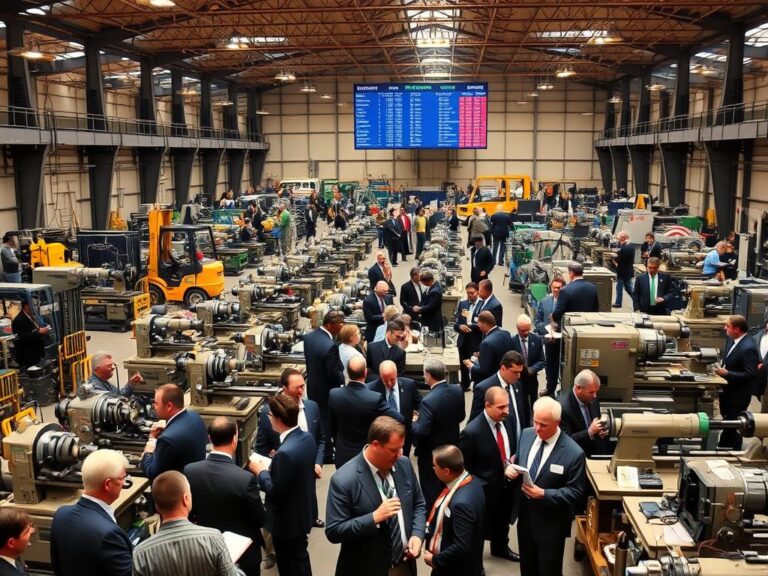
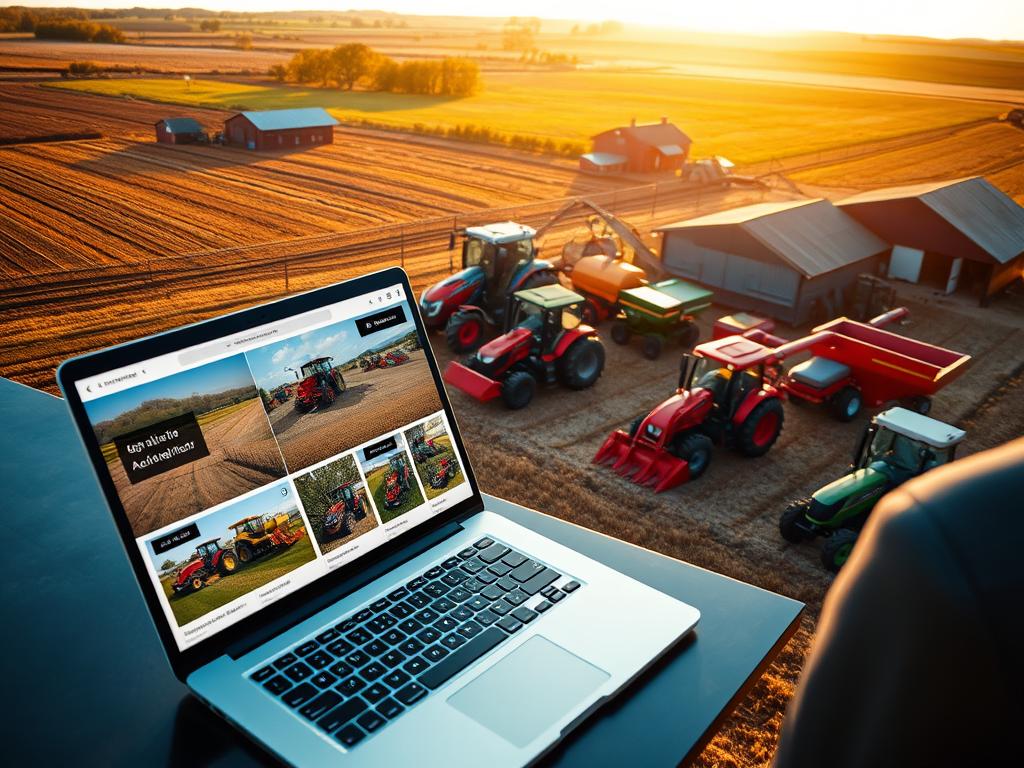
The rise of online farm equipment auctions has revolutionized the way farmers like you purchase tractors and harvesters. These digital platforms provide a convenient, competitive, and transparent way to browse and buy the equipment you need.
By leveraging online auctions, you can compare prices, assess the condition of the equipment, and make informed decisions. Moreover, conducting an ROI analysis for farm equipment helps you understand the potential return on investment, ensuring that your purchases align with your farm’s financial goals.
Key Takeaways
- Online farm equipment auctions offer a convenient platform for purchasing tractors and harvesters.
- These auctions provide competitive pricing and transparency.
- Conducting ROI analysis is crucial for making informed investment decisions.
- Digital platforms simplify the process of acquiring agricultural equipment.
- Farmers can compare prices and assess equipment condition before buying.
The Growing Trend of Online Farm Equipment Marketplaces
Farmers are increasingly turning to online marketplaces to buy and sell farm equipment, driven by the promise of better prices and greater convenience. This shift is transforming the agricultural industry, making it easier for farmers to access a wide range of machinery.
Why Farmers Are Turning to Digital Auctions
Digital auctions for farm equipment offer numerous benefits, including competitive pricing and a wide selection of machinery. Over 70% of farm equipment auctions in 2025 are expected to use online comparison platforms for price transparency, making it easier for farmers to make informed decisions.
Farmers are drawn to online auctions because they provide an avenue to acquire equipment at prices typically lower compared to new alternatives. This is particularly beneficial for small and medium-scale farms where capital is limited.
The Evolution of Agricultural Equipment Sales
The agricultural equipment sales landscape is evolving, with online marketplaces playing an increasingly significant role in agricultural equipment sales trends. As technology advances, farmers are becoming more comfortable with online transactions, driving growth in online farm equipment marketplaces.
This shift is not only changing how farmers buy equipment but also how they sell it, creating a more dynamic and accessible market for all parties involved.
Understanding the Types of Agricultural Equipment Available at Auctions
When exploring online farm equipment auctions, you’ll discover a diverse range of machinery to suit various agricultural needs. The types of equipment available can vary greatly, depending on the auction platform and the sellers participating in the auction.
You can find a wide variety of used farm machinery, including tractors, harvesting equipment, planting and seeding machines, tillage equipment, hay and forage machinery, sprayers, and grain handling systems. This broad range of equipment caters to different farming operations, from small-scale farms to large agricultural businesses.
Tractors: From Compact to Heavy-Duty Models
Tractors are a fundamental piece of equipment in farming, and online auctions offer a range of models. You can find compact tractors suitable for small farms or landscaping tasks, as well as heavy-duty tractors designed for large-scale farming operations. The variety includes different horsepower ratings, transmission types, and attachments, allowing you to find a tractor that matches your specific needs.
Harvesting Equipment: Combines, Threshers, and Balers
Harvesting equipment is crucial for efficient crop gathering. At online auctions, you can find various types of harvesting machinery, including combines that can handle multiple crops, threshers for separating grains, and balers for hay or straw. These machines come in different sizes and configurations, enabling you to select the right equipment for your harvesting needs.
Specialized Equipment and Implements
Beyond tractors and harvesting equipment, online auctions feature a range of specialized farm equipment and implements. This includes planting and seeding machines, tillage equipment for soil preparation, and irrigation systems. You can also find hay and forage machinery, such as mowers and rakes, as well as grain handling systems for efficient storage and transportation.
As emphasized by industry experts, “The right equipment can significantly impact farm productivity and efficiency.” With the diverse range of agricultural equipment available at online auctions, you can find the machinery that best suits your farming operations and enhances your overall productivity.
Finding Agricultural Equipment Auctions Online: Top Platforms and Resources
Online agricultural equipment auctions are revolutionizing the way businesses and farmers procure the machinery they need. With numerous platforms available, you can now easily find and participate in auctions from the comfort of your farm or office.
Major Dedicated Agricultural Auction Websites
Several prominent websites specialize in agricultural equipment auctions. Notable platforms include Ritchie Bros. Auctioneers, IronPlanet, Machinery Pete, and Proxibid. These sites offer a wide range of equipment, from tractors and harvesters to specialized farming implements. They often feature detailed listings with photos, condition reports, and sometimes even videos of the equipment.
You can browse through these platforms to find equipment that suits your needs, compare prices, and even participate in auctions remotely. Many of these sites also provide additional resources such as market insights and equipment guides to help you make informed decisions.
General Auction Sites with Farm Equipment Categories
Beyond dedicated agricultural auction sites, general auction platforms also list farm equipment. Websites like eBay and BigIron have extensive farm equipment categories. While they may not specialize in agricultural equipment, they can still be valuable resources for finding specific items or comparing prices across different platforms.
When using general auction sites, be sure to carefully review the listings and seller information. Some platforms may offer buyer protection programs, which can be beneficial when purchasing high-value equipment.
Manufacturer and Dealer-Specific Auction Events
Some agricultural equipment manufacturers and dealerships host their own online auctions. These events can be a great way to find specific models or equipment directly from the source. For example, John Deere and other major manufacturers occasionally hold online auctions for their equipment.
These manufacturer-specific auctions can offer advantages such as certified pre-owned equipment, warranties, and detailed service histories. Keep an eye on the websites of major agricultural equipment manufacturers and dealers to stay informed about upcoming auction events.
By exploring these various online platforms and resources, you can efficiently locate the agricultural equipment you need and participate in auctions that fit your budget and requirements.
Preparing for Your First Online Equipment Auction
Getting ready for your first online equipment auction requires a strategic approach to maximize your chances of success. As a beginner, it’s essential to understand the auction process, set a realistic budget, and research the market value of the equipment you’re interested in.
Creating Accounts and Verifying Your Identity
To participate in online equipment auctions, you need to create an account on the auction platform. This typically involves providing personal and contact information, as well as verifying your identity. Ensure you have all necessary documents ready to complete the verification process smoothly.
Setting Your Budget and Bidding Strategy
Before bidding, it’s crucial to determine your maximum bid price and set a bidding strategy. This involves considering additional fees and costs associated with the purchase.
Determining Your Maximum Bid Price
To determine your maximum bid price, consider the equipment’s market value, your budget, and any additional costs. Be realistic about your financial limits to avoid getting caught up in bidding wars.
Accounting for Additional Fees and Costs
Additional fees and costs can include buyer’s premiums, taxes, and transportation costs. Factor these into your budget to avoid surprises.
Researching Market Values of Target Equipment
Researching market values helps you make informed bidding decisions. Use resources like industry reports, online marketplaces, and auction results to determine the fair market value of the equipment.
“Understanding the market value of the equipment you’re bidding on is key to making a successful purchase.” – Industry Expert
- Check industry reports for pricing trends
- Use online marketplaces to compare prices
- Review past auction results for similar equipment
How to Evaluate Tractors and Harvesters Before Bidding
Before placing a bid on tractors or harvesters at an online auction, it’s crucial to thoroughly evaluate the equipment. This process involves reviewing detailed descriptions, inspecting available photos, and assessing the equipment’s condition and history.
Decoding Equipment Specifications and Condition Reports
Understanding the specifications and condition reports of tractors and harvesters is vital. These reports typically include details about the equipment’s age, usage, and any repairs or maintenance performed.
Understanding Hour Meters and Usage Indicators
Hour meters and usage indicators provide insight into how much the equipment has been used. A lower hour reading generally indicates less wear and tear, but it’s also important to consider how the equipment was maintained.
Assessing Maintenance Records and Service History
Reviewing maintenance records and service history can reveal whether the equipment has been properly cared for. Look for regular maintenance entries and any major repairs.
Red Flags to Watch For in Equipment Listings
When evaluating equipment listings, be aware of potential red flags. These can include high hour meters, signs of excessive wear, or missing maintenance records. Being cautious of these indicators can help you avoid purchasing problematic equipment.
- High hour readings without corresponding maintenance records
- Visible signs of neglect or excessive wear
- Missing or incomplete service history
Questions to Ask Sellers Before Placing a Bid
Before bidding, it’s essential to ask the seller questions about the equipment. Inquire about its condition, any issues, and the reason for sale. This information can help you make a more informed decision.
- What is the overall condition of the equipment?
- Are there any known issues or defects?
- Can you provide additional photos or inspection reports?
By carefully evaluating tractors and harvesters before bidding and being aware of potential red flags, you can make a more informed investment decision.
Bidding Strategies for Agricultural Equipment Auctions Online
Agricultural equipment auctions online can be highly competitive, making it vital to have a well-thought-out bidding strategy. To ensure you’re getting the best value for your investment, you need to approach bidding with a clear plan. This involves understanding the auction process, knowing your budget, and being aware of the market trends.
Timing Your Bids Effectively
Timing is crucial in online auctions. Bidding too early can drive up the price unnecessarily, while bidding too late might result in missing out on the equipment you need. It’s essential to monitor the auction’s progress and time your bids strategically. Consider using proxy bidding to automate the process and avoid last-minute bidding wars.
Setting Maximum Bids and Using Proxy Bidding
Setting a maximum bid helps you stick to your budget while competing effectively. Proxy bidding allows you to enter your maximum bid, and the system automatically bids on your behalf up to that amount. This strategy helps in avoiding emotional bidding and keeps you within your budget. It’s also a good practice to research the market value of the equipment you’re interested in to make informed decisions.
When to Walk Away: Avoiding Bidding Wars
Knowing when to walk away is as important as knowing when to bid. Avoid getting caught up in bidding wars that can drive the price beyond the equipment’s worth. Stick to your budget and be prepared to walk away if the bidding exceeds your maximum bid. This disciplined approach ensures you don’t overspend and helps maintain a healthy financial outlook for your agricultural operations.
By employing these bidding strategies, you can navigate agricultural equipment auctions online more effectively, ensuring you secure the equipment you need at a fair price.
Conducting a Thorough ROI Analysis for Auction Purchases
To maximize your investment in agricultural equipment, it’s essential to perform a comprehensive ROI analysis. This process involves evaluating various factors to determine whether a particular piece of equipment will provide a satisfactory return on your investment.
Calculating Total Cost of Ownership
Calculating the total cost of ownership is a critical step in ROI analysis. This includes several key components:
Purchase Price Plus Auction Fees
The initial cost of the equipment is just the beginning. You must also factor in auction fees, which can vary depending on the platform and the seller.
Transportation and Setup Costs
After purchasing equipment, you’ll need to consider the costs associated with transporting it to your farm and setting it up for use. These costs can be significant, especially for large or complex machinery.
Maintenance and Operational Expenses
Ongoing maintenance and operational expenses, such as fuel, repairs, and replacement parts, should also be included in your total cost of ownership calculations.
Estimating Productivity Gains and Revenue Increases
To justify the investment in new equipment, you need to estimate the potential productivity gains and revenue increases it can bring. This involves:
Labor Savings Calculations
New equipment can often automate or streamline tasks, reducing the need for manual labor. Calculate the potential labor savings by comparing your current labor costs with the expected costs after implementing the new equipment.
Yield Improvement Potential
Some equipment, especially harvesting machinery, can improve crop yields or quality. Assess how the new equipment might impact your yields and the potential revenue this could generate.
Factoring in Depreciation and Resale Value
Finally, it’s crucial to consider the depreciation of the equipment over time and its potential resale value. Agricultural equipment typically depreciates rapidly, so understanding this impact on your ROI is vital.
By carefully considering these factors and performing a thorough ROI analysis, you can make more informed decisions when purchasing agricultural equipment at online auctions.
Post-Auction Procedures: Payment, Shipping, and Receiving
Having successfully bid on agricultural equipment online, you’ll need to ensure that the payment, shipping, and receiving processes are handled efficiently. This stage is crucial for completing your purchase and getting your new equipment into operation.
Secure Payment Methods for Large Equipment Purchases
When it comes to paying for your agricultural equipment, security is paramount. Most reputable online auction platforms offer secure payment methods, such as wire transfers, credit cards, or escrow services. It’s essential to understand the fees associated with each payment method and to comply with the auction site’s payment terms. Always verify the seller’s payment instructions and ensure you’re using a secure connection when making your payment.
Coordinating Transportation for Your New Equipment
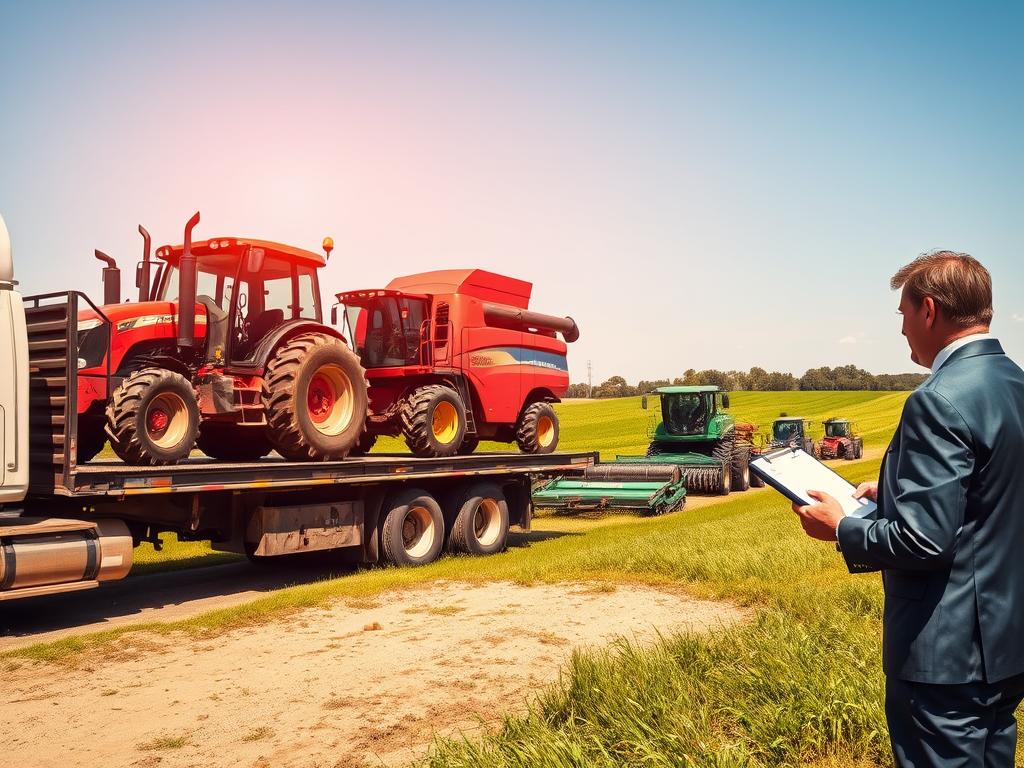
After completing the payment, the next step is arranging for the transportation of your newly acquired equipment. This can be a complex process, especially for larger items like tractors or harvesters. You may need to hire a professional transport company that specializes in agricultural equipment. Make sure to get quotes from multiple transporters and check their insurance coverage to protect your investment during transit.
Inspection Upon Delivery and Dispute Resolution
Upon receiving your equipment, conduct a thorough inspection to ensure it matches the description provided in the auction listing. Check for any damage or discrepancies. If you find any issues, document them with photos and notify the seller immediately. Understanding the auction site’s dispute resolution process is also crucial, as it will guide you through resolving any conflicts that may arise.
By following these post-auction procedures, you can ensure a smooth and successful transaction, getting your new agricultural equipment into operation with minimal hassle.
Conclusion: Maximizing Your Success in Agricultural Equipment Auctions
By understanding the online auction process and leveraging digital tools, you can maximize your success in agricultural equipment auctions. To achieve this, it’s essential to be informed, strategic, and prepared when participating in online auctions.
You can make informed decisions by researching market values, evaluating equipment specifications, and setting a budget. Effective bidding strategies, such as timing your bids and setting maximum bids, can also help you secure the best deals on farm equipment.
To ensure a strong return on investment, consider factors like total cost of ownership, productivity gains, and resale value when evaluating potential purchases. By following these online auction tips, you can confidently navigate the online auction landscape and make smart farm equipment investments.
Ultimately, maximizing success in agricultural equipment auctions requires a combination of knowledge, strategy, and preparation. By staying informed about industry trends and best practices, you can make the most of your farm equipment investment and drive long-term success in your agricultural operations.
FAQ
What are the benefits of buying agricultural equipment through online auctions?
How do I research the market value of agricultural equipment?
What should I look for when evaluating tractors and harvesters before bidding?
How do I determine the total cost of ownership for agricultural equipment?
What are some effective bidding strategies for agricultural equipment auctions online?
How do I ensure a smooth transaction after winning an online auction?
What are some common mistakes to avoid when participating in online agricultural equipment auctions?
How can I maximize my return on investment (ROI) when buying agricultural equipment through online auctions?
Sobre o Autor