
You’ve decided to participate in a heavy equipment auction, now it’s time to prepare. To succeed, you need to arm yourself with the right knowledge and bidding strategies. Heavy equipment auctions have become a popular way to buy and sell construction machinery and other equipment.
To increase your chances of winning, you need to understand the dynamics of these auctions and develop effective bidding strategies. This includes researching the market value of the equipment, understanding the auction process, and knowing when to bid.
Key Takeaways
- Understand the market value of the equipment before bidding
- Research the auction process and rules
- Develop a bidding strategy that works for you
- Know when to bid and when to walk away
- Stay focused and patient during the auction
Understanding the Heavy Equipment Auction Landscape
The heavy equipment auction landscape is diverse, with various formats that cater to different needs and preferences. As a bidder, understanding these different types is crucial for navigating the market effectively.
Types of Heavy Equipment Auctions
Heavy equipment auctions can be broadly categorized into different types based on their format and bidding rules.
Live Auctions vs. Online Platforms
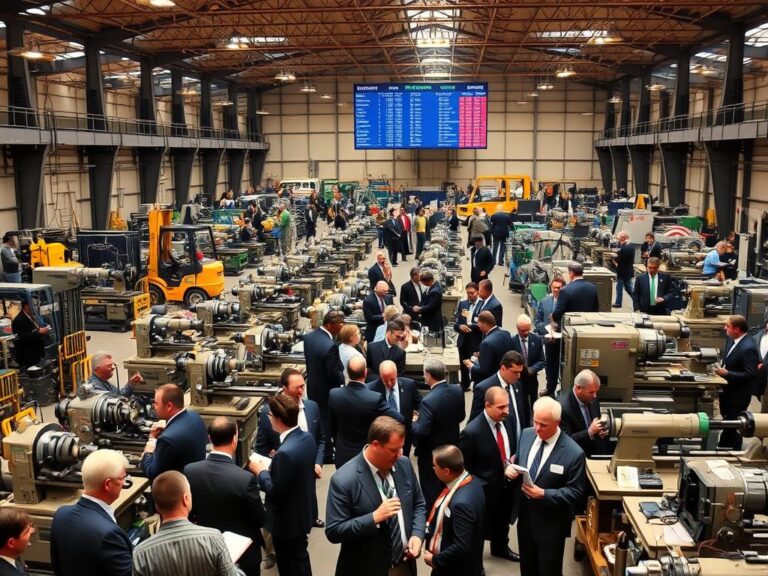
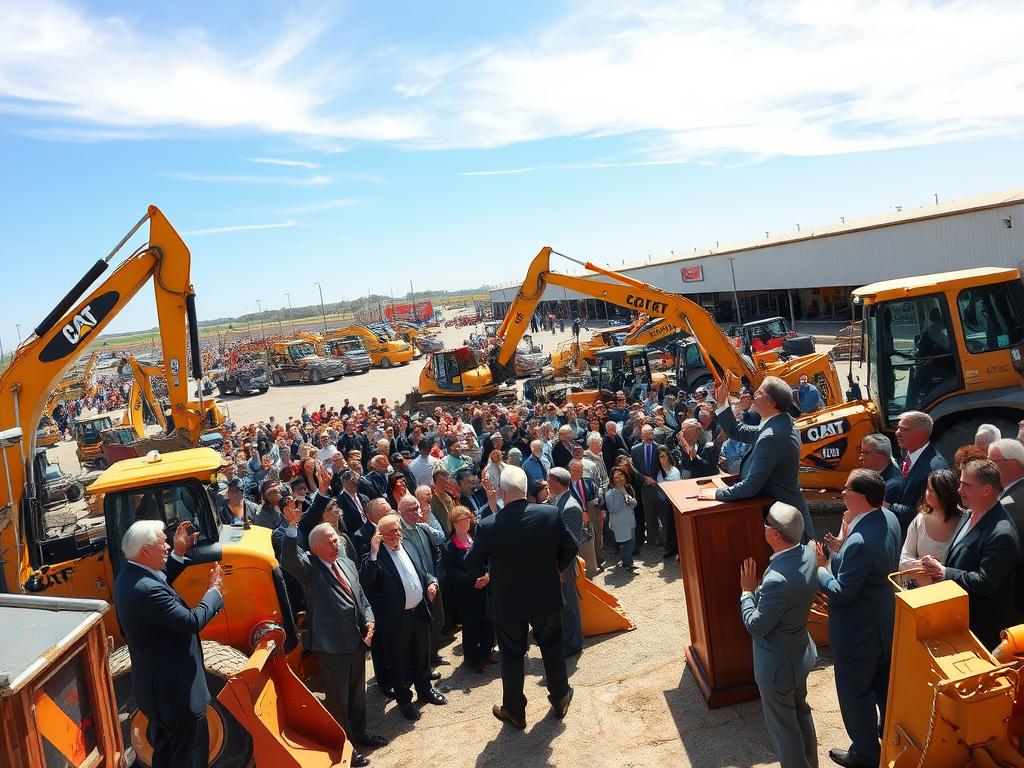
Live auctions take place in person, where bidders gather at a physical location to bid on equipment. In contrast, online auctions occur over the internet, allowing bidders to participate remotely. Online auctions offer greater flexibility, while live auctions provide an immediate, dynamic experience.
In an absolute auction, the highest bidder wins the equipment regardless of the price. In a reserve auction, there is a minimum price set by the seller, and the equipment will not be sold if the bidding does not reach this reserve price. Understanding these formats helps you prepare for the bidding process.
Pre-Auction Research: The Foundation of Successful Bidding
Pre-auction research is the cornerstone of a successful bidding strategy in heavy equipment auctions. To bid effectively, you need to understand the value of the equipment you’re interested in. This involves researching the equipment’s value and fair market price, which is crucial for making informed decisions during the auction.
Researching Equipment Values and Fair Market Prices
To determine the value of heavy equipment, you must consult reliable valuation resources. These resources provide insights into the current market prices of the equipment you’re bidding on. Reliable valuation resources include industry reports, auction databases, and equipment pricing guides.
Reliable Valuation Resources
- Industry reports from reputable firms
- Auction databases that track past sales
- Equipment pricing guides specific to your industry
These resources help you understand the fair market price of the equipment, ensuring you’re not overpaying.
Depreciation Factors to Consider
When researching equipment values, it’s also essential to consider depreciation factors. These include the equipment’s age, condition, and usage history. Understanding how these factors affect the equipment’s value will help you make a more accurate assessment of its worth.
By carefully researching equipment values and considering depreciation factors, you can develop a well-informed bidding strategy that increases your chances of success in heavy equipment auctions.
Setting Your Budget: Determining Maximum Bid Limits
To succeed in heavy equipment auctions, you need to establish a realistic budget. This involves understanding not just the purchase price, but the total cost of ownership and additional expenses associated with the auction process.
Calculating Total Cost of Ownership
When determining your budget, it’s crucial to calculate the total cost of ownership. This includes the purchase price, maintenance costs, fuel, insurance, and potential repair expenses. Consider the following factors:
- Purchase price
- Maintenance and repair costs
- Fuel and operational expenses
- Insurance premiums
Factoring in Additional Fees and Taxes
Beyond the purchase price, there are additional fees and taxes to consider. These can significantly impact your total expenditure.
Buyer’s Premiums
Many auctions charge a buyer’s premium, which is a percentage of the hammer price. This can range from 5% to 10% or more, depending on the auction house.
Transportation Costs
After purchasing equipment, you’ll need to consider transportation costs. Heavy equipment often requires specialized transport, which can be expensive.
By carefully calculating your total cost of ownership and factoring in additional fees and taxes, you can set a realistic budget and avoid financial surprises. This strategic approach will help you navigate heavy equipment auctions with confidence.
Equipment Inspection Strategies That Reveal Hidden Value
To ensure you’re making a smart investment, it’s critical to conduct a detailed inspection of the equipment before bidding. Inspecting the equipment thoroughly can reveal potential issues that might not be immediately apparent, helping you make a more informed decision.
Creating a Comprehensive Inspection Checklist
Developing a comprehensive inspection checklist is a crucial step in evaluating the condition of the equipment. Your checklist should include key components such as:
- Engine condition and performance
- Hydraulic system functionality
- Electrical system integrity
- Structural integrity of the equipment
- Signs of wear and tear on moving parts
By systematically checking these components, you can gain a clearer picture of the equipment’s overall condition and potential for future issues.
Red Flags to Watch For During Inspection
During your inspection, there are several red flags to watch out for that could indicate significant problems with the equipment.
Fluid Leaks and Mechanical Issues
Fluid leaks can be a sign of worn seals or damaged components, potentially leading to costly repairs. Mechanical issues, such as unusual noises or vibrations, can also signal underlying problems that need to be addressed.
Structural Damage Assessment
Assessing the equipment for structural damage is critical, as cracks or bends in key components can compromise the equipment’s functionality and safety. Look for signs of repair or welding that may indicate previous damage.
- Create a detailed inspection checklist to evaluate equipment condition
- Watch for red flags such as fluid leaks and structural damage
- Assess mechanical issues and signs of wear and tear
By following these equipment inspection strategies, you can make more informed bidding decisions and avoid costly surprises after the auction.
Heavy-Equipment-Auction-Bidding-Strategies That Professionals Use
The key to winning in heavy equipment auctions lies in understanding and applying effective bidding strategies. Professionals in the industry use various tactics to outmaneuver their competitors and secure the equipment they need at favorable prices.
Two primary strategies that professionals rely on are incremental bidding techniques and strategic timing of bids. Understanding and mastering these strategies can significantly improve your chances of success in heavy equipment auctions.
Incremental Bidding Techniques
Incremental bidding involves placing bids in small, calculated increments. This approach allows bidders to maintain control over their spending while gradually increasing their bid to stay competitive. By using incremental bidding, you can avoid overpaying for equipment and manage your budget more effectively.
For instance, if the current bid is $10,000, a bidder using incremental bidding might place a bid of $10,500, which is a $500 increment. This strategy requires a deep understanding of the auction’s dynamics and the ability to predict how other bidders will react.
Strategic Timing of Bids
The timing of your bids can be just as important as the amount you bid. Professionals often debate the merits of early versus late bidding, each with its own advantages and risks.
Early vs. Late Bidding Approaches
Early bidding can establish a bidder as a serious contender, potentially deterring others from bidding. However, it also risks revealing one’s maximum bid too early. On the other hand, late bidding can catch competitors off guard, but it requires precise timing to be effective.
The choice between early and late bidding depends on your understanding of the auction environment and the behavior of other bidders. Some bidders prefer to make their move early to set the tone, while others wait until the last moment to strike.
Momentum Disruption Tactics
Momentum disruption involves placing a bid at a critical moment to disrupt the auction’s momentum. This tactic can reset the bidding dynamics, giving you an opportunity to gain an advantage. By carefully timing your bid, you can break the rhythm of other bidders and potentially intimidate them into backing off.
For example, if the auction is moving quickly with multiple bidders, a well-timed bid can suddenly change the pace, making it difficult for others to respond. This strategy requires a good understanding of the auction’s flow and the ability to read the other bidders’ behaviors.
By combining incremental bidding techniques with strategic timing and momentum disruption tactics, you can develop a robust bidding strategy that enhances your chances of success in heavy equipment auctions.
Online vs. In-Person Auction Tactics: Adapting Your Approach
Adapting your approach to the type of auction you’re participating in is key to winning in heavy equipment auctions. Whether you’re bidding online or in-person, each format has its unique advantages and challenges.
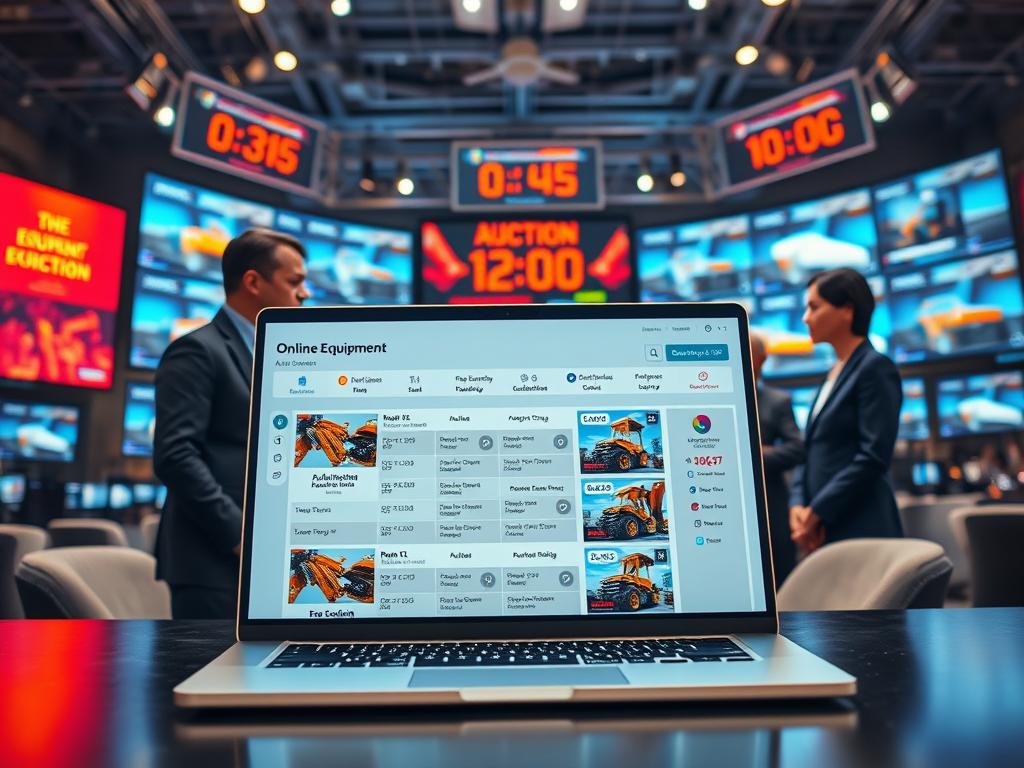
Navigating Digital Auction Platforms
Online auctions require a different set of skills and strategies compared to traditional in-person auctions. To succeed, you need to understand how to navigate digital auction platforms effectively.
Platform-Specific Strategies
Different platforms may have varying features and bidding rules. For instance, some platforms may offer proxy bidding, while others may require manual bidding. Understanding these nuances is crucial.
Dealing with Technical Challenges
Technical issues can arise during online auctions. Ensure you have a stable internet connection and familiarize yourself with the platform’s interface to minimize potential disruptions.
Leveraging Technology for Remote Bidding
Technology has made it possible to participate in auctions remotely. Utilize tools like live streaming and real-time bidding updates to stay competitive.
Building Relationships with Auctioneers
Regardless of the auction format, building a rapport with auctioneers can be beneficial. They can provide valuable insights into the auction process and sometimes offer preferential treatment to familiar bidders.
Some key strategies include:
- Attending pre-auction events to network with auctioneers
- Asking informed questions about the equipment being auctioned
- Following up after auctions to thank the auctioneer and inquire about future events
Competitor Analysis: Understanding Who You’re Bidding Against
In the competitive world of heavy equipment auctions, knowing who you’re up against is vital. Understanding your competition can help you make informed bidding decisions and adjust your strategy to increase your chances of winning.
Identifying Regular Buyers in Your Market
To effectively analyze your competition, you need to identify regular buyers in your market. These are typically companies or individuals who frequently participate in heavy equipment auctions. You can identify regular buyers by:
- Reviewing auction records and past sales data
- Networking with industry professionals and auctioneers
- Monitoring online auction platforms and marketplaces
Recognizing Dealer vs. End-User Bidding Patterns
It’s essential to recognize the bidding patterns of dealers versus end-users. Dealers often bid on equipment to resell, while end-users bid on equipment for their own use. Understanding these patterns can help you:
- Identify potential competitors’ motivations
- Adjust your bidding strategy accordingly
Adjusting Strategy Based on Competition Intensity
The level of competition in an auction can significantly impact your bidding strategy. In high-competition auctions, you may need to be more aggressive in your bidding, while in low-competition auctions, you can be more conservative.
High-Competition vs. Low-Competition Approaches
In high-competition auctions, consider:
- Bidding early to establish a strong presence
- Using incremental bidding to control the pace
In low-competition auctions, consider:
- Waiting for the right moment to bid
- Being prepared to bid aggressively if competition arises
Risk Management in Equipment Auctions
To succeed in heavy equipment auctions, you must understand and mitigate potential risks. Managing risk is essential to avoid financial losses and ensure a successful transaction.
Understanding Auction Terms and Conditions
Before bidding, it’s crucial to thoroughly understand the auction terms and conditions. Pay particular attention to clauses that could impact your financial liability.
“As-Is” Clauses and Their Implications
Many auctions sell equipment “as-is,” meaning the seller is not responsible for any repairs or conditions after the sale. Understand that buying “as-is” transfers the risk to you, the buyer.
Payment and Removal Requirements
Know the payment terms and the timeframe for removing the equipment. Failure to comply can result in additional fees or penalties.
Insurance Considerations for Purchased Equipment
Consider insuring the equipment against damage or loss as soon as possible after purchase. This protects your investment and mitigates potential financial risks.
Creating Contingency Plans for Equipment Issues
Develop a contingency plan for potential equipment issues post-purchase. This could include having a budget for repairs or identifying reliable service providers.
Financing Strategies to Strengthen Your Bidding Position
To strengthen your position in heavy equipment auctions, it’s essential to have a solid financing strategy in place. A well-structured financing plan can provide you with the flexibility and confidence to bid aggressively, ultimately giving you a competitive edge in the auction.
Pre-Approved Financing Options
Securing pre-approved financing before the auction can significantly enhance your bidding power. It allows you to:
- Know your budget with certainty
- Act quickly when you find the right equipment
- Negotiate better terms with sellers
Many financial institutions offer pre-approved financing options for heavy equipment auctions. It’s crucial to explore these options and understand their terms and conditions.
Cash vs. Financing: Strategic Considerations
When it comes to paying for equipment at an auction, you have the option to use cash or financing. Each has its strategic implications:
- Cash: Provides immediate ownership and can be a negotiating advantage.
- Financing: Allows for better cash flow management and can enable you to bid on more expensive equipment.
When to Use Each Payment Method
The choice between cash and financing depends on your financial situation and bidding strategy. Use cash when you have sufficient liquidity and want to avoid debt. Opt for financing when you need to manage cash flow or want to bid on higher-priced equipment.
Leveraging Financing for Competitive Advantage
By understanding and utilizing financing options effectively, you can gain a competitive advantage in heavy equipment auctions. This involves:
- Negotiating favorable financing terms
- Using financing to bid on more valuable equipment
- Maintaining liquidity for other business opportunities
In conclusion, a well-planned financing strategy is crucial for success in heavy equipment auctions. By exploring pre-approved financing options, understanding the implications of cash vs. financing, and leveraging financing for competitive advantage, you can strengthen your bidding position and achieve your business goals.
Post-Auction Strategies: What to Do After Winning or Losing
Whether you’ve won or lost at a heavy equipment auction, having a plan is essential. This phase is critical for maximizing the value of your purchase or learning from an unsuccessful bid.
Efficient Equipment Transport and Logistics
If you’ve won the auction, arranging for the transportation of the equipment is your next step. You should have a logistics plan in place to ensure the equipment is moved efficiently and cost-effectively. Consider factors such as the equipment’s size, weight, and any special handling requirements.
Post-Purchase Inspection and Verification
Upon receiving the equipment, conduct a thorough inspection to verify its condition. Check for any damage or discrepancies from the auction description. This step is crucial for ensuring you received the equipment as expected.
Documentation and Warranty Considerations
Review all documentation provided with the equipment, including any warranties or maintenance records. Understanding the terms of the warranty and the equipment’s history can help you make informed decisions about maintenance and repairs.
Regrouping After Unsuccessful Bids
If you were unsuccessful in your bid, use this as an opportunity to regroup and refine your strategy. Analyze what went wrong and adjust your approach for future auctions. Consider factors such as your budget, bidding strategy, and the competitiveness of the auction.
Building Long-Term Auction Success: Developing Your Reputation
To achieve long-term success in heavy equipment auctions, building a strong reputation is crucial. This involves several key strategies that help you establish credibility and foster beneficial relationships within the industry.
Networking with Industry Professionals
Networking is a fundamental aspect of building your reputation. By connecting with other professionals in the heavy equipment auction industry, you can gain valuable insights and stay informed about market trends. Attending industry events and joining relevant associations can significantly enhance your networking opportunities.
Establishing Credibility with Auction Houses
Establishing credibility with auction houses is vital for long-term success. This can be achieved by demonstrating reliability and professionalism in your transactions. Consistently following through on your bids and maintaining clear communication can help build trust with auction houses.
Creating Beneficial Relationships with Sellers
Building strong relationships with sellers can provide you with access to valuable information and potentially lucrative opportunities. Developing a reputation for fairness and transparency can make sellers more inclined to work with you.
Information Sharing Networks
Participating in information sharing networks can further enhance your reputation and provide you with a competitive edge. These networks allow you to exchange information with other industry professionals, staying ahead of market trends and identifying new opportunities.
Conclusion: Mastering the Art of Heavy Equipment Auction Bidding
You now have the tools and strategies necessary to succeed in heavy equipment auctions. Mastering heavy equipment auction bidding requires a combination of knowledge, strategy, and practice. By understanding the auction landscape, conducting thorough research, and employing effective bidding strategies, you can improve your chances of success.
To refine your auction bidding strategies, focus on setting a realistic budget, inspecting equipment thoroughly, and adapting to different auction formats. Analyze your competition, manage risk, and explore financing options to strengthen your bidding position.
As you continue to participate in heavy equipment auctions, building long-term success involves developing your reputation, networking with industry professionals, and establishing credibility with auction houses. By following these guidelines and continually refining your approach, you will become a skilled bidder, capable of navigating the complexities of heavy equipment auctions with confidence.
FAQ
What are the different types of heavy equipment auctions?
How do I determine the value of heavy equipment before bidding?
What costs should I consider when setting a budget for heavy equipment auctions?
Why is inspecting equipment before bidding important?
What bidding strategies do professionals use in heavy equipment auctions?
How do online and in-person auctions differ, and how should I adapt my approach?
How can I analyze my competitors in heavy equipment auctions?
What risk management strategies should I consider in heavy equipment auctions?
How can I strengthen my bidding position with financing strategies?
What post-auction strategies should I consider after winning or losing a bid?
How can I build a reputation in heavy equipment auctions?
What is the importance of pre-auction research in heavy equipment auctions?
How can I adjust my bidding strategy based on the level of competition?
Sobre o Autor