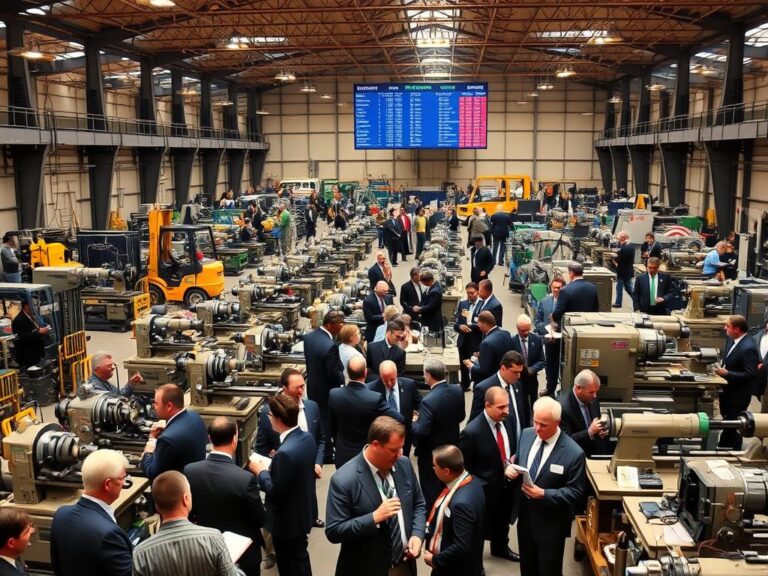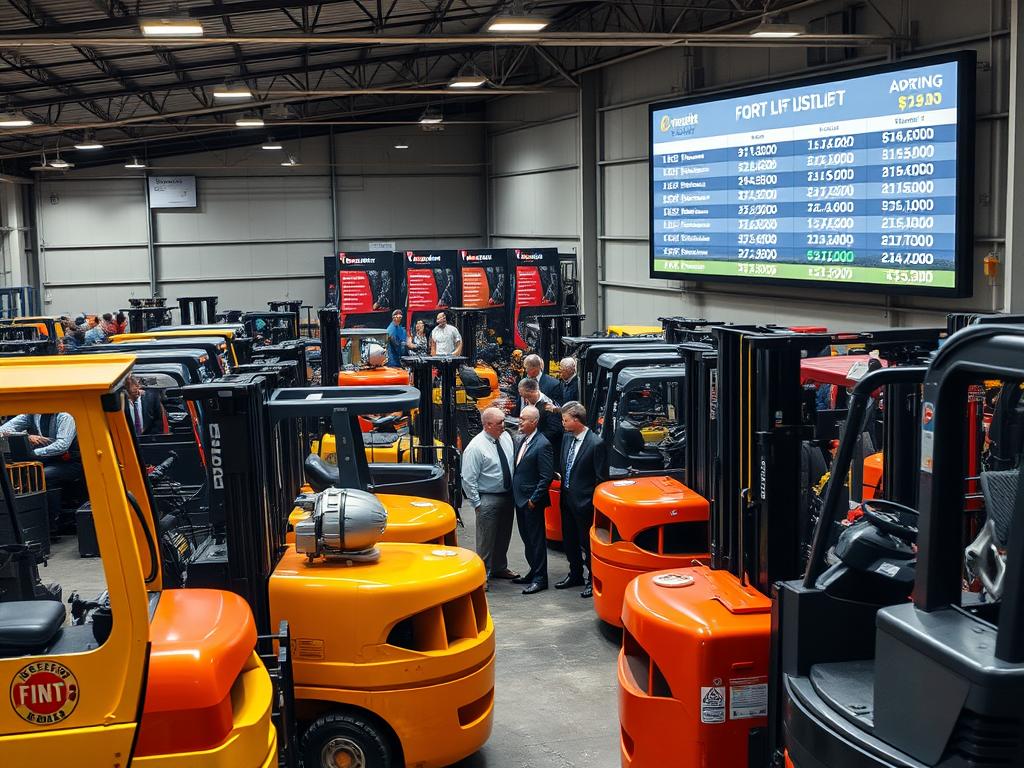

As a logistics company or investor, you’re constantly looking for ways to optimize your operations and maximize your returns. One effective strategy is to participate in forklift auctions and warehouse equipment auctions, where you can find high-quality used equipment at significantly lower prices.
Buying used forklifts and warehouse equipment at auctions can be a smart business move, offering substantial cost savings and access to a wide range of equipment. Whether you’re looking to upgrade your fleet or invest in material handling equipment, auctions provide a unique opportunity to acquire the equipment you need at a fraction of the cost.
Key Takeaways
- Participate in forklift auctions to acquire used equipment at lower prices.
- Warehouse equipment auctions offer a wide range of material handling equipment.
- Buying used equipment can result in significant cost savings.
- Auctions provide an opportunity to upgrade your fleet or invest in new equipment.
- Logistics companies and investors can benefit from the diverse equipment available at auctions.
The Value of Used Warehouse Equipment for Business Growth
Investing in used warehouse equipment can be a strategic move for businesses looking to expand their operations without breaking the bank. This approach not only helps in reducing capital expenditures but also provides an opportunity to acquire high-quality equipment at a fraction of the cost of new equipment.
Cost Advantages for Logistics Companies
Logistics companies can significantly benefit from the cost advantages of purchasing used warehouse equipment. According to industry data, buying used equipment at auctions can result in savings of 40-70% compared to retail prices. This reduction in costs can be crucial for businesses looking to improve their bottom line.
Investment Opportunities in Material Handling Assets
Used warehouse equipment also presents attractive investment opportunities in material handling assets. By acquiring used equipment, businesses can enhance their operational efficiency and capacity without the hefty price tag associated with new equipment. This strategic investment can lead to improved productivity and business growth.
As you consider investing in used warehouse equipment, it’s essential to weigh the potential cost savings against the equipment’s condition and reliability. By doing so, you can make an informed decision that supports your business objectives.
Navigating Forklift-Warehouse-Equipment-Auctions Successfully
In the competitive arena of forklift and warehouse equipment auctions, being well-informed is your greatest asset. To navigate these auctions successfully, you need to understand the types of auctions available and the differences between them.
Types of Auctions Available in the US Market
The US market offers various types of auctions for forklift and warehouse equipment, including live auctions and online bidding platforms. Live auctions provide an immediate and dynamic environment where you can inspect equipment and bid in person.
Differences Between Online and In-Person Auctions
Online auctions offer flexibility and the ability to participate from anywhere, while in-person auctions provide a tangible experience. Understanding these differences is crucial for making informed decisions.
Live Auction Dynamics
Live auctions are fast-paced and require quick decision-making. They offer the advantage of inspecting equipment before bidding.
Online Bidding Platforms
Online bidding platforms provide a wider range of equipment and more time to make decisions. They often include detailed descriptions and photos of the equipment.
By understanding the dynamics of both live and online auctions, you can choose the method that best suits your needs and budget.
Essential Equipment Categories to Consider
As you navigate forklift and warehouse equipment auctions, identifying the right equipment categories is vital for a successful purchase. The diverse range of equipment available can be categorized into several key areas that are crucial for logistics companies and investors.
Forklifts and Lift Trucks
Forklifts and lift trucks are fundamental to warehouse operations. They come in various types, each suited to different tasks and environments.
Electric vs. Propane vs. Diesel Options
The choice between electric, propane, and diesel forklifts depends on your specific needs, including the work environment and the type of cargo handled. Electric forklifts are ideal for indoor use due to their zero emissions, while propane and diesel forklifts offer more power for heavy-duty tasks.
Reach Trucks and Order Pickers
Reach trucks and order pickers are specialized forklifts designed for high-rack storage and order fulfillment. They enable efficient storage and retrieval of goods in high-density storage systems.
Racking, Shelving, and Storage Systems
Efficient storage solutions are critical for maximizing warehouse space. Racking, shelving, and storage systems come in various configurations to suit different types of inventory and warehouse layouts.
Conveyor Systems and Sortation Equipment
Conveyor systems and sortation equipment are essential for automating the movement and sorting of goods within a warehouse. They help streamline operations, reduce labor costs, and increase efficiency.
Pallet Jacks, Dock Equipment Jacks, and Accessories
Pallet jacks and dock equipment are vital for the safe and efficient handling of pallets and goods. Accessories such as pallet forks and dock levelers enhance the functionality of these equipment.
Finding Reputable Equipment Auctions
To successfully purchase equipment through auctions, you need to identify reputable auction houses that offer high-quality machinery. This involves researching various auction platforms and understanding their strengths and weaknesses.
Major Online Auction Platforms
Major online auction platforms like Ritchie Bros. and IronPlanet have revolutionized the way equipment auctions are conducted. These platforms offer a wide range of equipment, from forklifts to conveyor systems, and provide detailed information about each item, including its condition, specifications, and market value.
Industry-Specific Auction Houses
Industry-specific auction houses specialize in particular types of equipment, such as construction machinery or agricultural equipment. These auction houses often have a deeper understanding of the equipment they sell, which can be beneficial for buyers looking for specialized machinery.
Bankruptcy and Liquidation Sales
Bankruptcy and liquidation sales can offer significant discounts on equipment. However, these sales often involve a sense of urgency, and buyers need to be prepared to act quickly.
Manufacturer and Dealer Clearance Events
Manufacturer and dealer clearance events are another avenue for finding good deals on equipment. These events can include sales of used, refurbished, or discontinued equipment, often at discounted prices.
By understanding the different types of equipment auctions available, you can make informed decisions and find the best deals on the equipment you need.
Pre-Auction Research and Due Diligence
To navigate the complex world of forklift and warehouse equipment auctions successfully, you need to be well-prepared. Pre-auction research and due diligence are crucial steps that can significantly impact your bidding strategy and final investment.
Identifying Your Equipment Needs
Before diving into an auction, it’s essential to clearly define your equipment requirements. Consider the type of equipment you need, its intended use, and the quantity required. Make a list of your priorities, including factors like:
- Lifting capacity
- Fuel type (electric, diesel, gas)
- Special features (e.g., side-shifter, rotator)
Checking Market Values and Fair Prices
Researching current market values and fair prices for the equipment you’re interested in is vital. Use online resources, industry reports, and auction data to determine:
- Average selling prices
- Price trends
- Regional variations
Researching Equipment Specifications and Reliability
Investigate the specifications and reliability of the equipment on offer. Look into the manufacturer’s reputation, model history, and any known issues. This information will help you make informed decisions during the bidding process.
Understanding Auction Terms and Conditions
Carefully review the auction terms and conditions to avoid any surprises. Understand the payment requirements, buyer’s premiums, and any additional fees associated with the auction.
Equipment Inspection Strategies
A thorough inspection of equipment is essential to making informed decisions at auctions. When you’re bidding on forklifts, warehouse racking, or conveyor systems, understanding the condition and functionality of the equipment can save you from costly surprises down the line.
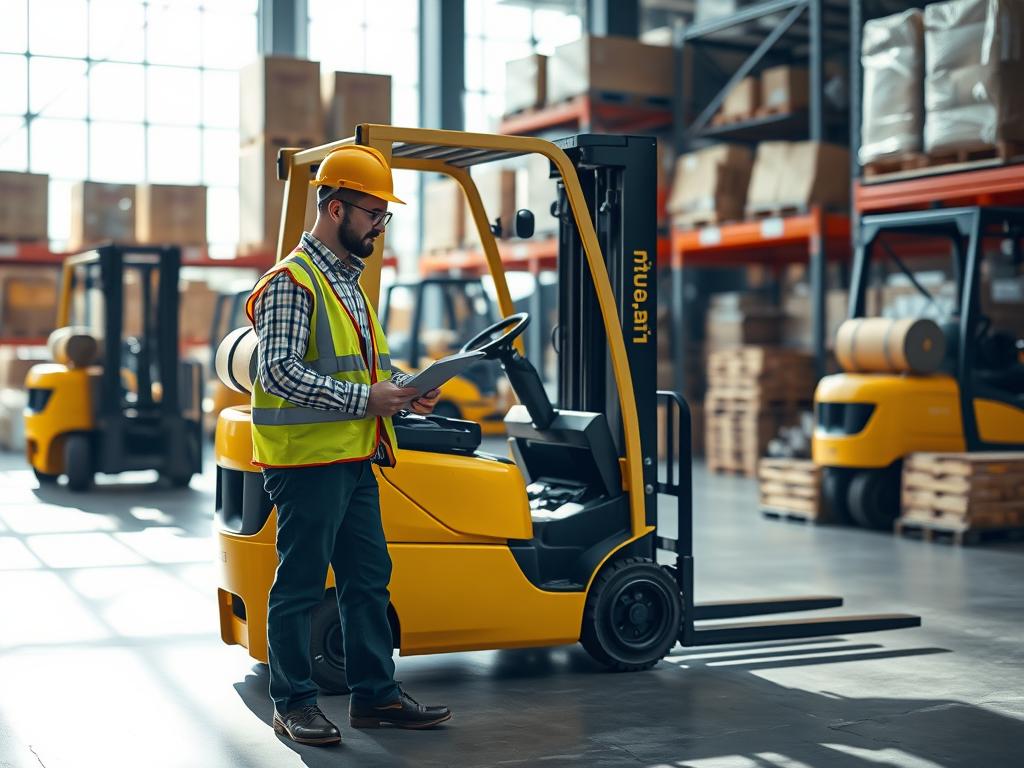
What to Look for When Inspecting Forklifts
Inspecting a forklift involves checking several critical components to ensure it’s in good working condition. You’ll want to examine the mechanical, electrical, and hydraulic systems closely.
Mechanical Components
Start by inspecting the mechanical components, including the tires, brakes, and steering. Look for signs of wear and tear, and check if all parts are functioning as they should.
Electrical Systems
The electrical system is another crucial area to inspect. Check the battery condition, the charging system, and all electrical connections to ensure they’re clean and secure.
Hydraulics and Mast Operation
Finally, inspect the hydraulic system and mast operation. Check for leaks, ensure the mast is stable, and verify that it operates smoothly.
Evaluating Warehouse Racking and Storage Systems
When inspecting warehouse racking and storage systems, look for signs of damage, rust, or wear. Check the structural integrity and ensure that all components are securely attached.
Assessing Conveyor Systems and Automation Equipment
For conveyor systems and automation equipment, inspect the belts, chains, and rollers for wear. Check the control systems and ensure all safety features are functioning correctly.
By following these equipment inspection strategies, you can make more informed decisions at auctions and avoid costly repairs or replacements down the line.
Setting Your Budget and Bidding Limits
A well-defined budget is your roadmap to making smart purchasing decisions at auctions. It’s not just about finding the right equipment; it’s about getting it at a price that makes sense for your business.
Calculating Total Cost of Ownership
When calculating your budget, consider the total cost of ownership, which includes more than just the purchase price. Think about maintenance, fuel, insurance, and potential upgrades.
- Purchase price
- Maintenance and repair costs
- Fuel or energy costs
- Insurance premiums
Factoring in Repair and Transportation Costs
Don’t forget to factor in repair and transportation costs. Equipment bought at auction may require immediate repairs or maintenance, and you’ll need to consider the cost of getting it to your location.
“The total cost of ownership is a critical factor in determining the true cost of equipment. It’s not just about the initial purchase price.” – Industry Expert
ROI Considerations for Investors
For investors, it’s crucial to consider the Return on Investment (ROI). Calculate how much revenue the equipment will generate versus its total cost.
By carefully setting your budget and understanding your bidding limits, you can make informed decisions at equipment auctions.
Auction Day Preparation
Auction day preparation is critical; having the right documents and strategy in place can make all the difference. As you finalize your preparations, it’s essential to focus on the key aspects that will ensure a smooth and successful auction experience.
Required Documentation and Registration
Before the auction, you must complete the registration process and ensure you have all necessary documentation. This typically includes identification, proof of funds, and any other documents specified by the auctioneer.
Payment Methods and Deposit Requirements
Understanding the payment methods accepted by the auction house and the deposit requirements is crucial. You should be prepared to make a deposit on the day of the auction if your bid is successful.
Creating Your Bidding Strategy
Developing a clear bidding strategy is vital. This involves setting a maximum bid limit, deciding on your bidding increments, and determining the best time to place your bids.
Bringing Technical Support if Needed
For complex equipment, consider bringing technical support to help assess the condition and functionality of the items you’re bidding on.
Effective Bidding Strategies and Techniques
To maximize your ROI from equipment auctions, it’s essential to master effective bidding strategies and techniques. Whether you’re bidding online or in-person, a well-planned approach can help you secure the equipment you need at a fair price.
In-Person Auction Tactics
When bidding in-person, it’s crucial to stay calm and focused. Arrive early to inspect the equipment and get a feel for the auction atmosphere. Consider bringing a team to help you assess the equipment and make bidding decisions.
- Set a firm budget and stick to it
- Use a bidding strategy that works for you, such as starting with a low bid to gauge competition
- Be prepared to walk away if the bidding exceeds your budget
Online Bidding Best Practices
Online auctions require a different set of skills. Make sure you understand the auction platform’s rules and bidding increments. Use online tools to research the equipment and estimate its value.
- Register early to avoid last-minute technical issues
- Monitor the auction’s progress closely to adjust your strategy as needed
- Use proxy bidding to save time and avoid getting caught up in last-minute bidding wars
When to Hold and When to Fold
Knowing when to stop bidding is just as important as knowing when to start. Set a maximum bid and stick to it to avoid getting caught up in the excitement of the auction.
Dealing with Auction Pressure
Auctions can be high-pressure environments, especially for inexperienced bidders. Stay calm and focused on your goals. Remember, it’s okay to walk away if the bidding doesn’t go in your favor.
By mastering these effective bidding strategies and techniques, you’ll be better equipped to navigate the world of forklift and warehouse equipment auctions and achieve your business goals.
Post-Auction Logistics and Considerations
The auction may be over, but your work is just beginning with post-auction logistics and considerations. As you finalize your equipment purchases, it’s crucial to plan for the next steps to ensure a smooth transition.
Equipment Removal Deadlines
One of the first considerations is meeting the equipment removal deadlines set by the auction house. Failure to comply can result in additional fees or penalties. Make sure you have a clear understanding of these deadlines and plan accordingly.
Transportation and Logistics Planning
Transporting your newly acquired equipment requires careful planning. You need to consider the type of equipment, its condition, and the distance it needs to be transported. Hiring professional logistics services can be beneficial in this regard.
Storage Considerations
If you cannot immediately use or transport your equipment, you may need to store it. Ensure that you have adequate storage facilities that meet the equipment’s requirements, such as climate control for sensitive machinery.
Initial Testing and Verification
Before putting your equipment into full operation, conduct initial testing and verification to ensure it’s in good working condition. This step can help identify any potential issues early on, saving you from costly repairs down the line.
Refurbishment and Integration of Auction Equipment
Refurbishing and integrating used equipment is vital for maximizing the value of your auction purchases. After acquiring equipment at an auction, it’s crucial to assess its condition and plan for its refurbishment and integration into your existing operations.
Assessing Repair Needs
Begin by thoroughly inspecting the equipment to identify any damage or wear. Make a list of the repairs needed, considering both cosmetic and functional issues. This assessment will help you understand the total cost of ownership and plan your budget accordingly.
Finding Qualified Technicians
To ensure that repairs are done correctly and efficiently, it’s essential to find qualified technicians who specialize in the type of equipment you’ve purchased. Look for certified professionals or reputable service providers with experience in maintaining and repairing similar machinery.
Maintenance Schedules for Used Equipment
Creating a regular maintenance schedule is crucial for extending the lifespan of your used equipment. Regular maintenance can help prevent breakdowns, reduce downtime, and ensure that your equipment operates at optimal levels.
Integrating Used Equipment with Existing Systems
To maximize efficiency, it’s essential to integrate your new equipment with your existing systems seamlessly. This may involve configuring the equipment to work with your current machinery or training your staff on how to use the new equipment effectively.
Conclusion: Maximizing Your ROI from Equipment Auctions
Maximizing your return on investment (ROI) from equipment auctions requires careful planning, research, and execution. By understanding the value of used warehouse equipment, navigating auctions successfully, and making informed bidding decisions, you can acquire the equipment you need at a fraction of the cost.
To achieve a successful outcome, focus on identifying your equipment needs, checking market values, and inspecting equipment before bidding. Additionally, consider the total cost of ownership, including repair and transportation costs, to ensure you’re making a savvy investment. By following these strategies and staying focused on your ROI goals, you can capitalize on the potential for significant cost savings and returns on investment available through equipment auctions.
By applying the insights and best practices outlined in this article, you’ll be well-equipped to maximize your ROI from equipment auctions and drive business growth through strategic equipment acquisitions.
FAQ
What are the benefits of buying used equipment at auctions?
How do I navigate forklift and warehouse equipment auctions successfully?
What are the essential equipment categories to consider when buying at auctions?
How do I find reputable equipment auctions?
What should I do before bidding at an auction?
How do I inspect equipment before bidding?
How do I set a budget for auction bidding?
What should I do on auction day?
How do I handle post-auction logistics?
How do I refurbish and integrate auction equipment?
What are the benefits of maximizing ROI from equipment auctions?
What is the importance of pre-auction research and due diligence?
How do I deal with auction pressure?
Sobre o Autor