
When you’re bidding on heavy equipment at auction, it’s easy to get caught up in the excitement of the purchase. However, it’s crucial to consider the financial implications of such a significant investment. Managing your cash flow effectively is vital to ensuring that your business remains operational and profitable.
You need to explore financing options that can help you acquire the equipment you need without depleting your cash reserves. Equipment loans and other financing solutions can provide the necessary funds to make your auction purchases, allowing you to preserve your cash flow for other business needs.
Key Takeaways
- Understand the importance of managing cash flow when purchasing equipment at auction.
- Explore financing options, such as equipment loans, to fund your purchases.
- Preserve your cash reserves by using financing solutions for heavy equipment purchases.
- Consider the long-term financial implications of your auction purchases.
- Make informed decisions to ensure the financial health of your business.
Understanding Heavy Equipment Auctions and Their Financial Implications
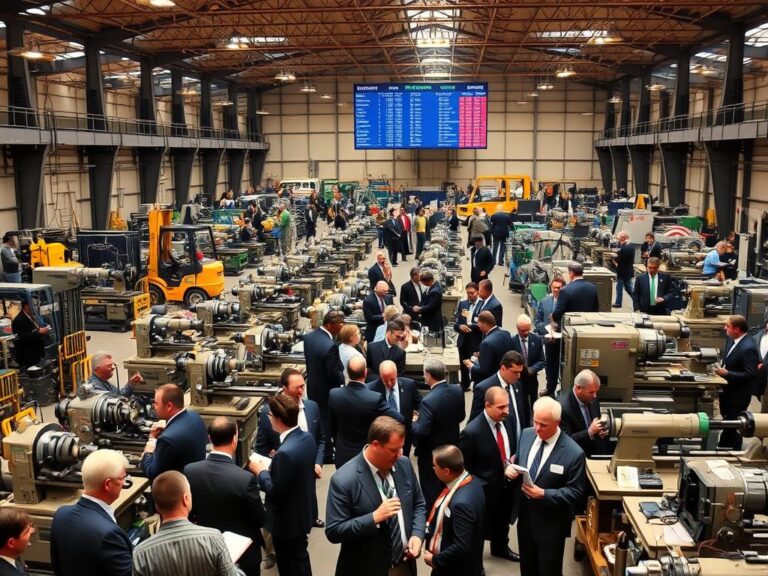
The world of heavy equipment auctions is complex, with various financial considerations that businesses must navigate to make informed decisions. As you explore this avenue for acquiring equipment, it’s crucial to understand the types of machinery available, the potential for cost savings, and the initial financial commitments required.
Types of Heavy Equipment Available at Auctions
Auctions offer a diverse range of heavy equipment, including agricultural machinery like tractors and harvesters, and construction equipment such as excavators and cranes. This variety allows businesses to find the specific machinery they need, potentially at a fraction of the cost of purchasing new.
Price Advantages of Auction Purchases
One of the primary attractions of heavy equipment auctions is the potential for significant cost savings. Auctions can offer below-market prices due to the competitive bidding process, making it possible for businesses to acquire necessary equipment while staying within budget.
Initial Financial Considerations for Auction Bidders
Before participating in an auction, it’s essential to consider the initial financial implications, including the need for immediate payment upon winning a bid. Businesses must ensure they have the necessary funds available or have secured auction financing options to cover the purchase.
Understanding these aspects of heavy equipment auctions can help you make more informed decisions and navigate the process with greater confidence.
The Impact of Equipment Purchases on Business Cash Flow
The decision to buy heavy equipment at an auction is not just about the purchase price; it’s also about how it affects your cash flow. As a business owner, managing your cash flow effectively is crucial for maintaining operational stability and supporting growth initiatives.
Cash Flow Fundamentals for Equipment-Intensive Businesses
For businesses that rely heavily on equipment, cash flow management is particularly challenging. You need to balance the need for equipment to operate with the necessity of maintaining sufficient cash reserves. Effective cash flow management involves forecasting your financial needs, understanding your revenue cycles, and making informed decisions about large purchases.
How Large Purchases Affect Working Capital
When you make a large equipment purchase, it can significantly reduce your working capital. This reduction can limit your ability to cover operational expenses, invest in growth opportunities, or respond to unexpected financial needs. It’s essential to consider how an equipment purchase will affect your overall financial flexibility and ability to meet your financial obligations.
The True Cost of Depleting Cash Reserves
Depleting your cash reserves to purchase equipment can have long-term consequences for your business. It can leave you vulnerable to financial shocks and limit your capacity to invest in other critical areas of your business. Therefore, it’s crucial to weigh the benefits of an equipment purchase against the potential risks to your financial stability and consider alternative financing options that can help preserve your cash reserves.
Evaluating Equipment Value and Investment Potential
Assessing the value and investment potential of heavy equipment is a critical step in making informed auction purchases. To do this effectively, you need to consider several key factors that influence the equipment’s worth and its potential to generate returns for your business.
Determining Fair Market Value Before Bidding
To determine the fair market value of equipment, you should consult various resources. Reliable equipment valuation is crucial for making informed bidding decisions.
Resources for Equipment Valuation
Utilize online marketplaces, industry reports, and equipment valuation guides to estimate the fair market value. You can also consult with industry experts or equipment appraisers for more accurate assessments.
Red Flags to Watch For
Be cautious of equipment with unclear ownership history, signs of excessive wear, or outdated technology. These red flags can significantly impact the equipment’s value and your potential return on investment.
Calculating Return on Investment for Equipment
To calculate the return on investment (ROI) for equipment, consider the initial purchase price, operating costs, maintenance expenses, and potential revenue generated by the equipment. A thorough ROI analysis helps you understand the equipment’s investment potential.
Assessing Equipment Condition and Longevity
Evaluating the condition and longevity of equipment is vital for determining its overall value. Inspect the equipment for signs of wear, check maintenance records, and consider the availability of spare parts and service support.
By carefully assessing equipment value and investment potential, you can make more informed decisions at auctions and ensure that your purchases align with your business goals.
How to Finance Heavy Equipment Auction Purchases Effectively
Effective financing strategies are essential for businesses looking to purchase heavy equipment at auctions without straining their cash flow. To make informed decisions, you need to understand the various financing options available.
Traditional Bank Loans vs. Specialized Equipment Financing
When it comes to financing heavy equipment, you have two primary options: traditional bank loans and specialized equipment financing. Traditional bank loans often require a strong credit history and may have stricter repayment terms. On the other hand, specialized equipment financing is tailored to the equipment industry, offering more flexible terms and a deeper understanding of the equipment’s value.
The key differences between these options include:
- Interest rates
- Repayment terms
- Collateral requirements
- Flexibility in loan structuring
Equipment-Specific Lending Options
Equipment-specific lending options provide various ways to finance your heavy equipment purchases. These include:
Equipment Leasing Structures
Equipment leasing allows you to use the equipment for a specified period in exchange for regular payments. This can be beneficial for businesses that want to conserve capital or need equipment for a short-term project.
Equipment Finance Agreements
Equipment finance agreements involve borrowing money to purchase the equipment, with the lender holding a security interest in the equipment until the loan is repaid.
Vendor Financing Programs
Some equipment vendors offer financing programs that can simplify the purchasing process. These programs may offer competitive rates and terms tailored to the vendor’s equipment.
Auction-Specific Financing Programs
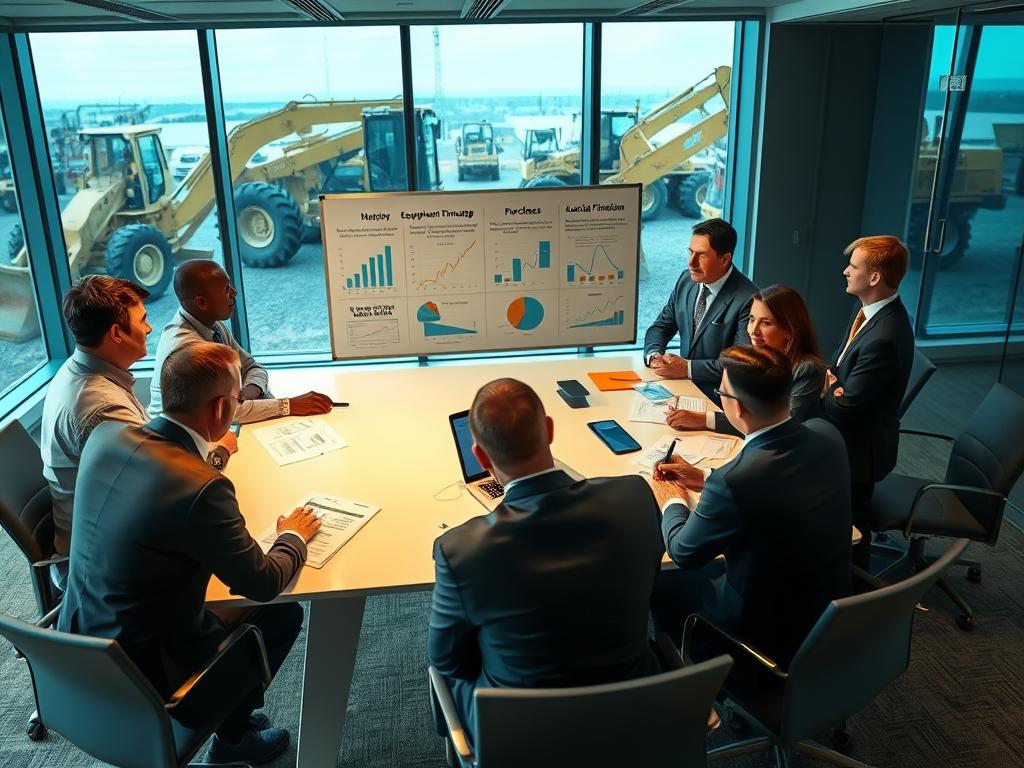
In addition to traditional financing options, there are auction-specific financing programs designed to help bidders secure funding quickly and efficiently. These programs understand the fast-paced nature of auctions and can provide the necessary funds to secure your desired equipment.
By understanding and leveraging these financing options, you can effectively finance your heavy equipment auction purchases and support your business’s growth.
Preparing Your Business for Equipment Financing Approval
A well-prepared business is crucial for securing equipment financing approval. To achieve this, you need to focus on strengthening your financial foundation and presenting a robust business case to potential lenders.
Required Documentation and Financial Statements
To start, you’ll need to gather and prepare several key financial documents. These typically include balance sheets, income statements, cash flow statements, and tax returns. Ensuring these documents are accurate, up-to-date, and reflect a healthy financial status is vital for making a positive impression on lenders.
Improving Your Business Credit Profile
Your business credit profile plays a significant role in determining your eligibility for equipment financing. To improve your credit profile, focus on the following:
- Maintaining a good credit score by making timely payments
- Building a lengthy credit history by keeping old accounts open
- Managing your debt-to-income ratio by reducing debt
Credit Score Thresholds for Equipment Financing
Most lenders have a minimum credit score requirement for equipment financing. Typically, a score of 650 or higher is considered favorable.
Building Business Credit History
Establishing a long history of credit can significantly enhance your business’s credibility. This involves opening credit accounts and managing them responsibly over time.
Managing Debt-to-Income Ratios
Keeping your debt-to-income ratio low is crucial. This is achieved by either reducing your debt or increasing your income. A lower ratio indicates better financial health.
Creating a Compelling Business Case for Lenders
To secure equipment financing, you must present a compelling case to lenders. This involves demonstrating how the equipment will improve your business operations, increase revenue, and enhance profitability. Use data and projections to support your claims, making your proposal more convincing.
Step-by-Step Process to Secure Financing Before the Auction
To navigate the complex world of heavy equipment auctions, you need to have a solid financing plan in place beforehand. Securing financing before participating in an auction not only streamlines the bidding process but also gives you a competitive edge.
Pre-Qualifying for Equipment Loans
Pre-qualifying for equipment loans is the first step in securing financing. This process involves contacting potential lenders and providing financial information to determine how much you can borrow. Pre-qualification gives you an idea of your budget and demonstrates to sellers that you are a serious buyer.
Obtaining Financing Commitment Letters
Once pre-qualified, the next step is to obtain a financing commitment letter. This letter is a formal agreement from the lender to provide the necessary funds for your equipment purchase. It significantly strengthens your bidding position by showing that you have already secured financing.
Setting Appropriate Bidding Limits Based on Financing
With financing in place, it’s crucial to set appropriate bidding limits. This involves determining the maximum amount you can afford to bid based on your financing agreement. Creating a bidding strategy that aligns with your financial capabilities is key to avoiding financial strain.
Creating a Bidding Strategy
A well-thought-out bidding strategy is essential for success at an auction. This involves deciding on the maximum bid, considering the equipment’s value, and understanding the auction dynamics. It’s also important to stay focused and avoid getting caught up in the excitement of bidding.
When to Walk Away from a Bid
Knowing when to walk away from a bid is just as important as knowing how to bid. If the bidding exceeds your predetermined limit, it’s crucial to stick to your budget and walk away. This discipline helps prevent overpaying for equipment and maintains your financial health.
Strategic Payment Structures to Preserve Cash Flow
To maintain financial stability, businesses must adopt strategic payment structures for equipment financing. This is particularly crucial when purchasing heavy equipment at auctions, where the financial implications can be significant.
Tailoring Payment Terms to Revenue Cycles
One effective strategy is to tailor payment terms to your business’s revenue cycles. By aligning payment schedules with the periods when your business typically experiences higher cash inflows, you can better manage your cash flow. This approach ensures that your business has sufficient funds to meet its financial obligations without straining its financial resources.
Seasonal Payment Options for Cyclical Businesses
For businesses with seasonal fluctuations, seasonal payment options can provide much-needed flexibility. These arrangements allow businesses to make larger payments during peak seasons when cash flow is stronger, and smaller payments during off-peak seasons. This can help in maintaining a stable cash flow throughout the year.
Balloon Payments and Refinancing Strategies
Another strategic payment structure involves balloon payments and refinancing strategies. Balloon payments allow businesses to make smaller regular payments with a larger payment at the end of the loan term. This can be beneficial for businesses that need to conserve cash flow in the short term.
When Balloon Payments Make Sense
Balloon payments make sense when a business anticipates a significant increase in cash flow in the future or plans to refinance the loan before the balloon payment is due. It’s essential to carefully evaluate your business’s financial projections before opting for such a payment structure.
Planning for Future Refinancing
Planning for future refinancing is also a critical aspect of managing equipment financing. Businesses should consider the potential for refinancing their loans under more favorable terms in the future. This can help in reducing the overall cost of the loan and improving cash flow.
By implementing these strategic payment structures, businesses can effectively preserve their cash flow while financing heavy equipment purchases at auctions. It’s about finding the right balance between managing financial obligations and maintaining operational liquidity.
Tax Advantages and Incentives for Equipment Financing
Maximizing tax benefits is a key aspect of equipment financing that can lead to substantial savings for your business. As you finance heavy equipment, understanding the available tax advantages can significantly impact your financial health.
Section 179 Deductions for Equipment Purchases
The Section 179 deduction is a valuable tax incentive that allows businesses to deduct the full purchase price of qualifying equipment in the year of purchase, rather than depreciating it over time. This can result in significant tax savings, especially for businesses making large equipment purchases. To qualify, the equipment must be used for business purposes at least 50% of the time. It’s essential to consult with a tax professional to ensure you’re taking full advantage of this deduction.
Depreciation Benefits and Write-Offs
Beyond Section 179, businesses can also benefit from depreciation deductions on equipment. The Modified Accelerated Cost Recovery System (MACRS) allows for accelerated depreciation, enabling businesses to write off a significant portion of the equipment’s cost in the early years of ownership. This can provide substantial tax benefits, improving cash flow and reducing tax liability.
State-Specific Tax Incentives for Equipment Investment
Many states offer additional tax incentives for businesses investing in equipment. These can include credits for job creation, investment tax credits, or other forms of tax relief. For instance, some states provide sales tax exemptions on equipment purchases or offer grants for businesses upgrading their technology. Researching state-specific incentives can uncover valuable opportunities for tax savings.
By leveraging these tax advantages and incentives, businesses can reduce the overall cost of equipment financing, improving their financial position and competitiveness. It’s crucial to stay informed about the latest tax regulations and to consult with tax professionals to maximize these benefits.
Conclusion: Balancing Equipment Acquisition and Financial Health
As you navigate the process of acquiring heavy equipment at auction, maintaining a balance between equipment acquisition and financial health is crucial. Effective cash flow management plays a significant role in ensuring that your business remains financially stable while still accessing the equipment it needs.
By understanding the financial implications of equipment purchases and leveraging appropriate equipment financing options, you can make informed decisions that support your business operations. This includes evaluating equipment value, preparing your business for financing approval, and utilizing strategic payment structures.
Ultimately, balancing equipment acquisition with financial health enables your business to thrive. By prioritizing cash flow management and exploring suitable financing strategies, you can ensure long-term success and maintain a competitive edge in your industry.
FAQ
What are the benefits of using equipment financing to purchase heavy equipment at auctions?
How do I determine the fair market value of heavy equipment before bidding at an auction?
What are the different types of financing options available for heavy equipment purchases?
How can I improve my business credit profile to secure equipment financing?
What are the tax advantages of financing heavy equipment purchases?
How can I tailor payment terms to my business’s revenue cycles?
What is the importance of calculating return on investment (ROI) for equipment purchases?
How can I pre-qualify for equipment loans before an auction?
What are the red flags to watch for when evaluating equipment condition and longevity?
How can I create a compelling business case for lenders when applying for equipment financing?
Sobre o Autor