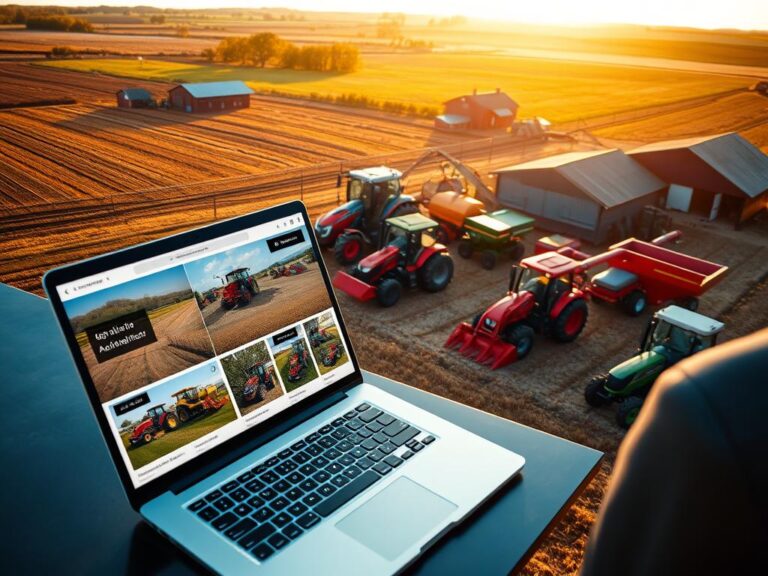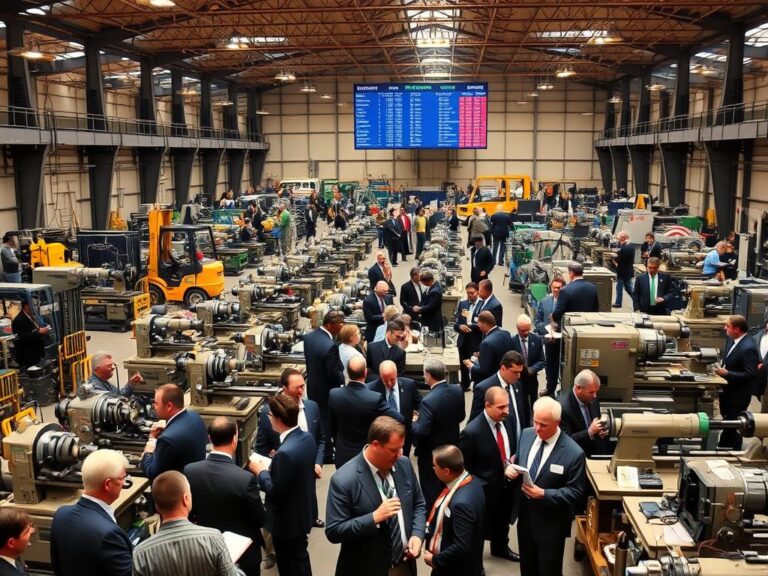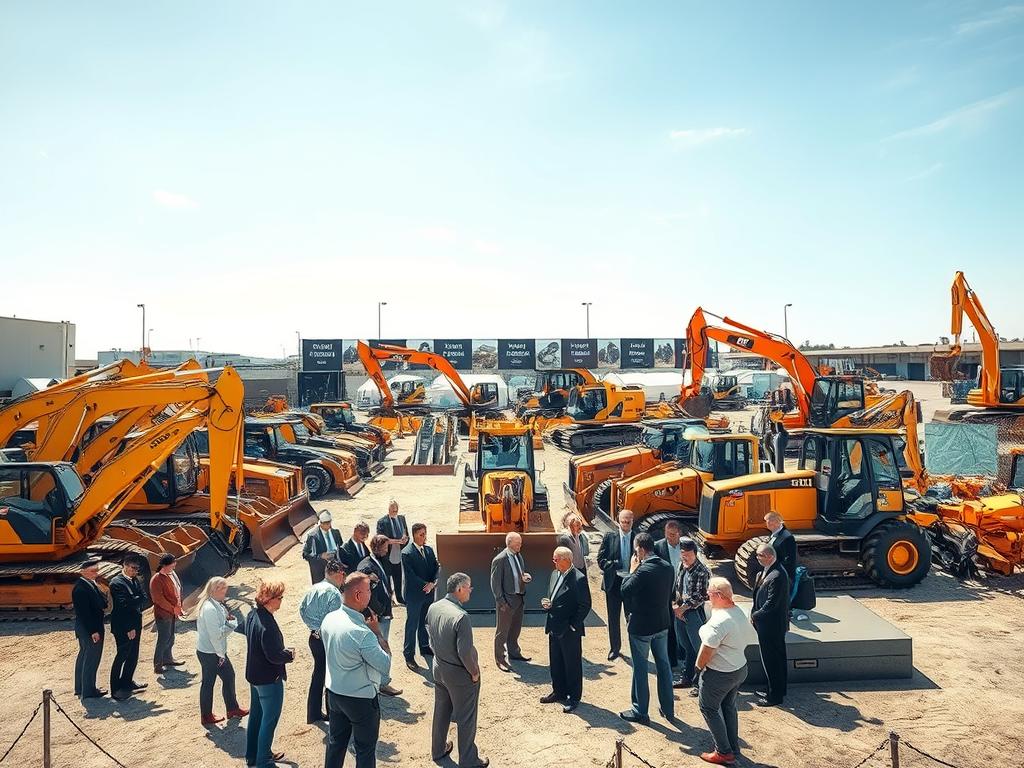

As an international buyer, navigating the complex world of heavy equipment auctions can be daunting. However, with the right knowledge and resources, you can find great deals on high-quality equipment.
Ritchie Bros. gives buyers easy access to the global heavy equipment market with more than 40 auction sites around the world. This makes it easier for you to explore the best countries to buy heavy equipment at auction.
Key Takeaways
- Access to over 40 global auction sites through Ritchie Bros.
- Opportunities to buy high-quality equipment at competitive prices
- Insights into the best countries for international buyers
- Tips for successful bidding in heavy equipment auctions
- Understanding the global heavy equipment market trends
The Global Heavy Equipment Auction Market
With trade policies and economic trends in a state of flux, the global heavy equipment auction market presents both challenges and opportunities for international buyers. As you navigate this complex landscape, understanding the current trends, benefits, and market fluctuations is crucial for making informed decisions.
Current Trends in International Heavy Equipment Sales
The global heavy equipment sales landscape is witnessing significant shifts due to technological advancements and changing economic conditions. Online auctions have become increasingly popular, allowing buyers to participate remotely and access a broader range of equipment. Additionally, there’s a growing trend towards sustainability, with buyers showing a preference for used and refurbished equipment over new purchases.
Benefits of Purchasing at Auctions vs. Direct Dealers
Buying heavy equipment at auctions can offer several advantages over purchasing directly from dealers. These include:
- Potential for lower purchase prices due to competitive bidding
- Access to a wide range of equipment from various sellers
- The possibility of purchasing equipment that is not readily available through traditional sales channels
However, it’s essential to be aware of the potential risks, such as the condition of the equipment and the need for thorough inspections before bidding.
Understanding Market Fluctuations and Opportunities
Market fluctuations can significantly impact the heavy equipment auction market. Economic downturns can lead to an increase in available equipment, potentially driving down prices. Conversely, during periods of economic growth, demand for heavy equipment may surge, leading to higher prices. Understanding these dynamics can help you identify opportunities and make strategic purchasing decisions.
Top Countries for Best-Countries-Heavy-Equipment-Auctions
As an international buyer, you’re likely to find the best deals on heavy equipment in specific countries with thriving auction markets. Certain countries stand out as hubs for heavy equipment auctions, offering a wide range of equipment and attractive prices. In this section, we will explore the top countries for heavy equipment auctions, including the United States, United Kingdom, Germany, Japan, and Australia.
United States
The United States is a significant player in the global heavy equipment auction market, with numerous auction houses across the country.
Major Auction Houses and Locations
Some of the most notable auction houses in the United States include Ritchie Bros. Auctioneers, IronPlanet, and EquipmentSource. These auction houses are located in various regions, ensuring that buyers have access to a wide range of equipment.
Equipment Specialties and Availability
The United States offers a diverse range of heavy equipment, including construction equipment, agricultural machinery, and mining equipment. You can find everything from excavators and cranes to tractors and combines.
Price Advantages for International Buyers
The United States offers competitive pricing for heavy equipment, making it an attractive destination for international buyers. You can often find better deals on equipment compared to other countries.
United Kingdom
The United Kingdom is another major hub for heavy equipment auctions, with a strong presence of auction houses and a wide range of equipment available.
Notable Auction Events
The UK hosts several notable auction events throughout the year, including those organized by Plant Sales Ltd and Copart. These events attract buyers from around the world.
Types of Equipment Commonly Available
You can find a variety of heavy equipment in the UK, including construction equipment, agricultural machinery, and material handling equipment.
Export Documentation Efficiency
The UK has a well-established process for export documentation, making it relatively easy for international buyers to purchase and export equipment.
Germany
Germany is known for its engineering excellence, and this is reflected in the quality of heavy equipment available at auctions.
Quality Standards and Equipment Condition
German heavy equipment is renowned for its high quality and durability, ensuring that buyers can purchase reliable machinery.
Engineering Excellence and Maintenance History
German manufacturers are known for their attention to detail and rigorous maintenance standards, resulting in equipment that is well-maintained and long-lasting.
European Compliance Advantages
Equipment sold in Germany often meets European standards, making it easier to import and operate in other European countries.
Japan
Japan is a significant player in the global heavy equipment market, with a reputation for producing high-quality machinery.
Used Equipment Quality and Maintenance Standards
Japanese used equipment is highly regarded for its quality and maintenance standards, ensuring that buyers can purchase reliable machinery.
Specialized Equipment Availability
Japan offers a range of specialized equipment, including machinery for construction, agriculture, and forestry.
Auction Transparency Practices
Japanese auction houses are known for their transparency, providing detailed information about the equipment being sold.
Australia
Australia is a major market for heavy equipment, driven by its mining and agricultural industries.
Mining and Agricultural Equipment Opportunities
Australia offers a range of heavy equipment related to mining and agriculture, including machinery for excavation, hauling, and harvesting.
Auction Schedules and Major Events
Australian auction houses host regular events, including those organized by Ritchie Bros. and IMI Group.
Equipment Durability and Climate Adaptability
Australian equipment is designed to withstand the country’s harsh climate, ensuring that machinery is durable and long-lasting.
When purchasing heavy equipment at auction, it’s essential to consider the country of origin and the local market conditions. By understanding the top countries for heavy equipment auctions, you can make informed decisions and find the best deals on the equipment you need.
Types of Heavy Equipment Available at International Auctions
International heavy equipment auctions offer a vast array of machinery for various industries, catering to diverse needs worldwide. Thousands of pieces of heavy construction and mining equipment make their way across borders and onto ships, finding new homes thousands of miles away.
You can expect to find a broad range of equipment at these auctions, serving different sectors. The diversity of machinery available is one of the key attractions for international buyers.
Construction Equipment
Construction equipment is a significant category at international auctions. You can find everything from excavators and cranes to bulldozers and backhoes. These machines are essential for infrastructure projects and are in high demand globally.
Agricultural Machinery
Agricultural machinery is another prominent category. Tractors, harvesters, and plows are among the equipment available. These machines are crucial for farmers and agricultural businesses looking to upgrade or expand their operations.
Mining Equipment
Mining equipment, including haul trucks, loaders, and drilling rigs, is also widely available. Mining companies rely on this heavy machinery for their operations, and auctions provide an opportunity to acquire it.
Forestry Equipment
Forestry equipment, such as loggers and skidders, is available for those in the forestry industry. This machinery is specialized and essential for logging and wood processing operations.
Material Handling Equipment
Material handling equipment, including forklifts and cranes, is crucial for logistics and warehouse operations. International auctions offer a variety of this equipment, catering to the needs of businesses worldwide.
In summary, international heavy equipment auctions provide a one-stop platform for buyers to access a wide range of machinery. Whether you’re in construction, agriculture, mining, forestry, or material handling, you can find the equipment you need at these auctions.
How to Research and Identify Reputable Auction Houses
The key to a successful heavy equipment purchase at an international auction lies in selecting a reliable auction house. With numerous auction companies operating globally, it’s crucial to conduct thorough research to identify trustworthy partners.
Vetting Auction Companies
When vetting auction companies, you should consider their history, reputation, and experience in handling international transactions. Look for companies that are transparent about their processes and provide detailed information about the equipment being sold.
Online Reviews and Industry Reputation
Online reviews and industry reputation play a significant role in identifying reputable auction houses. You can check for reviews on various platforms and consult industry reports to gauge an auction house’s credibility. A good reputation is often a sign of a trustworthy auction company.
Auction House Specializations
Different auction houses specialize in various types of heavy equipment. You should identify auction houses that specialize in the type of equipment you’re interested in purchasing. This specialization often indicates a deeper understanding of the equipment’s value and condition.
Pre-Auction Inspection Services
Reputable auction houses often provide pre-auction inspection services, allowing you to assess the condition of the equipment before bidding. This service can significantly reduce the risk associated with purchasing heavy equipment sight unseen.
Buyer Protection Policies
Understanding an auction house’s buyer protection policies is vital. These policies can include guarantees, return policies, and dispute resolution processes. Look for auction houses that offer robust buyer protection to safeguard your investment.
By carefully researching and identifying reputable auction houses, you can significantly enhance your chances of a successful transaction. Key factors to consider include the auction house’s reputation, specializations, inspection services, and buyer protection policies. Finding a trusted wholesaler will give you access to great deals without having to become an expert yourself.
- Research the auction house’s history and reputation
- Check for online reviews and industry reports
- Identify auction houses that specialize in your desired equipment
- Utilize pre-auction inspection services
- Understand buyer protection policies
Evaluating Equipment Condition Remotely
Remote equipment inspection requires a strategic approach to ensure you’re making a well-informed purchase. When buying heavy equipment at international auctions, it’s crucial to assess the condition of the machinery before placing a bid.
Interpreting Equipment Documentation and History
One of the first steps in evaluating equipment condition remotely is to thoroughly review the provided documentation and history. This includes maintenance records, service logs, and any available inspection reports. Pay close attention to any red flags, such as frequent repairs or significant damage.
Utilizing Inspection Reports and Condition Ratings
Many auction houses provide inspection reports and condition ratings for the equipment being sold. These reports can give you valuable insights into the equipment’s condition, highlighting any existing or potential issues. Make sure to understand the criteria used for the condition ratings to accurately assess the equipment’s value.
Virtual Inspection Technologies
Advancements in technology have made virtual inspections more accessible and reliable. Tools such as video inspections, 3D scanning, and drone technology can provide a detailed view of the equipment’s condition without being physically present. Utilize these technologies to get a comprehensive understanding of the equipment’s state.
Hiring Local Inspection Agents
If possible, consider hiring local inspection agents who can physically inspect the equipment on your behalf. They can provide firsthand information about the equipment’s condition, including any signs of wear or needed repairs. Ensure that the inspection agent is reputable and experienced in evaluating the type of equipment you’re interested in.
Red Flags to Watch For in Equipment Listings
When reviewing equipment listings, be aware of potential red flags that could indicate hidden problems. These may include low-quality photos, vague descriptions, or a lack of maintenance records. Be cautious of listings that seem too good to be true or lack transparency.
Before you determine how much you are willing to spend on equipment at an auction, factor in the costs for importing your equipment from overseas. Evaluating the condition of heavy equipment remotely can be challenging, but by using the strategies outlined above, you can make a more informed decision and avoid potential pitfalls.
Preparing for International Bidding
When participating in international heavy equipment auctions, having a well-prepared bidding strategy is crucial for success. As you navigate the global market, understanding the intricacies of the bidding process can significantly impact your outcome.
Creating a Bidding Strategy
Developing a comprehensive bidding strategy involves several key considerations. You should start by defining your budget and identifying the specific equipment you need. Researching the market to understand the current prices and trends is also essential. This information will help you make informed decisions during the bidding process.
It’s also important to consider the auction house’s rules and procedures. Some auctions may have specific requirements or restrictions, such as registration deadlines or deposit requirements. Being aware of these details can help you avoid any last-minute surprises.
Setting Maximum Bid Limits
Setting a maximum bid limit is a critical component of your bidding strategy. This limit should be based on your budget and the market value of the equipment. It’s essential to stick to your limit to avoid overpaying for the equipment.
To determine your maximum bid, consider factors such as the equipment’s condition, age, and market demand. You should also factor in additional costs such as auction fees, transportation, and any necessary repairs.
Understanding Auction Fees and Premiums
Auction fees and premiums can significantly impact your total cost. These fees vary by auction house and can include buyer’s premiums, administrative fees, and other charges. Understanding these costs beforehand is crucial to avoid unexpected expenses.
For instance, a buyer’s premium is a percentage of the hammer price that is added to your total cost. Some auction houses may also charge additional fees for services such as inspection reports or documentation. Being aware of these fees will help you calculate your total cost more accurately.
Remote Bidding Options and Technologies
Many international heavy equipment auctions now offer remote bidding options, allowing you to participate from anywhere in the world. These options can include online bidding platforms, phone bidding, and live streaming of the auction.
When using remote bidding options, it’s essential to ensure that you have a stable internet connection and understand the technology being used. You should also be aware of any time zone differences that may affect the auction schedule.
Currency Exchange Considerations
When bidding at international auctions, currency exchange rates can impact your costs. Fluctuations in exchange rates can affect the total cost of the equipment, including any additional fees.
To mitigate currency exchange risks, consider using hedging strategies or working with financial institutions that specialize in international transactions. It’s also a good idea to factor in any transfer fees or commissions associated with currency exchange.
Don’t overlook insurance for your purchase. Door-to-door international cargo insurance is a worthwhile investment for anyone transporting equipment around the world.
Legal Considerations and Import Regulations
As an international buyer, you’re not just bidding on equipment; you’re also navigating a maze of import regulations. Importing heavy equipment involves a complex set of legal considerations and regulations that can significantly impact your purchase.
Understanding Customs Requirements
Customs requirements vary significantly from one country to another. For instance, certain countries like the U.S. require an EPA (Environmental Protection Agency) certification for imported equipment. Understanding these requirements is crucial to avoid delays or penalties.
Equipment Compliance with Local Standards
Ensuring that the equipment complies with local standards is another critical aspect. This includes safety standards, emissions regulations, and other technical requirements. Non-compliance can result in significant fines or even confiscation of the equipment.
Documentation and Paperwork
The import process involves a considerable amount of documentation, including commercial invoices, packing lists, and certificates of origin. Accurate and complete paperwork is essential for smooth customs clearance.
Emissions and Environmental Regulations
Many countries have stringent emissions and environmental regulations that imported equipment must meet. For example, the European Union has specific directives on emissions standards for heavy equipment.
Working with Customs Brokers
Given the complexity of import regulations, working with a reputable customs broker can be invaluable. They can help navigate the regulatory landscape, ensure compliance, and facilitate the import process.
- Research local regulations and standards.
- Ensure all necessary documentation is in order.
- Consider working with a customs broker.
By understanding and complying with legal considerations and import regulations, you can ensure a successful transaction and avoid potential pitfalls.
Shipping, Logistics, and Post-Purchase Considerations
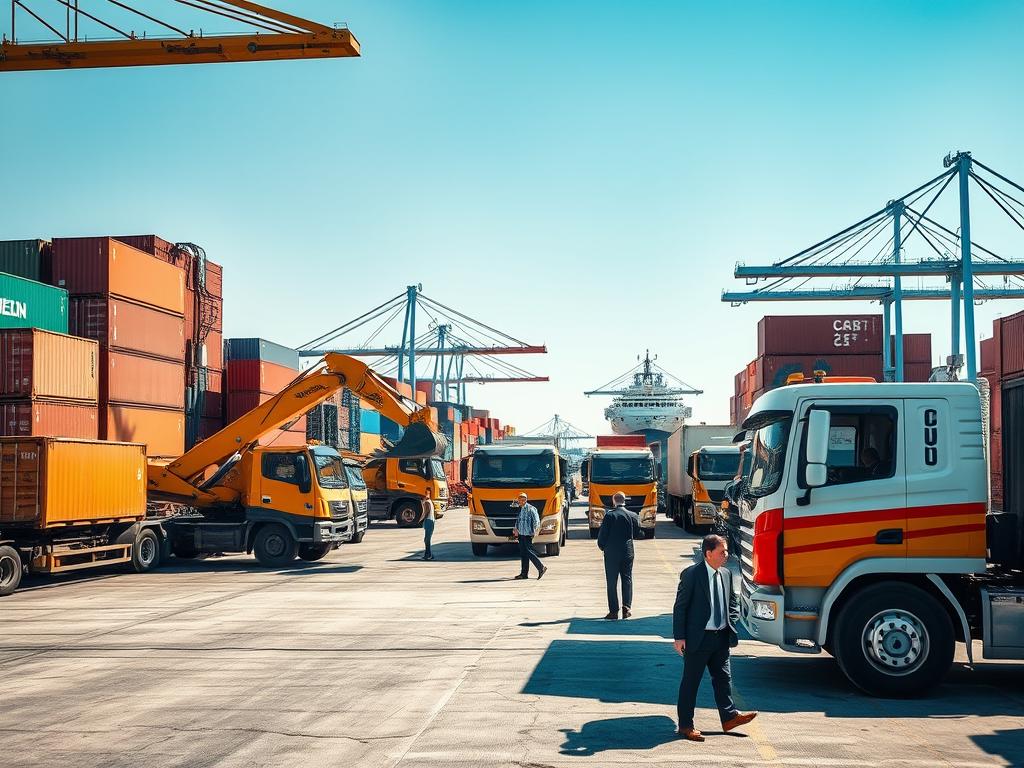
Shipping heavy equipment across borders involves a multitude of considerations that can significantly impact your bottom line. As an international buyer, you’re not just purchasing equipment; you’re also navigating a complex web of logistical challenges.
International Shipping Methods
You have several options when it comes to shipping heavy equipment internationally, including:
- Roll-on/Roll-off (RORO) shipping, which is cost-effective but has limitations on equipment size.
- Container shipping, offering more flexibility in terms of equipment dimensions but at a higher cost.
- Breakbulk shipping, suitable for oversized or unusual cargo that can’t fit into standard containers.
Each method has its advantages and disadvantages. For instance, RORO shipping is generally more economical but may not be suitable for all types of equipment due to size constraints. “The choice of shipping method can significantly affect the overall cost and efficiency of your equipment delivery,” notes industry expert, John Smith.
Insurance Requirements and Risk Management
Insurance is a critical component of international shipping. You need to consider:
- Marine cargo insurance to cover against loss or damage during transit.
- War risk insurance if you’re shipping to or through high-risk areas.
- Strikes, riots, and civil commotions (SRCC) insurance for additional protection.
Understanding the terms and conditions of your insurance policy is crucial. As a buyer, you’re responsible for ensuring that your equipment is adequately covered from the moment it leaves the seller’s premises until it reaches your destination.
Parts Availability and Service Support
One of the often-overlooked aspects of buying heavy equipment internationally is the availability of parts and service support. You should research:
- The manufacturer’s local dealership or service center.
- Availability of spare parts and their costs.
- Training for your maintenance personnel, if necessary.
Ensuring that you have access to reliable service support can significantly reduce downtime and extend the lifespan of your equipment.
Maintenance Planning for Imported Equipment
Maintenance planning is vital for imported equipment. You should:
- Understand the maintenance requirements of the equipment.
- Schedule regular maintenance checks.
- Keep a stock of critical spare parts.
Proactive maintenance can help prevent costly breakdowns and ensure your equipment operates at optimal levels.
Resale Value and Exit Strategies
Finally, consider the resale value of your equipment and potential exit strategies. This includes:
- Understanding local market demand for used heavy equipment.
- Keeping detailed maintenance records to enhance resale value.
- Exploring options for selling or trading in your equipment.
As
“The resale value of heavy equipment can be significantly influenced by how well it’s been maintained and the overall condition at the time of sale,”
highlights the importance of ongoing maintenance and care.
Conclusion: Maximizing Your International Heavy Equipment Auction Experience
To achieve successful international bidding, you must understand the global heavy equipment auction market and identify reputable auction houses. The international used machinery market remains full of opportunity, but success now requires a strategic, informed, and flexible approach.
By carefully planning, researching, and executing your bidding strategy, you can maximize your chances of finding great deals on high-quality equipment. This involves navigating the complexities of import regulations and logistics, as well as evaluating equipment condition remotely.
With the right knowledge and strategy, you can maximize your international heavy equipment auction experience. This enables you to achieve your business goals and stay competitive in the market. As you move forward, stay focused on your bidding strategy and continually adapt to the changing market conditions to ensure successful international bidding.
FAQ
What are the top countries for heavy equipment auctions?
What types of heavy equipment are available at international auctions?
How do I research and identify reputable auction houses?
How can I evaluate the condition of heavy equipment remotely?
What should I consider when preparing for international bidding?
What are the key legal considerations and import regulations I should be aware of?
How do I handle shipping, logistics, and post-purchase considerations?
What are the benefits of purchasing heavy equipment at auctions?
How can I navigate market fluctuations in the global heavy equipment auction market?
Sobre o Autor