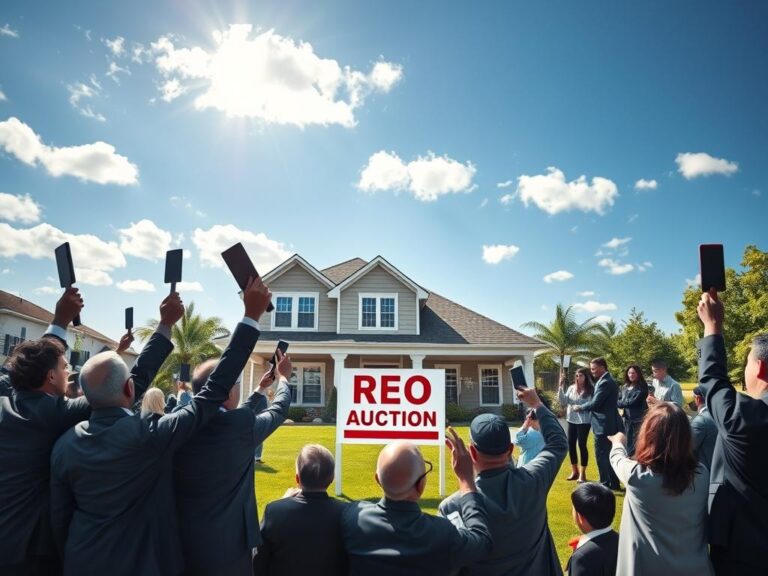

Buying foreclosed homes at auction can be a lucrative investment opportunity, offering a chance to invest in the housing market at a lower cost. However, it requires careful consideration of various factors, including the auction process, property condition, and local market trends.
As an investor, you should be aware of the potential risks and rewards associated with foreclosed home investments and develop a solid understanding of the auction process to maximize your returns. With the right strategy, you can capitalize on the potential for high ROI potential in the investment properties market.
Key Takeaways
- Foreclosed homes can be a cost-effective way to invest in the housing market.
- Understanding the auction process is crucial for successful investment.
- Property condition and local market trends are key factors to consider.
- Foreclosed home investments come with potential risks and rewards.
- A solid strategy can help maximize ROI potential.
Understanding Foreclosure Auctions in the United States
Understanding the intricacies of foreclosure auctions is crucial for investors looking to capitalize on these opportunities. Foreclosure auctions are a complex process where properties are sold to the highest bidder, often at discounted prices.
How Foreclosure Auctions Work
Foreclosure auctions are typically conducted by the county sheriff or a designated auctioneer. The process begins when a homeowner defaults on their mortgage payments, and the lender initiates foreclosure proceedings. The property is then auctioned off to the highest bidder, who can be an individual investor, a bank, or another type of buyer. As “the highest bidder” can be anyone, it’s essential to understand the auction process.
Types of Foreclosure Auctions
There are primarily two types of foreclosure auctions: judicial and non-judicial. Judicial foreclosures involve the court system and are typically used in states that require a court order to foreclose. Non-judicial foreclosures, on the other hand, are carried out without court involvement, based on a power of sale clause in the mortgage contract. “Understanding the type of foreclosure auction is vital for investors.”
The Foreclosure Process Timeline
The foreclosure process timeline varies by state but generally follows a similar pattern. It begins with a notice of default, followed by a pre-foreclosure period, and then the auction. The timeline can range from a few months to over a year, depending on state laws and the complexity of the case. As noted by a real estate expert,
“The foreclosure process can be lengthy and varies significantly by jurisdiction.”
By understanding how foreclosure auctions work, the types of auctions, and the timeline involved, investors can better navigate this complex market and identify potential opportunities.
Why Foreclosed Properties Can Offer High ROI Potential
Foreclosed properties offer a unique chance for investors to purchase homes at discounted prices, potentially leading to high returns. This potential for high ROI is driven by several key factors that make foreclosed properties attractive to investors.
Price Discounts Compared to Market Value
One of the primary advantages of buying foreclosed properties is the ability to purchase them at below-market prices. These price discounts can be substantial, allowing investors to acquire properties at a significant discount. For instance, a foreclosed home might be available for 20-30% less than its market value, providing a considerable upfront saving.
Value-Add Opportunities Through Renovation
Foreclosed properties often require renovation, which presents an opportunity for investors to add value. By renovating these properties, investors can increase their value, making them more attractive to potential buyers or renters. This value-add strategy can significantly enhance the ROI potential of the investment.
Rental Income Potential
Investors can generate rental income by leasing out renovated foreclosed properties. This steady stream of income can contribute significantly to the overall ROI, making the investment more attractive.
Appreciation in Recovering Markets
In recovering markets, the value of foreclosed properties can appreciate over time. As the market strengthens, the property’s value can increase, providing investors with a potential long-term capital gain in addition to any rental income.
Key Factors That Make Certain States Attractive for Foreclosure Investments
The attractiveness of foreclosure investments varies significantly across different states due to several key factors. As an investor, understanding these factors is crucial for identifying the most promising opportunities.
Foreclosure Rates and Inventory Levels
States with high foreclosure rates and substantial inventory levels can provide a steady stream of potential investment properties. For instance, areas with high homeowner default rates tend to have more properties available at auction.
State-Specific Foreclosure Laws
The legal framework governing foreclosure processes differs significantly from state to state. Some states have more investor-friendly laws, making it easier to navigate the foreclosure process and secure properties.
Economic Growth Indicators
Economic growth is a critical factor in determining the potential for return on investment in foreclosed properties. States with growing economies, low unemployment rates, and increasing population trends are more likely to see appreciation in property values.
Housing Market Trends
Understanding local housing market trends is essential for identifying areas with potential for long-term appreciation. Investors should look for markets that are recovering or showing signs of growth.
Redemption Periods and Investor Protections
The length of redemption periods and the level of investor protections vary by state and can significantly impact the viability of foreclosure investments. States with shorter redemption periods and stronger investor protections are generally more attractive.
By carefully evaluating these factors, you can make informed decisions about where to focus your foreclosure investment efforts, maximizing your potential for success.
Best States for Foreclosed Homes at Auction with Highest ROI Potential
When it comes to investing in foreclosed homes at auction, certain states stand out for their high ROI potential. The United States offers a diverse range of opportunities for foreclosed home investments, driven by various state-specific market conditions and trends.
Top States for Foreclosed Home Auctions
Florida: High Inventory and Tourism Appeal
Florida is a prime destination for foreclosed home investors due to its high inventory of distressed properties and strong tourism appeal. The state’s popularity among tourists and retirees alike drives demand for housing, making it an attractive location for investment.
Texas: Strong Economy and Population Growth
Texas boasts a strong economy and rapid population growth, creating a favorable environment for foreclosed home investments. The state’s diverse economy, which includes major industries like technology and energy, supports a robust housing market.
Georgia: Investor-Friendly Foreclosure Process
Georgia’s foreclosure process is considered investor-friendly, making it an attractive state for those looking to invest in foreclosed homes. The state’s relatively short foreclosure timeline and clear laws provide a stable environment for investors.
Ohio: Affordable Entry Points with Solid Returns
Ohio offers affordable entry points for foreclosed home investors, with the potential for solid returns. The state’s housing market is characterized by relatively low prices, making it easier for investors to purchase properties at a discount.

Michigan: Urban Revitalization Opportunities
Michigan, particularly Detroit, presents opportunities for urban revitalization through foreclosed home investments. Investors can capitalize on the city’s redevelopment efforts and the potential for property value appreciation.
Illinois: Chicago Metro Area Potential
The Chicago metro area in Illinois offers significant potential for foreclosed home investors. The region’s diverse economy and strong housing demand make it an attractive location for investment.
New Jersey: High-Value Properties at Discount
New Jersey is known for its high-value properties, and investors can find foreclosed homes at discounted prices. The state’s proximity to New York City and its strong housing market make it an appealing location for investors.
North Carolina: Growing Job Markets
North Carolina’s growing job markets, particularly in cities like Charlotte and Raleigh, drive demand for housing and create opportunities for foreclosed home investors.
Pennsylvania: Diverse Market Opportunities
Pennsylvania offers a diverse range of market opportunities for foreclosed home investors. From Philadelphia to Pittsburgh, the state’s various cities provide different investment options, from affordable properties to high-value homes.
Arizona: Sunbelt Appeal and Appreciation
Arizona’s Sunbelt appeal and potential for property appreciation make it an attractive state for foreclosed home investors. The state’s growing population and strong housing demand support the potential for long-term investment returns.
As an investor, understanding the unique characteristics of each state’s foreclosed home market is crucial for maximizing ROI potential. By focusing on states with favorable market conditions and growth prospects, you can make informed investment decisions and achieve your financial goals.
“The key to successful foreclosed home investing is identifying the right markets and understanding local trends.”
How to Research and Evaluate Foreclosed Properties in Target States
To succeed in the foreclosure market, you need to know how to effectively research and evaluate properties. This involves a comprehensive approach that includes finding upcoming foreclosure auctions, conducting thorough due diligence, estimating renovation costs, and calculating potential ROI.
Finding Upcoming Foreclosure Auctions
Identifying upcoming foreclosure auctions is the first step in the research process. You can utilize various resources to find this information.
Online Resources and Auction Platforms
Several online platforms provide listings of upcoming foreclosure auctions. These platforms often include detailed property information, auction dates, and bidding requirements. Utilizing these resources can help you stay ahead of the competition.
County Courthouse Listings
County courthouses typically maintain public records of foreclosure proceedings, including auction schedules. Visiting or checking the website of the county courthouse where you’re interested in investing can provide valuable information.
Conducting Property Due Diligence
Once you’ve identified potential properties, it’s crucial to conduct thorough due diligence. This process involves verifying the property’s title, assessing its condition, and evaluating any outstanding liens.
Title Searches and Lien Verification
Performing a title search helps you understand any existing liens or encumbrances on the property. This step is vital to avoid unexpected costs post-purchase. Engaging a title company or attorney can facilitate this process.
Property Inspection Strategies
Conducting a property inspection can reveal potential issues that may affect your investment decision. Consider hiring a professional inspector to assess the property’s condition and identify any needed repairs.
Estimating Renovation Costs
Accurately estimating renovation costs is critical to determining the viability of your investment. Consider factors such as materials, labor, and potential unforeseen expenses.
Calculating Potential ROI
To calculate the potential return on investment (ROI), you’ll need to analyze both the cash flow and appreciation potential of the property.
Cash Flow Analysis
Evaluate the potential rental income against your expenses, including mortgage payments, property management, and maintenance. A positive cash flow is essential for a profitable investment.
Appreciation Projections
Assess the potential for long-term appreciation based on local market trends, economic indicators, and development plans in the area. Understanding these factors can help you make a more informed investment decision.
Step-by-Step Guide to Participating in Foreclosure Auctions
The key to winning at foreclosure auctions lies in understanding the intricacies of the auction process and being prepared to act quickly. To participate effectively, you need to grasp the steps involved, from preparation to post-auction procedures.
Pre-Auction Preparation
Before you can start bidding, you need to prepare adequately. This involves understanding the required documentation and ensuring you have the necessary funds available.
Required Documentation
Typically, you’ll need to provide proof of funds, identification, and sometimes a registration form before the auction. Ensure you understand what documents are required by the auctioneer or the state.
Deposit Requirements by State
Different states have varying requirements for deposits. For instance, some states may require a significant deposit upfront, while others may have more lenient terms. Research the specific requirements for the state where you’re bidding.
Financing Options for Auction Purchases
Understanding your financing options is crucial for successful bidding. You need to know whether you’ll be paying cash, using a hard money loan, or exploring private financing options.
Cash Requirements
Some auctions require immediate payment in cash. Ensure you have the necessary liquidity to cover the purchase price and any additional fees.
Hard Money Loans
Hard money loans can be a viable option for financing your foreclosure purchase. These loans are typically short-term and secured by the property itself.
Private Financing
Private financing can also be an option, offering more flexibility than traditional lending institutions. However, be sure to understand the terms and risks involved.
Bidding Strategies and Techniques
Developing a bidding strategy is essential to succeed in foreclosure auctions. This involves setting a budget, understanding the competition, and knowing when to walk away.
Post-Auction Procedures
After winning a bid, you need to complete the closing process and take possession of the property. This involves finalizing the payment, transferring the title, and handling any post-auction paperwork.
Closing Process
The closing process typically involves signing the final documents and transferring the funds. Ensure you understand the timeline and any additional costs involved.
Taking Possession
Once the property is yours, you’ll need to take possession. This may involve evicting previous occupants or handling other logistical tasks.
Common Risks and Challenges When Buying Foreclosed Homes at Auction
When buying foreclosed homes at auction, you’re not just bidding on a property, you’re taking on a set of potential risks and challenges. While foreclosed homes can offer significant savings, the auction process itself can be complex and fraught with difficulties.
Title Issues and Liens
One of the primary risks is title issues and liens associated with the property. Foreclosed homes may have outstanding liens or unclear title status, which can complicate the ownership transfer process. It’s essential to conduct thorough research on the property’s title before bidding.
Property Condition Unknowns
Another challenge is the unknown condition of the property. Many foreclosed homes are sold “as-is,” meaning you won’t have the opportunity to inspect the property before purchasing. This can lead to unexpected repair costs and potential safety hazards.
Competitive Bidding Environments
The auction environment can be highly competitive, driving up prices and potentially reducing your return on investment. To mitigate this, it’s crucial to set a strict budget and stick to it, avoiding the temptation to get caught up in a bidding war.
State-Specific Legal Hurdles
Different states have varying laws and regulations regarding foreclosure auctions. Understanding these legal nuances is vital to navigate the process successfully and avoid potential pitfalls.
Unexpected Costs and Budget Overruns
Finally, be prepared for unexpected costs and potential budget overruns. Renovation costs, in particular, can quickly add up, especially if the property has been neglected or vandalized. Creating a comprehensive budget that includes contingencies for unexpected expenses is a prudent strategy.
In conclusion, while buying foreclosed homes at auction can be a lucrative investment strategy, it’s not without its risks and challenges. By understanding these potential pitfalls and taking steps to mitigate them, you can increase your chances of success in the competitive world of foreclosure auctions.
Success Stories: High ROI Foreclosure Investments by State
Investors across the United States have found lucrative opportunities in foreclosure auctions, with some achieving remarkable returns. Various states have emerged as hotspots for successful foreclosure investments, offering a mix of high returns and diverse market conditions.
Case Study: Florida Vacation Rental Flip
In Florida, investors have capitalized on the tourism industry by flipping foreclosed vacation rentals. For instance, a property purchased at auction for $200,000 was renovated and sold for $350,000, yielding a 75% ROI. This success story highlights the potential for significant returns in Florida’s vacation rental market.
Case Study: Texas Multi-Family Conversion
Texas has seen a surge in multi-family conversions, where investors buy foreclosed single-family homes, renovate them, and rent them out. One investor achieved a 40% ROI by converting a foreclosed property into a multi-unit rental property in a desirable neighborhood.
Case Study: Georgia Suburban Renovation
In Georgia, investors have found success in suburban renovation projects. By purchasing foreclosed homes at auction, renovating them, and selling or renting them out, investors have achieved returns of up to 50%. This strategy has proven particularly effective in suburban areas with growing demand.
Lessons Learned from Successful Investors
Successful investors in foreclosure auctions often share common strategies, including thorough due diligence, effective renovation planning, and a keen understanding of local market trends. They also emphasize the importance of having a solid financial plan in place to cover unexpected expenses.
ROI Metrics from Real-World Examples
Real-world examples provide valuable insights into the potential ROI of foreclosure investments. Some key metrics include:
- Average ROI range: 25% to 75%
- Average holding period: 6 to 12 months
- Renovation costs as a percentage of purchase price: 20% to 30%
These metrics demonstrate the potential for significant returns on investment in the foreclosure market, provided investors are willing to put in the necessary work and research.
Conclusion: Maximizing Your Success in Foreclosure Auctions
Maximizing success in foreclosure auctions requires careful planning, research, and execution. As you’ve learned, certain states offer higher ROI potential due to factors like foreclosure rates, state-specific laws, and economic growth indicators.
To achieve success, you must understand the foreclosure auction process, including pre-auction preparation, financing options, and bidding strategies. By doing so, you can capitalize on the price discounts and value-add opportunities that foreclosed properties offer.
Real-world examples have shown that investors can achieve significant returns through strategic investments in states like Florida, Texas, and Georgia. By applying the knowledge and strategies outlined in this article, you can join the ranks of successful foreclosure auction investors.
Ultimately, your success in foreclosure auctions depends on your ability to navigate the complex process, mitigate risks, and capitalize on emerging opportunities. By staying informed and adapting to changing market conditions, you can maximize your returns and achieve your investment goals.
FAQ
What is a foreclosure auction?
How do I research foreclosed properties?
What are the benefits of buying foreclosed homes at auction?
What are the risks associated with buying foreclosed homes at auction?
How do I finance a foreclosure auction purchase?
What is a redemption period, and how does it affect my investment?
How do I estimate renovation costs for a foreclosed property?
What are some strategies for bidding at a foreclosure auction?
What are the most attractive states for foreclosure investments?
How do I calculate the potential ROI for a foreclosed property?
What are some common challenges faced by investors in foreclosure auctions?
How can I mitigate the risks associated with buying foreclosed homes at auction?
Sobre o Autor