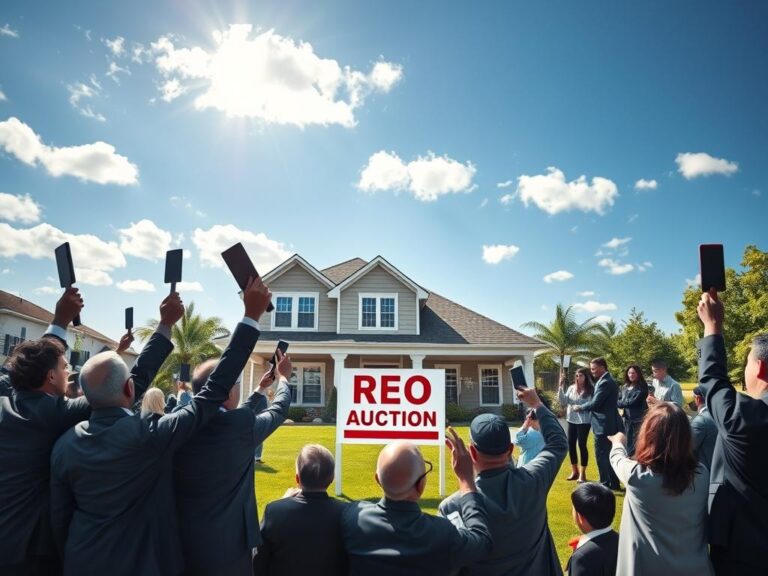

Investing in rental properties can be a lucrative venture, and buying at auction can offer a unique opportunity to acquire properties at a discounted price. However, this approach comes with its own set of challenges and hidden costs that can impact your cash flow.
To succeed in buying rental properties at auction, you need to conduct thorough research and planning. This includes understanding the auction process, analyzing the property’s potential for rental income, and accounting for all associated costs. By doing so, you can make an informed decision and avoid potential pitfalls.
Key Takeaways
- Buying rental properties at auction requires thorough research and planning.
- Understanding the auction process is crucial to making an informed decision.
- Analyzing the property’s potential for rental income is vital to cash flow.
- Hidden costs can significantly impact your investment’s profitability.
- A comprehensive cash flow analysis is essential to success.
Understanding Property Auctions in the Real Estate Market
Property auctions have become a significant part of the real estate market, offering unique opportunities for investors. You can find a variety of properties at these auctions, ranging from residential homes to commercial buildings.
Types of Real Estate Auctions
Real estate auctions can be categorized into several types, each with its own characteristics. Auctions can be held online or in-person, providing flexibility for bidders. The most common types include foreclosure auctions and tax lien auctions.
Foreclosure Auctions
Foreclosure auctions occur when a property owner defaults on their mortgage payments. The lender seizes the property and auctions it off to recover the debt. You can often find properties at below-market prices at these auctions, but be prepared for potential competition.
Tax Lien Auctions
Tax lien auctions happen when property owners fail to pay their taxes. Investors buy the tax lien, essentially paying the owed taxes, and in return, they receive interest on their investment or potentially gain ownership of the property if the owner fails to redeem the lien.
Why Properties Go to Auction
Properties are auctioned for various reasons, primarily due to financial distress. Common reasons include foreclosure due to missed mortgage payments, unpaid taxes leading to tax lien sales, and other financial obligations that the owner cannot meet.
Understanding these reasons can help you identify potential investment opportunities in the real estate market through property auctions.
The Benefits of Buying Rental Properties at Auction
Buying rental properties at auction can be a lucrative investment strategy, offering several benefits to savvy investors. You can capitalize on opportunities that might not be available through traditional real estate channels.
Potential for Below-Market Purchases
One of the primary advantages is the potential to purchase properties at below-market prices. Auctions often feature distressed properties or those with motivated sellers, leading to lower purchase prices.
Reduced Competition Compared to Traditional Markets
Auctions typically attract a different type of buyer, often resulting in reduced competition compared to traditional real estate markets. This can be particularly beneficial for investors looking to expand their portfolios.
Portfolio Expansion Opportunities
Buying rental properties at auction provides opportunities for portfolio expansion. With the potential for below-market purchases, you can acquire multiple properties, enhancing your investment portfolio’s overall value and diversity.
Preparing for Your First Property Auction
Stepping into a property auction without proper preparation can be risky; hence, it’s vital to arm yourself with knowledge and a solid plan. As you prepare for your first auction, understanding the critical components involved will significantly enhance your chances of success.
Research and Due Diligence Requirements
Before participating in an auction, it’s essential to conduct thorough research and due diligence. This includes:
- Reviewing property details and history
- Inspecting the property (if possible)
- Understanding local market trends
Due diligence helps you make informed decisions and avoid potential pitfalls.
Financing Options for Auction Properties
Securing the right financing is crucial for auction success. Consider the following options:
Cash Requirements
Having sufficient cash on hand is often the most straightforward method, as it eliminates the need for financing contingencies.
Hard Money Loans
These are short-term, high-interest loans typically used for real estate investments. They offer quick access to capital but at a higher cost.
Private Financing
Private lenders can offer more flexible terms than traditional banks, but it’s essential to negotiate terms carefully.
Understanding your financing options and having a clear plan will enable you to act decisively during the auction process.
Conducting Thorough Pre-Auction Property Research
When it comes to buying rental properties at auction, thorough pre-auction research is not just recommended, it’s essential. This critical step helps you make informed decisions and avoid potential pitfalls that could impact your investment.
Title Searches and Lien Investigations
One of the first steps in pre-auction research is conducting a thorough title search and lien investigation. This process involves reviewing public records to identify any outstanding liens, encumbrances, or other issues that could affect your ownership or the property’s value. It’s crucial to understand that a property sold at auction typically goes out “as-is,” so any existing liens or title issues usually transfer to the new owner.
Property Inspection Challenges
Inspecting the property before the auction is often challenging due to limited access. To overcome this, you can:
- Use visual assessment techniques to evaluate the property’s condition from the outside.
- Review any available inspection reports or property records.
Dealing with Limited Access
In many cases, auction properties are sold “as-is,” and access for inspections might be restricted. You need to be prepared to make decisions based on limited information. Consider hiring a professional to conduct a limited inspection if possible.
Visual Assessment Techniques
When you can’t inspect the interior, look for signs of disrepair or needed renovations from the outside. Check for roof condition, exterior damage, and any visible signs of neglect. This can give you a rough estimate of potential renovation costs.
Neighborhood and Market Analysis
Understanding the local real estate market and neighborhood dynamics is vital. Research the area’s rental demand, average rent prices, and property appreciation trends. Analyze comparable properties to determine a fair market value and potential for rental income.
By conducting thorough pre-auction property research, you’ll be better equipped to make a smart investment decision and avoid costly surprises down the road.
Essential Cash Flow Analysis for Auction Properties
Cash flow analysis is a critical step in evaluating the potential return on investment for rental properties purchased at auction. As an investor, you need to understand the financial viability of a property before bidding.
Calculating Potential Rental Income
To start your cash flow analysis, you need to estimate the potential rental income. This involves researching the local rental market to determine the average rent for similar properties.
Market Rent Research Methods
You can use online tools like Zillow or Redfin to get an idea of average rents in the area. Additionally, consulting with local real estate agents or property managers can provide valuable insights into the rental market.
Vacancy Rate Considerations
It’s also important to consider the vacancy rate when calculating potential rental income. A higher vacancy rate can significantly impact your cash flow, so it’s crucial to factor this into your calculations.
Estimating Operating Expenses
Operating expenses are a critical component of your cash flow analysis. These expenses include property taxes, insurance, maintenance, and management costs.
Property Taxes and Insurance
Property taxes and insurance are significant expenses that can vary widely depending on the location and value of the property. You’ll need to research the local tax rates and insurance premiums to estimate these costs accurately.
Maintenance and Management Costs
Maintenance and management costs are ongoing expenses that can impact your cash flow. You’ll need to budget for regular maintenance, repairs, and property management fees.
Determining Cap Rate and Cash-on-Cash Return
Once you’ve estimated your rental income and operating expenses, you can calculate key metrics like cap rate and cash-on-cash return. The cap rate is calculated by dividing the net operating income by the property’s purchase price.
Cash-on-cash return is another important metric that measures the return on investment based on the cash you’ve invested. It’s calculated by dividing the net operating income by the total cash invested.
By following these steps and conducting a thorough cash flow analysis, you can make more informed investment decisions when buying rental properties at auction.
The Process of Buying Rental Properties at Auction
The auction process for rental properties involves several critical steps, from initial registration to final payment. Understanding these steps is crucial for investors looking to capitalize on potential below-market purchases. You need to be well-prepared to navigate this fast-paced environment.
Registration and Qualification Steps
Before participating in an auction, you must register and qualify to bid. This typically involves providing financial documentation to demonstrate your ability to pay for the property. Ensure you understand the registration requirements, as they can vary between auction houses.
Auction Day Procedures
On the day of the auction, arrive early to register and receive your bidder’s number. Pay close attention to the auctioneer’s instructions, as the process can move quickly. Be prepared to bid on the property, and have a clear understanding of your maximum bid limit.

Payment Requirements and Timelines
If you are the successful bidder, you will be required to make a significant deposit immediately after the auction. The remaining balance is typically due within a specified timeframe, often 30 days. It’s crucial to have your financing in place to meet these payment requirements.
By understanding the process of buying rental properties at auction, you can better navigate the challenges and opportunities that this investment strategy presents. Being prepared for the auction process will help you make informed decisions and potentially secure profitable deals.
Hidden Costs When Buying Rental Properties at Auction
When buying rental properties at auction, it’s crucial to consider not just the purchase price, but also the various hidden costs that can significantly impact your investment. While auction properties can offer great deals, there are several expenses that investors should be aware of to avoid unexpected financial burdens.
Renovation and Repair Expenses
Properties sold at auction often require significant renovations, which can be a major hidden cost.
You should be prepared for the possibility of unknown conditions that may not be immediately apparent during the initial inspection.
Budgeting for Unknown Conditions
It’s essential to budget for potential unknown conditions, such as structural damage or outdated electrical systems.
A thorough inspection can help identify some issues, but others may remain hidden until renovation begins.
Contingency Fund Requirements
To mitigate the risk of unexpected repair costs, it’s recommended to establish a contingency fund.
A general rule of thumb is to allocate 10-20% of the purchase price for potential repairs and renovations.
Outstanding Tax Liens and Assessments
Before buying a property at auction, it’s crucial to research any outstanding tax liens or assessments.
These can become the responsibility of the new owner, adding to the overall cost of the property.
- Conduct thorough title searches to identify any outstanding liens.
- Review local tax records to understand any ongoing assessments.
Legal Fees and Title Issues
The process of buying a property at auction can involve legal complexities, potentially resulting in additional legal fees.
Ensuring clear title to the property is essential, and this may require professional legal assistance.
Holding Costs During Renovation
Until the property is rented out, you’ll be responsible for holding costs, including mortgage payments, property taxes, and insurance.
It’s vital to factor these costs into your overall investment strategy to avoid cash flow issues.
Key considerations include:
- Estimating the time required for renovations.
- Calculating ongoing expenses during the holding period.
- Planning for potential vacancies.
By understanding these hidden costs, you can make more informed decisions when buying rental properties at auction, ultimately protecting your investment and ensuring a stronger potential for return.
Developing a Bidding Strategy for Auction Success
A successful auction experience hinges on having a solid bidding strategy in place. To navigate the complexities of property auctions, you must be well-prepared with a clear plan.
Setting Maximum Bid Limits
Determining your maximum bid limit is a critical component of your bidding strategy. This involves calculating the maximum amount you’re willing to pay for a property, taking into account your budget, the property’s value, and potential renovation costs. Sticking to your predetermined limit is crucial to avoid overbidding.
Understanding Auction Premiums and Fees
In addition to the hammer price, auction buyers often face additional costs, including buyer’s premiums and fees. These can significantly impact your total cost, so it’s vital to factor them into your bidding strategy. Understanding these extra costs will help you make more informed decisions during the auction.
Competitive Bidding Tactics
Employing effective competitive bidding tactics can increase your chances of success. This may involve strategies like starting with a conservative bid to test the waters or making a strong initial bid to deter other bidders. Being aware of the tactics used by other bidders can also help you adjust your approach accordingly.
By combining these elements – setting maximum bid limits, understanding additional costs, and employing competitive bidding tactics – you can develop a robust bidding strategy that enhances your chances of success in property auctions.
Post-Auction Procedures and Property Transfer
A successful auction bid is just the beginning; you must navigate the post-auction process carefully to ensure a smooth transition of ownership. Understanding the steps involved will help you manage your investment effectively.
Closing Process for Auction Properties
The closing process typically involves finalizing the purchase by paying the remaining balance of the bid. Be prepared to complete the payment within the timeframe specified by the auctioneer, usually within 30 days. Ensure you have the necessary financing in place to avoid any penalties.
Taking Possession and Dealing with Occupants
After closing, you’ll need to take possession of the property. This may involve dealing with occupants, which can be challenging. It’s essential to understand the legal procedures for eviction if necessary.
Eviction Processes
Eviction processes vary by state, so familiarize yourself with local laws. You may need to file a lawsuit and obtain a court order to evict occupants.
Cash for Keys Programs
Alternatively, consider offering a “cash for keys” program, where you pay occupants to vacate the property voluntarily. This can be a quicker and less costly solution.
Renovating Auction Properties for Maximum ROI
When renovating properties bought at auction, your goal is to strike a balance between cost and rental appeal. To achieve this, you need to focus on improvements that will attract high-quality tenants and maximize your return on investment.
Prioritizing Improvements for Rental Appeal
Start by identifying the key areas that impact rental appeal. Kitchen and bathroom upgrades are crucial, as they are major selling points for potential tenants. Consider cosmetic improvements like fresh paint and new flooring to enhance the property’s overall appearance.
Working with Contractors on Tight Timelines
Renovations often have to be completed quickly to minimize holding costs. To achieve this, it’s essential to work with reliable contractors who can meet tight deadlines. “A well-managed renovation process is key to getting your property ready for rent quickly,” says a seasoned property investor.
Permit Requirements and Code Compliance
Ensure that all renovations comply with local building codes and regulations. This includes obtaining necessary permits before commencing work. Failure to comply can result in costly fines and delays.
By prioritizing the right improvements, managing contractors effectively, and ensuring code compliance, you can maximize your ROI on auction properties.
Risk Management for Auction Property Investments
While auction properties can provide excellent investment opportunities, they also come with unique challenges that demand careful risk management. As you venture into buying rental properties at auction, it’s essential to be aware of the potential risks and take steps to mitigate them.
Common Pitfalls to Avoid
Investors often encounter several pitfalls when buying rental properties at auction. These include:
- Underestimating renovation costs: Failing to accurately assess the property’s condition can lead to unexpected expenses.
- Overbidding: Getting caught up in the auction excitement can result in overpaying for a property.
- Insufficient due diligence: Not thoroughly researching the property’s history and market conditions can lead to poor investment decisions.
Insurance Considerations
Adequate insurance coverage is crucial for protecting your investment. Consider:
- Property insurance: Covers damages to the property from various risks.
- Liability insurance: Protects you from potential lawsuits related to the property.
Exit Strategy Planning
Having a clear exit strategy is vital for maximizing returns. Options include:
- Selling the property: Timing the sale correctly can significantly impact your ROI.
- Refinancing: Leveraging the property’s equity can provide additional capital.
By understanding these aspects of risk management, you can make more informed decisions when investing in rental properties at auction.
Conclusion
As you’ve explored the process of buying rental properties at auction, it’s clear that this investment strategy offers significant potential for returns. By understanding the benefits and challenges, you can make informed decisions that align with your investment goals.
Thorough research, careful planning, and a clear understanding of the associated risks and rewards are crucial to success in this space. With the right approach, buying rental properties at auction can be a valuable addition to your investment portfolio, providing opportunities for below-market purchases and portfolio expansion.
By applying the insights and strategies outlined in this article, you can navigate the auction process with confidence, manage hidden costs, and maximize your ROI. As you consider this investment strategy, remember to stay focused on your long-term goals and adapt to the unique aspects of auction-based investing.
FAQ
What are the benefits of buying rental properties at auction?
How do I prepare for my first property auction?
What is the importance of pre-auction research?
How do I conduct a comprehensive cash flow analysis for an auction property?
What are the hidden costs associated with buying rental properties at auction?
How do I develop a bidding strategy for auction success?
What are the post-auction procedures and property transfer process?
How can I maximize ROI when renovating an auction property?
What are the risks involved in investing in auction properties?
What financing options are available for auction properties?
How do I manage the renovation process for an auction property?
Sobre o Autor