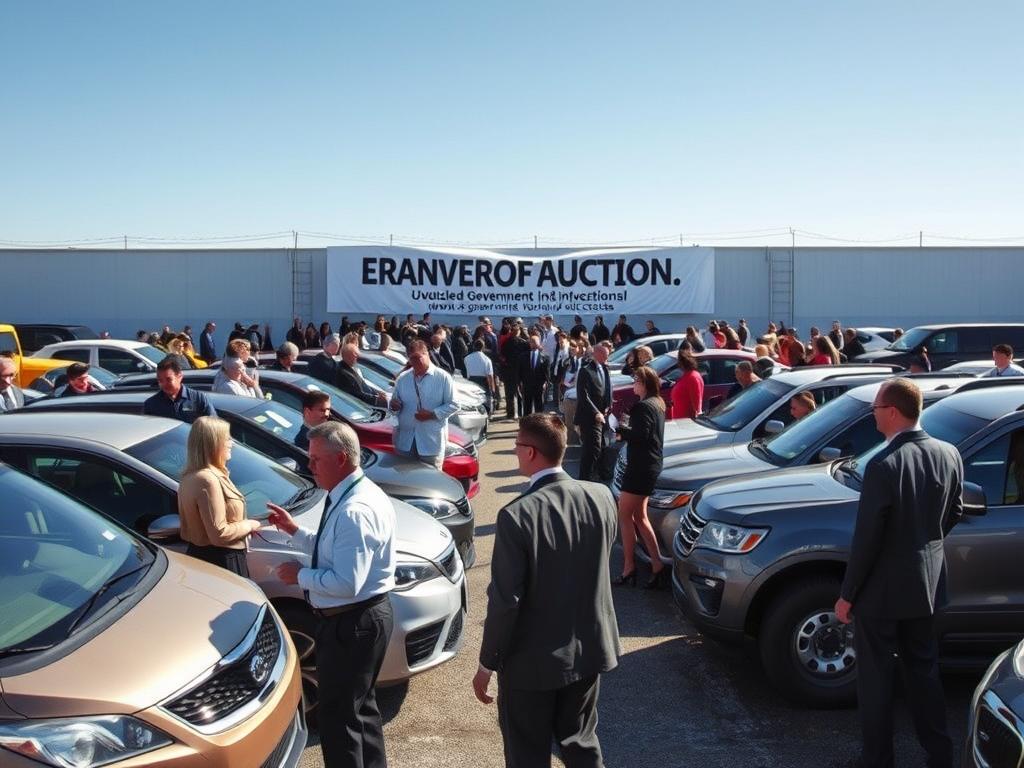

You’ve likely heard about government car auctions and the potential to snag a great deal on a vehicle. But what exactly are they, and how can you participate?
Government surplus auctions offer a wide range of high-quality used vehicles at a fraction of their retail prices. To take advantage of these deals, you need to know how to register for car auctions and bid effectively.
By understanding the process of government car auctions near you, you can drive away in a legitimate vehicle at a significantly lower price.
Key Takeaways
- Government car auctions offer high-quality used vehicles at discounted prices.
- You can find government car auctions near you by searching online.
- Registering for car auctions is the first step to participating.
- Understanding the bidding process is crucial to winning a vehicle.
- Legitimate vehicles are available through government surplus auctions.
What Are Government Car Auctions?
Government agencies regularly hold car auctions to sell off vehicles that are no longer needed or have been seized. These auctions provide a unique opportunity for buyers to purchase vehicles at competitive prices.
Types of Government Auctions
Government car auctions can be categorized into different types based on the level of government involved.
Federal Auctions (GSA, IRS, U.S. Marshals)
These auctions are conducted by federal agencies such as the General Services Administration (GSA), Internal Revenue Service (IRS), and U.S. Marshals Service. They typically feature a wide range of vehicles, including seized assets and surplus government fleet vehicles.
State and Local Government Auctions
State and local governments also hold car auctions to dispose of surplus or seized vehicles. These auctions can include police cars, fleet vehicles, and other government-owned automobiles.
Why Vehicles End Up at Government Auctions
Vehicles are sold through government auctions for various reasons.
Seized Assets and Forfeitures
Some vehicles are seized by law enforcement agencies due to criminal activities or non-payment of taxes. These vehicles are then sold at auction to recover losses.
Surplus Fleet Vehicles
Government agencies often have fleets of vehicles that are used for official purposes. When these vehicles become surplus to requirements, they are sold at auction.
Government car auctions offer a diverse range of vehicles, from seized assets to surplus fleet vehicles, providing buyers with opportunities to purchase vehicles at competitive prices.
Benefits of Buying from Government Car Auctions
The benefits of participating in government car auctions extend beyond just financial savings. You can gain access to a wide range of vehicles, often with detailed histories, and purchase them at competitive prices.
Cost Savings Potential
One of the primary advantages of government car auctions is the potential for significant cost savings. Vehicles are often sold at prices below market value, making them attractive to budget-conscious buyers. You can find great deals on used cars, potentially saving thousands of dollars compared to buying from a dealership.
Vehicle Quality and Condition
Contrary to common misconceptions, many vehicles sold at government auctions are of high quality and in good condition. Government agencies typically maintain their vehicles well, and the auction process often includes detailed descriptions and inspection reports. This transparency helps you make informed purchasing decisions.
Transparency and Legitimacy
Government car auctions are known for their transparency and legitimacy. The auctions are usually conducted openly, with clear rules and regulations. You can trust that the process is fair and that you’re getting a legitimate deal. This transparency also extends to the vehicle’s history, which is often provided in detail.
Finding Government Car Auctions Near You
You can discover government car auctions in your area by leveraging online auction resources and keeping an eye on local government announcements. The process involves utilizing various online platforms and staying informed about upcoming auctions.
Online Resources and Websites
Several online resources can help you find government car auctions. These include:
Government Auction Platforms
Websites like GovDeals specialize in government auctions, listing vehicles from various government agencies. These platforms provide detailed information about the vehicles, including their condition and starting bid prices.
Third-Party Auction Listings
Third-party websites aggregate government auction listings, making it easier to search across multiple auctions at once. These sites often provide filters and alerts to help you find the right auction.
Local Government Announcements
Local government announcements are another valuable resource. Many government agencies post notices about upcoming auctions on their websites or through local newspapers.
Auction Aggregator Services
Auction aggregator services compile listings from multiple sources, providing a one-stop-shop for finding government car auctions. These services can save you time and effort in your search.
Government-Car-Auctions-How-To-Register-And-Bid: The Complete Process
Understanding how to register and bid at government car auctions is crucial for securing the vehicle you want. The process involves several key steps that you must complete to participate successfully.
Registration Requirements
To start, you’ll need to create a bidder account on the auction platform. This typically involves providing basic information such as your name, contact details, and possibly your bidding preferences.
Creating Bidder Accounts
Creating a bidder account is usually straightforward and can be done online. You’ll need to fill out a registration form with your personal details and may need to verify your identity.
Identity Verification Steps
Identity verification is a critical step to ensure the security and legitimacy of the auction process. You may be required to provide identification documents such as a driver’s license or passport.
Documentation Needed
In addition to creating an account, you’ll need to provide necessary documentation. This can include proof of address and, if applicable, business credentials.
ID and Proof of Address
You’ll typically need to provide a valid form of ID and proof of address, such as a utility bill or bank statement.
Business Credentials (If Applicable)
If you’re bidding on behalf of a business, you’ll need to provide relevant business credentials, such as a business license or tax identification number.
Fees and Deposits
Some government car auctions may require you to pay registration fees or deposits to participate. It’s essential to understand whether these fees are refundable or non-refundable.
Refundable vs. Non-Refundable Fees
Refundable fees are returned if you don’t win a bid, while non-refundable fees are kept regardless of the outcome. Make sure you understand the fee structure before registering.
By following these steps and understanding the requirements, you can successfully register and bid at government car auctions.
Pre-Auction Research: Doing Your Homework
Researching before you bid can save you from potential pitfalls at government car auctions. To make an informed decision, you need to understand the process and the vehicles being auctioned.
Researching Available Vehicles
Start by reviewing the auction listings carefully. Reading auction listings effectively is crucial to understanding the vehicle’s condition, features, and any other relevant details.
Reading Auction Listings Effectively
Look for detailed descriptions, including the vehicle’s make, model, year, mileage, and condition. Pay attention to any notes about damage or needed repairs.
Vehicle History Reports
Obtaining a vehicle history report can provide valuable insights into the vehicle’s past, including previous owners, accidents, and any major repairs.
Where to Get Reports
You can obtain vehicle history reports from services like Carfax or AutoCheck. These reports can help you make a more informed decision.
What to Look For in Reports
Check for any red flags, such as accidents, flood damage, or odometer discrepancies. Understanding the vehicle’s history can help you avoid potential problems.
Setting Your Budget
Before you start bidding, it’s essential to set a realistic budget. Consider not just the purchase price but also additional costs.
Factoring in Additional Costs
Additional costs can include buyer’s fees, registration, and any necessary repairs. Make sure you factor these into your budget to avoid surprises.
By doing your homework, you can navigate government car auctions with confidence and make a smart purchase.
Inspection Process: What to Look For
Before you start bidding, it’s crucial to inspect the vehicle thoroughly to avoid any potential pitfalls. Inspecting vehicles before bidding is essential to identify any potential issues. A thorough inspection can save you from costly surprises down the road.
When and How to Inspect
Most government car auctions provide preview days or times when you can inspect the vehicles. Take advantage of these preview opportunities to examine the vehicles closely.
Preview Days and Times
Check the auction details for the scheduled preview days and times. These are usually listed on the auction website or announced during the auction registration process. Make sure to plan your visit accordingly, as these previews are your chance to assess the vehicle’s condition.
Critical Areas to Check
When inspecting a vehicle, there are several critical areas to focus on:
Exterior and Interior Assessment
- Check the exterior for any signs of damage, such as dents, scratches, or rust.
- Inspect the tires for wear and tear, and ensure they are evenly worn.
- Inside the vehicle, look for any signs of wear, stains, or damage on the seats and carpets.
- Test all electrical components, including lights, radio, and wipers.
Mechanical Inspection Tips
For a more in-depth inspection, consider the following mechanical checks:
- Check the oil and coolant levels.
- Look for any signs of leaks under the vehicle.
- Test the brakes to ensure they are functioning properly.
- If possible, take the vehicle for a test drive to check for any unusual noises or performance issues.
Red Flags to Watch For
During your inspection, be on the lookout for red flags that could indicate major problems:
Signs of Major Damage or Repairs
- Check for any signs of repainting or mismatched paint.
- Look for any evidence of major repairs, such as replaced parts or uneven panel gaps.
- Inspect the vehicle’s frame for any signs of damage or rust.
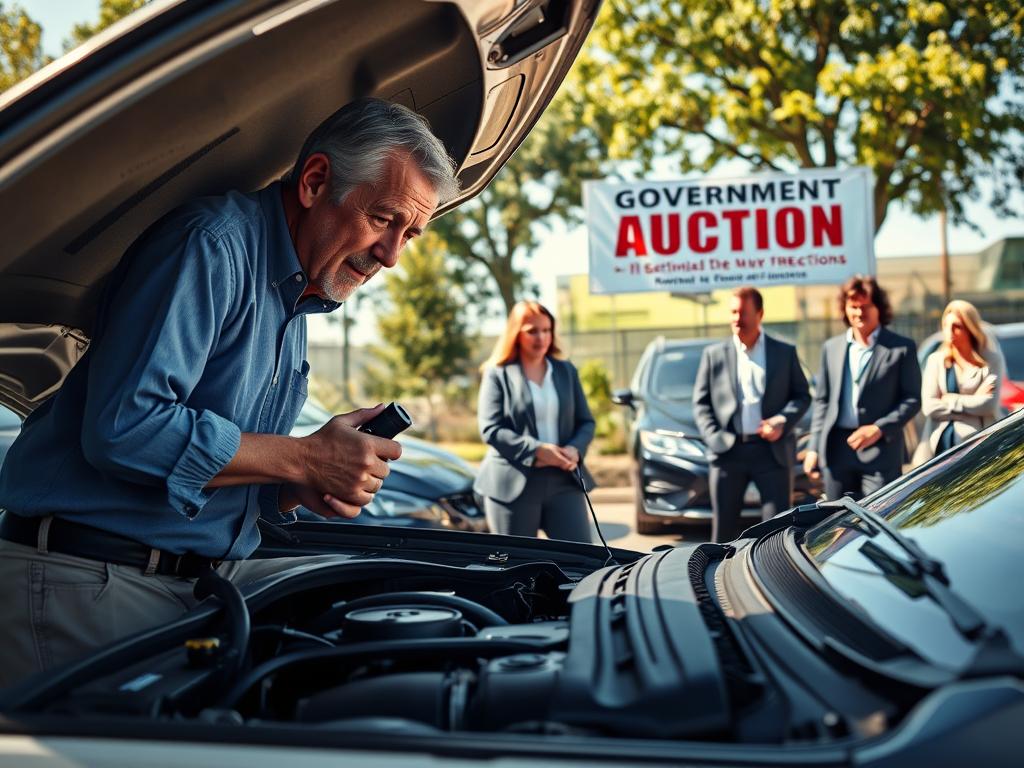
By carefully inspecting the vehicle and being aware of the potential red flags, you can make a more informed decision when bidding at a government car auction. Remember, a thorough inspection is key to avoiding costly surprises and ensuring you get a good deal.
Auction Day Preparation
Being well-prepared on auction day is crucial for navigating the process smoothly and effectively. As you get ready to bid on vehicles at a government auction, there are several key factors to consider to ensure a successful experience.
What to Bring
To participate in the auction, you’ll need to bring certain essential items. These include:
- Essential Documents: Make sure you have all required identification and registration documents.
- Payment Methods: Understand the accepted payment methods and have the necessary funds available.
Having these in order will streamline your check-in process and allow you to focus on bidding.
Arrival Time and Check-in
Plan to arrive early to allow time for check-in and registration. This will give you a chance to review the available vehicles and get settled before the auction begins.
Understanding Auction Rules
Familiarize yourself with the auction rules, including:
- Bidder Numbers and Signals: Understand how bidding is conducted and how to signal your bids.
Knowing these rules will help you navigate the auction process confidently and avoid any misunderstandings.
Bidding Strategies That Work
To succeed in government car auctions, you need effective bidding strategies that can help you win vehicles at favorable prices. Effective bidding strategies can make all the difference between securing a great deal and leaving empty-handed.
Setting Maximum Bids
One of the most critical aspects of a successful bidding strategy is setting a maximum bid. This involves determining the maximum amount you’re willing to pay for a vehicle. Determining the vehicle’s value is crucial in setting a maximum bid. You can research the market value of the vehicle using tools like Kelley Blue Book or NADAguides to ensure you’re not overpaying.
Determining Vehicle Value
To determine a vehicle’s value, consider factors such as its condition, mileage, and any additional features it may have. You can also look at historical sales data for similar vehicles to get an idea of their worth. Being informed about the vehicle’s value will help you make a confident bid.
Reading the Auction Room
Understanding the dynamics of the auction room is vital. This includes identifying serious competitors and gauging their level of interest in the vehicle. By paying attention to body language and bidding patterns, you can make more informed decisions during the auction.
Identifying Serious Competitors
Serious competitors are typically those who are actively engaged in the bidding process, showing clear signs of interest such as frequent bidding or strategic pauses. Recognizing these competitors can help you adjust your bidding strategy accordingly.
Avoiding Bidding Wars
Bidding wars can drive up the price of a vehicle quickly. To avoid getting caught in a bidding war, it’s essential to set a firm maximum bid and stick to it. Additionally, employing strategic timing techniques can help you bid more effectively, potentially deterring others from continuing to bid.
Strategic Timing Techniques
Strategic timing involves carefully choosing when to place your bids. Bidding early can sometimes deter others, while waiting until the last moment can catch competitors off guard. Understanding the auctioneer’s rhythm and the overall tempo of the auction can also inform your timing.
Online vs. In-Person Government Auctions
You can participate in government car auctions either online or in-person, depending on your preference and strategy. Both formats have their advantages and considerations that can impact your bidding experience and success.
Pros and Cons of Each Format
Online auctions offer the convenience of bidding from anywhere, at any time, as long as you have an internet connection. This format is ideal for those with busy schedules or who prefer to avoid the crowds associated with in-person auctions. However, online auctions may lack the immediacy and excitement of live bidding.
In-person auctions, on the other hand, provide a more dynamic experience, allowing you to inspect vehicles before bidding and interact with other bidders. This format can be more engaging but requires physical presence and can be more time-consuming.
Platform-Specific Strategies
Navigating Online Auction Interfaces
When participating in online auctions, it’s crucial to understand the platform’s interface and bidding mechanics. Familiarize yourself with the website or app, and know how to place bids, set maximum bids, and monitor auction progress.
In-Person Auction Etiquette
For in-person auctions, arriving early and being prepared is key. Understand the auction rules, bring necessary documents, and be ready to bid. It’s also important to inspect vehicles thoroughly before the auction.
Security Considerations
Regardless of the format, security is a top priority. Ensure you’re using secure connections for online bidding, and be cautious of potential scams. For in-person auctions, verify the authenticity of the auction and the vehicles being sold.
After Winning: Payment and Paperwork
Winning a bid is just the beginning; you’ll then need to finalize your purchase by completing the required payment and paperwork. This process is crucial for securing your vehicle.
Payment Methods Accepted
Government auctions typically accept various payment methods, including cash, credit cards, and sometimes financing options. It’s essential to check with the auction house beforehand to understand their specific requirements.
Timeframes for Payment
Payment is usually expected shortly after the auction. The exact timeframe can vary, so be prepared to make your payment within the specified deadline to avoid any penalties.
Title Transfer Process
The title transfer process involves transferring the vehicle’s ownership from the seller to you. This requires specific documentation.
Required Documentation
You’ll typically need to provide proof of identity, proof of insurance, and the sale documents provided by the auction house. Ensure you have all necessary documents to facilitate a smooth transfer.
Vehicle Removal Deadlines
After completing the payment and paperwork, you’ll need to remove the vehicle within the specified timeframe.
Transportation Options
You can usually arrange for towing or drive the vehicle away, depending on its condition and your preference. Make sure to comply with the auction’s removal deadlines to avoid additional fees.
Potential Risks and How to Mitigate Them
Understanding the potential risks associated with government car auctions is key to a successful purchasing experience. While these auctions can offer significant savings, they also come with certain risks that buyers should be aware of.
Common Pitfalls
One of the main risks is buying a vehicle “as-is.” This means that the seller is not responsible for any repairs or issues that arise after the sale.
As-Is Purchases
To mitigate this risk, it’s essential to inspect the vehicle thoroughly before bidding. Look for any signs of damage or needed repairs.
Hidden Damage
Some vehicles may have hidden damage that’s not immediately apparent. Using a vehicle history report can help uncover potential issues.
Legal Considerations
Another critical aspect is understanding the legal implications of buying from a government auction.
Title Issues
Ensure that the title is clear and that there are no outstanding liens on the vehicle. Researching the vehicle’s history can help verify this information.
Insurance Requirements
Before bidding, check your insurance options. Some government auctions may require proof of insurance before allowing you to remove the vehicle.
By being aware of these potential risks and taking steps to mitigate them, you can have a more successful and stress-free experience at government car auctions.
Conclusion: Is a Government Auction Right for You?
You now have a comprehensive understanding of government car auctions, including how to register, bid, and win legit vehicles. Government auctions can be a viable option for buying vehicles at discounted prices, but buyers must be informed and prepared.
To determine if a government auction is suitable for you, consider your budget, research capabilities, and willingness to take on potential risks. If you’re looking for a cost-effective way to purchase a vehicle and are comfortable with the auction process, a government auction may be an excellent choice.
Before making a decision, review the key points discussed in this article, from understanding the benefits and risks to navigating the auction process. By being well-prepared, you can confidently participate in a government car auction and potentially drive away in a quality vehicle at a fraction of the cost.
Ultimately, the government auction suitability depends on your individual circumstances and priorities. Take the time to assess your needs, and if you’re ready to take the plunge, you may find that a government car auction is the perfect opportunity to secure your next vehicle.
FAQ
What types of vehicles are typically sold at government car auctions?
How do I find government car auctions near me?
What is the registration process for government car auctions?
Can I inspect vehicles before bidding at a government car auction?
What are the benefits of buying from government car auctions?
What are the risks associated with buying from government car auctions?
Can I buy vehicles online from government car auctions?
What happens after I win a bid at a government car auction?
Are vehicles sold at government car auctions sold “as-is”?
Can I get a vehicle history report for vehicles sold at government car auctions?
What kind of documentation is required to register for a government car auction?
How do I know if a government car auction is legitimate?
Sobre o Autor