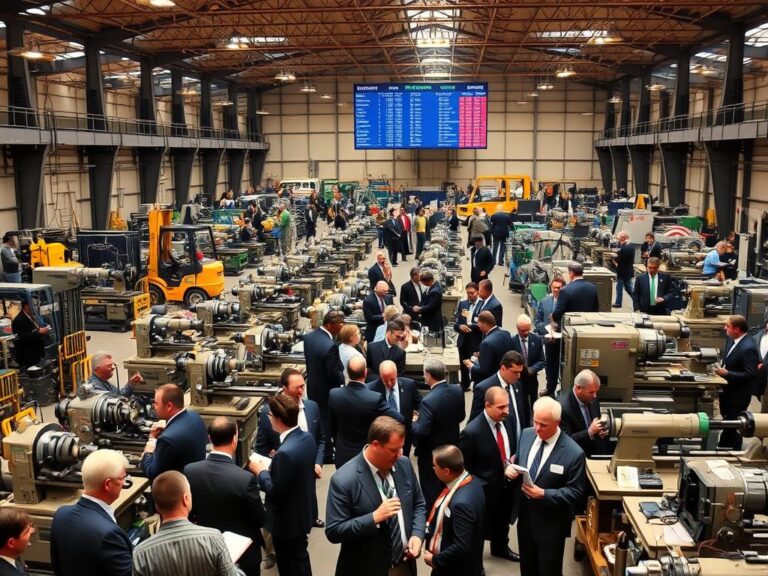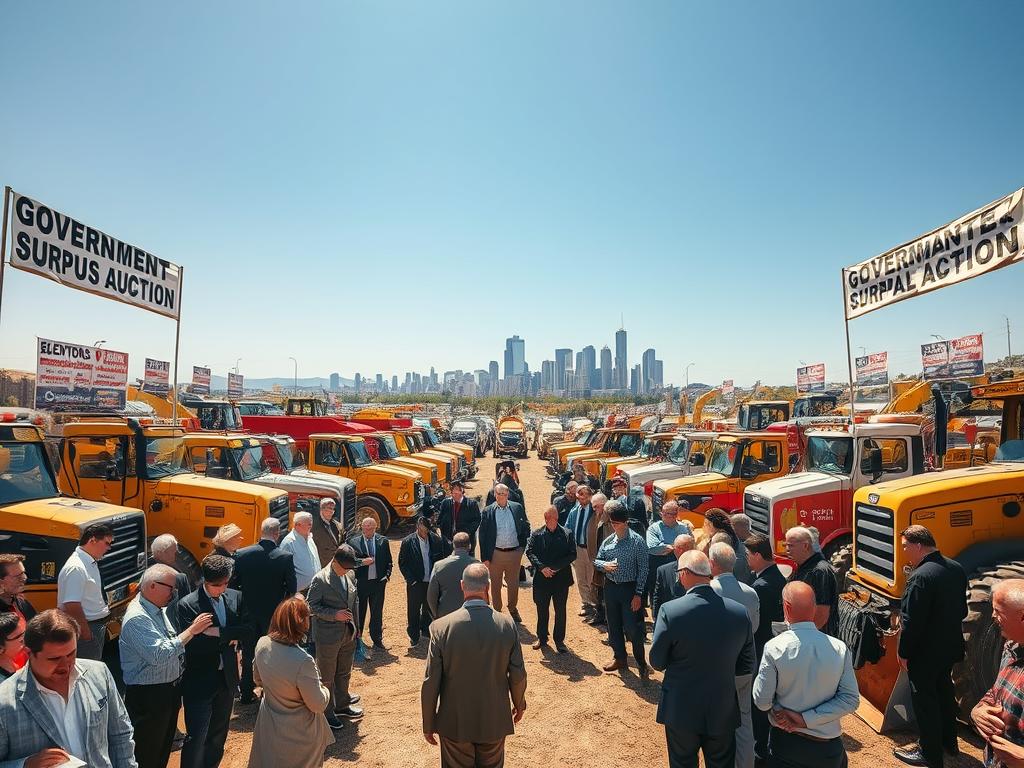

You can find incredible deals on heavy equipment through government surplus equipment auctions. These auctions offer a wide range of machinery, including bulldozers and trucks, at significantly discounted prices.
Government agencies often sell their surplus equipment through online platforms like GovPlanet and Ritchie Bros. to recoup some of their costs. This creates an opportunity for you to purchase high-quality equipment at a fraction of the original price.
By participating in these auctions, you can acquire the heavy equipment you need for your projects or business at a lower cost. It’s essential to research the auction process and understand the terms and conditions before bidding.
Key Takeaways
- Government surplus equipment auctions offer discounted prices on heavy equipment.
- You can find bulldozers, trucks, and other machinery through these auctions.
- Online platforms like GovPlanet and Ritchie Bros host these auctions.
- Researching the auction process is crucial before bidding.
- Purchasing through these auctions can save you a significant amount of money.
What Are Government Surplus Equipment Sales?
The sale of government surplus equipment is a significant market that includes a wide range of heavy machinery and vehicles. This market emerges when government agencies upgrade, downsize, or otherwise dispose of their excess equipment.
How Government Agencies Dispose of Excess Equipment
Government agencies usually dispose of their surplus equipment through public auctions, which can be conducted online or in-person. The General Services Administration (GSA) is a key player in managing these auctions for federal agencies. State and local governments also conduct their own surplus equipment sales.
Types of Heavy Equipment Commonly Available
The types of heavy equipment available through government surplus sales can vary widely. Common items include bulldozers, trucks, cranes, and other construction equipment. These items are often well-maintained and can offer significant savings compared to buying new or from private sellers.
Condition Standards and Classification Systems
Surplus equipment is typically classified based on its condition. Categories can range from “new” or “unused” to “used” or “damaged.” Understanding these classifications is crucial for buyers to make informed decisions. The GSA, for example, uses a specific system to categorize the condition of the equipment being sold.
As noted by a government auction expert,
“The condition of surplus equipment can vary significantly, so it’s essential for buyers to inspect the equipment carefully before bidding.”
This highlights the importance of understanding the condition standards.
Benefits of Purchasing from Government Auctions
When you buy from government auctions, you’re accessing a market that offers substantial savings on heavy machinery. This is particularly beneficial for businesses or individuals looking to acquire bulldozers and trucks without the hefty price tags associated with retail markets.
Price Advantages Compared to Retail Markets
Purchasing from government auctions can result in significant price advantages. For instance, you can find bulldozers and trucks at fractions of their original retail prices. This is because government agencies are looking to dispose of surplus equipment quickly, often at discounted rates.
- Lower purchase prices compared to retail
- Potential for additional savings through auction dynamics
- Direct sales with minimal markup
Quality and Maintenance Standards of Government Equipment
Government equipment is typically well-maintained, as it has been used by professionals and serviced regularly. You can expect a certain level of quality standards in the equipment available through these auctions.
“Government surplus equipment is often better maintained than that sold through other channels, as it has been used in official capacities and regularly serviced.”
Variety of Specialized Bulldozers and Trucks Available
Government auctions offer a diverse range of specialized equipment, including various models of bulldozers and trucks suited for different tasks and industries. This variety ensures that you can find the specific machinery that meets your needs.
Navigating Government-Surplus-Equipment-Auctions Online and In-Person
With multiple auction platforms to choose from, buyers can find excellent deals on surplus government equipment. The process involves understanding the different types of auctions available, both online and in-person.
GSA Auctions and Other Federal Platforms
The General Services Administration (GSA) Auctions is a primary platform for federal government surplus equipment. It offers a wide range of heavy machinery, including bulldozers and trucks. To participate, buyers must register on the GSA Auctions website and follow the bidding instructions. Other federal agencies, such as the Department of Defense, also hold surplus equipment auctions, often through their own websites or through GSA Auctions.
State, County, and Municipal Auction Resources
In addition to federal auctions, state, county, and municipal governments also dispose of surplus equipment through auctions. These can be found through individual government agency websites or through local government announcements. Buyers should be aware that the processes and available equipment can vary significantly between jurisdictions.
Third-Party Auction Services and Aggregators
Several third-party websites aggregate government auction listings, making it easier for buyers to search across multiple platforms. These services can include GovDeals and AuctionZip. While they can be very useful, buyers should be cautious and ensure they understand any fees associated with using these services and verify the authenticity of the auctions listed.
By understanding and utilizing these various auction platforms, buyers can significantly expand their options for finding surplus government equipment at competitive prices.
Registration and Qualification Process
Registering for government auctions is a straightforward process that opens the door to acquiring heavy equipment at discounted prices. To get started, you’ll need to create a bidder account on the relevant government auction platform.
Creating Bidder Accounts on Government Platforms
To create a bidder account, visit the official government auction website, such as the GSA Auctions platform, and follow the registration prompts. You’ll typically need to provide basic information, including your name, contact details, and taxpayer identification number.
Required Documentation and Verification Steps
After creating your account, you’ll need to verify your identity and provide additional documentation, such as:
- Proof of identity (driver’s license or passport)
- Business registration documents (if bidding on behalf of a company)
- Financial information to demonstrate your ability to pay
Special Permits for Purchasing Certain Equipment Categories
Some equipment categories, such as certain vehicles or heavy machinery, may require special permits or licenses. Ensure you understand these requirements before bidding. The auction platform will typically provide information on any necessary permits.
By following these steps, you’ll be well on your way to successfully registering and qualifying to bid at government surplus equipment auctions.
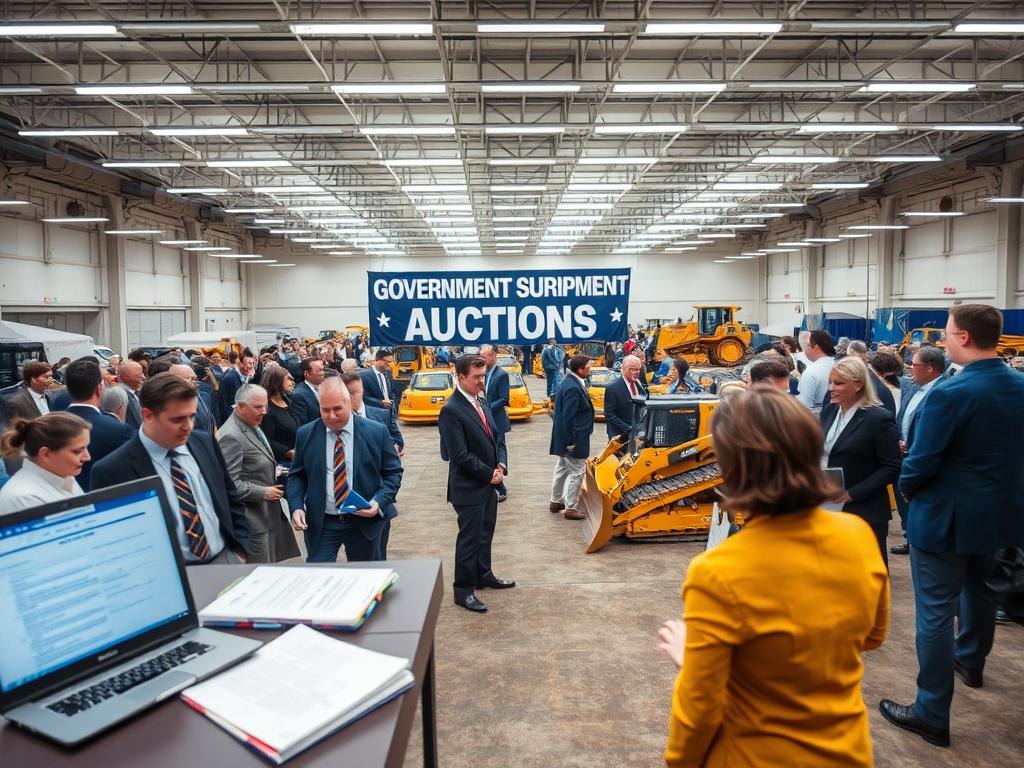
Evaluating Bulldozers and Trucks Before Bidding
Evaluating heavy equipment like bulldozers and trucks before bidding at government surplus auctions can save you from potential financial pitfalls. To make an informed decision, you need to assess the condition, value, and history of the equipment you’re interested in.
Researching Fair Market Values
Before bidding, it’s essential to research the fair market value of the bulldozers and trucks you’re interested in. This involves checking industry price guides, recent sales data, and auction results for similar equipment. You can use online resources like equipment valuation tools or consult with industry experts to get an accurate estimate.
Understanding the fair market value helps you make a competitive bid and avoid overpaying for the equipment. It’s also crucial for determining your maximum bid threshold and ensuring you’re making a profitable investment.
Pre-Auction Inspection Opportunities
Many government surplus equipment auctions offer pre-auction inspections, which allow you to examine the equipment before bidding. Take advantage of these opportunities to inspect the bulldozers and trucks for any signs of damage or wear.
- Check the overall condition of the blade, ripper, and tracks
- Inspect the engine for leaks, damage, or excessive wear
- Examine the hydraulic system for any signs of leakage or malfunction
- Test the controls and operational features
Essential Checks for Surplus Trucks
- Inspect the engine, transmission, and drivetrain for any issues
- Check the condition of the tires, brakes, and suspension
- Examine the body and frame for rust, dents, or other damage
- Test the electrical systems, including lights and accessories
Deciphering Maintenance Records and Equipment History
Reviewing the maintenance records and equipment history is crucial for understanding the condition and potential lifespan of the bulldozers and trucks. Look for records of regular maintenance, repairs, and any major overhauls.
Understanding the equipment’s history helps you identify potential issues and make a more informed bidding decision. It’s also essential for estimating future maintenance costs and ensuring you’re making a sound investment.
Winning Bidding Strategies for Heavy Equipment
Government surplus equipment auctions offer a unique opportunity to purchase heavy machinery at discounted prices, provided you know how to bid effectively. To capitalize on these auctions, you need to understand the intricacies of bidding strategies, including determining your maximum bid threshold, employing timing tactics, and avoiding common mistakes.
Determining Your Maximum Bid Threshold
Before participating in an auction, it’s crucial to research the fair market value of the equipment you’re interested in. This involves checking prices on retail markets, consulting industry reports, and understanding the condition and specifications of the equipment. By doing so, you can set a realistic maximum bid threshold that ensures you don’t overpay.
Timing Tactics for Online and Live Auctions
The timing of your bid can significantly impact your chances of winning. For online auctions, consider bidding in the final minutes to avoid early price escalation. For live auctions, be prepared to act quickly when the bidding starts. Understanding the auctioneer’s rhythm and being ready to bid at the right moment can make a difference.
Avoiding Common Bidding Mistakes and Emotional Purchases
One of the most significant mistakes bidders make is letting emotions dictate their bidding behavior. It’s essential to stick to your predetermined maximum bid and not get caught up in the heat of the auction. Additionally, ensure you understand all the terms and conditions of the sale, including any buyer’s premiums or fees.
Successful Approaches for High-Demand Equipment
For high-demand equipment, such as bulldozers and trucks, the competition can be fierce. To succeed, focus on identifying less competitive auctions or those with less popular items. Being flexible with your equipment preferences and considering alternative models or years can also increase your chances of winning.
By implementing these strategies, you can enhance your bidding experience and increase your chances of securing the heavy equipment you need at a favorable price.
Financial Considerations and Payment Logistics
The process of buying surplus equipment from government auctions requires a thorough understanding of the financial logistics involved. As you prepare to bid on bulldozers and trucks, it’s essential to consider the various financial aspects that come into play.
Accepted Payment Methods and Timelines
Government auctions typically accept various payment methods, including wire transfers, credit cards, and checks. The specific payment terms can vary depending on the auction platform and the selling agency. You should review the auction rules to understand the accepted payment methods and timelines. For instance, some auctions may require immediate payment upon winning, while others may provide a grace period.
Financing Options for Large Equipment Purchases
For large purchases, financing options may be available. Some government auctions partner with financial institutions to offer financing plans for buyers. You should explore these options and understand the terms, including interest rates and repayment schedules. It’s crucial to factor in the total cost of financing when calculating your bid.
Deposit Requirements and Forfeiture Policies
Many government auctions require a deposit to participate in bidding, which is often a percentage of the purchase price. If you win, this deposit is applied to your total cost. However, if you fail to complete the purchase, you risk forfeiting your deposit. Understand the deposit requirements and the consequences of not following through on a purchase.
Calculating Total Cost Including Fees and Taxes
When calculating the total cost of your purchase, consider not just the bid price but also additional fees and taxes. These can include buyer’s premiums, registration fees, and sales taxes. Here’s a list to help you calculate the total cost:
- Bid price
- Buyer’s premium (if applicable)
- Registration fees
- Sales tax
- Transportation costs (if applicable)
By carefully considering these financial aspects, you can make informed decisions when participating in government surplus equipment auctions. Ensure you review all terms and conditions before bidding to avoid any unexpected costs or complications.
Transportation and Logistics After Purchase
The process doesn’t end with winning a bid; transporting your purchased equipment is a critical phase that requires careful planning. After acquiring heavy machinery through a government surplus auction, you must arrange for its transportation to your designated location.
Equipment Pickup Deadlines and Extensions
After winning a bid, you’re typically given a specific timeframe to collect your equipment. This period can vary depending on the auction house or government agency. It’s crucial to adhere to these deadlines or negotiate an extension if needed, as failing to do so may result in additional fees or even forfeiture of your purchase.
Heavy Equipment Transport Options and Costs
Transporting heavy equipment like bulldozers and trucks requires specialized services. You can choose between hiring a professional heavy haulage company or, if feasible, arranging for your own transportation. Costs vary widely based on distance, equipment size, and weight. For instance, oversized loads may require escorts and special permits, increasing costs.
When considering transport options, it’s essential to obtain quotes from multiple providers to compare services and prices. Some companies specialize in specific types of heavy equipment, so ensure you select a service that can handle your machinery’s unique needs.
Required Permits for Moving Bulldozers and Trucks
Moving oversized equipment often necessitates obtaining special permits. These permits ensure compliance with state and federal regulations regarding oversize loads. The permits may specify routes, times of travel, and other conditions to minimize disruption and risk.
Insurance Considerations During Transport
Insurance is a critical aspect of transporting valuable heavy equipment. Ensure that your chosen transport service has adequate insurance coverage. You may also want to consider additional coverage for the equipment during transit, protecting against potential damages or losses.
In conclusion, the logistics of transporting heavy equipment after purchase involves careful planning, from adhering to pickup deadlines to selecting the right transport options and ensuring proper insurance coverage. By understanding these elements, you can ensure a smooth transition of your newly acquired machinery to its new location.
Conclusion
You now understand the benefits and process of buying bulldozers, trucks, and other heavy equipment through government surplus equipment auctions. By purchasing from these auctions, you can acquire high-quality equipment at significantly lower prices than retail markets.
The process involves navigating online and in-person auctions, registering as a bidder, evaluating equipment before bidding, and understanding the financial and logistical considerations. With the right strategy, you can successfully purchase the heavy equipment you need.
Government surplus equipment auctions offer a valuable opportunity for businesses and individuals to acquire heavy equipment at discounted prices. By following the steps outlined in this article, you can confidently explore these auctions and find the equipment that suits your needs.
FAQ
What is government surplus equipment?
Where can I find government surplus equipment auctions?
What types of heavy equipment are commonly available at government surplus auctions?
How do I register to bid at a government surplus equipment auction?
What are the benefits of buying from government surplus equipment auctions?
How do I evaluate the condition of equipment before bidding?
What are the accepted payment methods for government surplus equipment auctions?
How do I transport purchased equipment?
What are the total costs involved in purchasing surplus equipment?
Can I finance my purchase of surplus equipment?
What happens if I don’t pick up the equipment on time?
Sobre o Autor