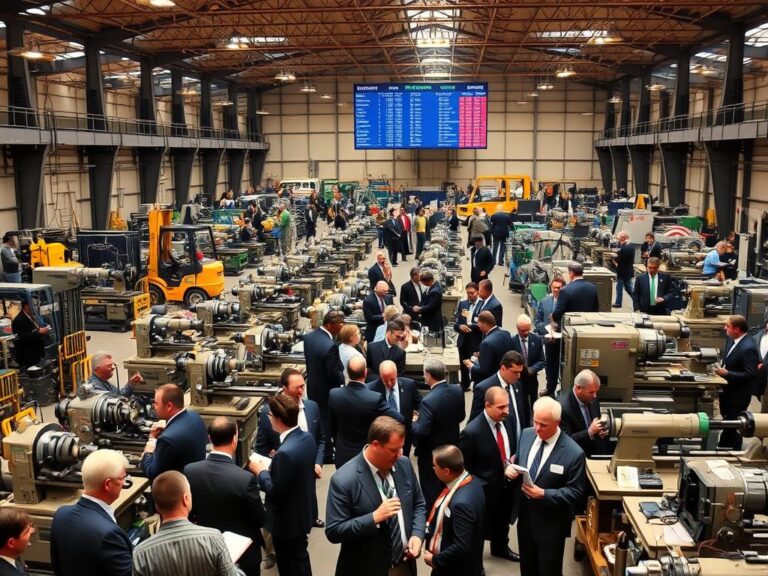

You’re likely no stranger to the world of heavy equipment auctions, where businesses can acquire necessary machinery at significantly lower prices than buying new. Auctions provide a platform for companies to purchase forklifts, cranes, excavators, and other essential equipment from renowned brands like Caterpillar, Komatsu, and Liebherr.
However, navigating the complexities of heavy equipment auctions can be challenging. In addition to the auction price, you need to consider additional fees, such as auction fees, transport costs, and import taxes. Understanding these extra fees is crucial to avoiding unexpected expenses and ensuring a smooth transaction.
Key Takeaways
- Heavy equipment auctions offer a cost-effective way to acquire machinery.
- Renowned brands like Caterpillar and Komatsu are commonly found in auctions.
- Auction fees, transport costs, and import taxes add to the overall expense.
- Understanding these extra fees is crucial for a smooth transaction.
- Careful planning can help you avoid unexpected expenses.
Understanding Heavy Equipment Auctions
When it comes to acquiring heavy equipment, understanding the different types of auctions available is crucial for making informed purchasing decisions. Heavy equipment auctions provide a platform for buyers to purchase machinery and equipment from various sellers, often at competitive prices.
Types of Heavy Equipment Auctions
Heavy equipment auctions can be broadly categorized into two main types: onsite (in-person) and online auctions. In-person auctions allow bidders to inspect the equipment before bidding, providing a tangible experience. On the other hand, online auctions offer the convenience of bidding from anywhere, at any time, expanding the potential buyer pool.
Major Auction Houses and Platforms
Several major auction houses and platforms host heavy equipment auctions, including Ritchie Bros, IronPlanet, and Euro Auctions. These platforms offer a wide range of equipment, from construction machinery to agricultural equipment, catering to diverse industry needs.
Online vs. In-Person Auctions
The choice between online and in-person auctions depends on your specific needs and preferences. Online auctions provide flexibility and a broader reach, while in-person auctions offer the opportunity to inspect equipment before bidding. Understanding the advantages of each can help you make the most of your auction experience.
Pre-Auction Research and Preparation
Successful bidding at a heavy equipment auction starts with comprehensive pre-auction research. To make informed decisions, you need to understand the value and condition of the equipment you’re interested in.
Researching Equipment Values and Condition
Begin by checking the equipment’s history, maintenance records, and current market value. You can use online resources, such as equipment valuation guides and auction house catalogs, to gather this information. Verify the equipment’s condition by inspecting it personally or reviewing detailed inspection reports.
Setting Your Budget with All Costs in Mind
When setting your budget, consider not only the purchase price but also additional costs such as auction fees, transport expenses, and potential repairs. Create a detailed budget plan that accounts for these expenses to avoid financial surprises.
Creating a Pre-Bidding Checklist
Develop a pre-bidding checklist to ensure a systematic approach to auction participation. Your checklist should include:
- Researching equipment values and condition
- Setting a realistic budget
- Reviewing auction terms and conditions
- Inspecting equipment before bidding
By following these steps, you can confidently participate in heavy equipment auctions and make informed purchasing decisions.
Breaking Down Auction Buyer’s Premiums
The buyer’s premium is a significant component of the total cost in heavy equipment auctions, and understanding how it works can help you make informed decisions. When you win an auction, the buyer’s premium is added to your winning bid, increasing the total amount you pay.
Standard Premium Rates by Auction House
Different auction houses charge varying buyer’s premiums, typically ranging from 5% to 15% of the winning bid. For instance:
- Caterpillar’s auction platform might charge a 10% buyer’s premium.
- Ritchie Bros. Auctioneers often applies a buyer’s premium around 12%.
- IronPlanet may have different premium rates depending on the specific auction.
How Buyer’s Premiums Are Calculated
The buyer’s premium is usually calculated as a percentage of the winning bid price. For example, if you win a piece of equipment for $100,000 and the buyer’s premium is 12%, you’ll pay an additional $12,000, making your total cost $112,000.
Negotiating Premiums for Large Purchases
For significant purchases, it’s sometimes possible to negotiate the buyer’s premium with the auction house. This can lead to substantial savings. It’s essential to understand the auction house’s policies and be prepared to discuss potential reductions for large or multiple item purchases.
Additional Auction Fees to Consider
Beyond the buyer’s premium, several other fees can significantly impact the total cost of purchasing heavy equipment at an auction. These additional costs can vary depending on the auction house, the type of equipment, and the specifics of the transaction.
Documentation and Transfer Fees
Documentation and transfer fees are charges associated with the processing and transfer of ownership for the purchased equipment. These fees can include costs for title transfer, registration, and other paperwork necessary to finalize the sale. For instance, a buyer might be charged a documentation fee ranging from $50 to $500, depending on the auction house and the complexity of the transaction.
Storage and Yard Fees
Storage and yard fees are incurred when purchased equipment is not removed from the auction site within a specified timeframe. These fees can accumulate quickly, especially for large or multiple pieces of equipment. For example, a storage fee of $50 per day per piece of equipment can add up to $1,500 in just one month.
Internet Bidding Surcharges
Some auction houses impose internet bidding surcharges for buyers who participate in auctions online. These surcharges can be a flat fee or a percentage of the purchase price. For instance, an auction house might charge a 1% surcharge on the hammer price for online bidders, adding to the overall cost.
To minimize these additional costs, it’s essential to factor them into your budget and plan accordingly. Understanding these fees can help you make more informed decisions during the auction process.
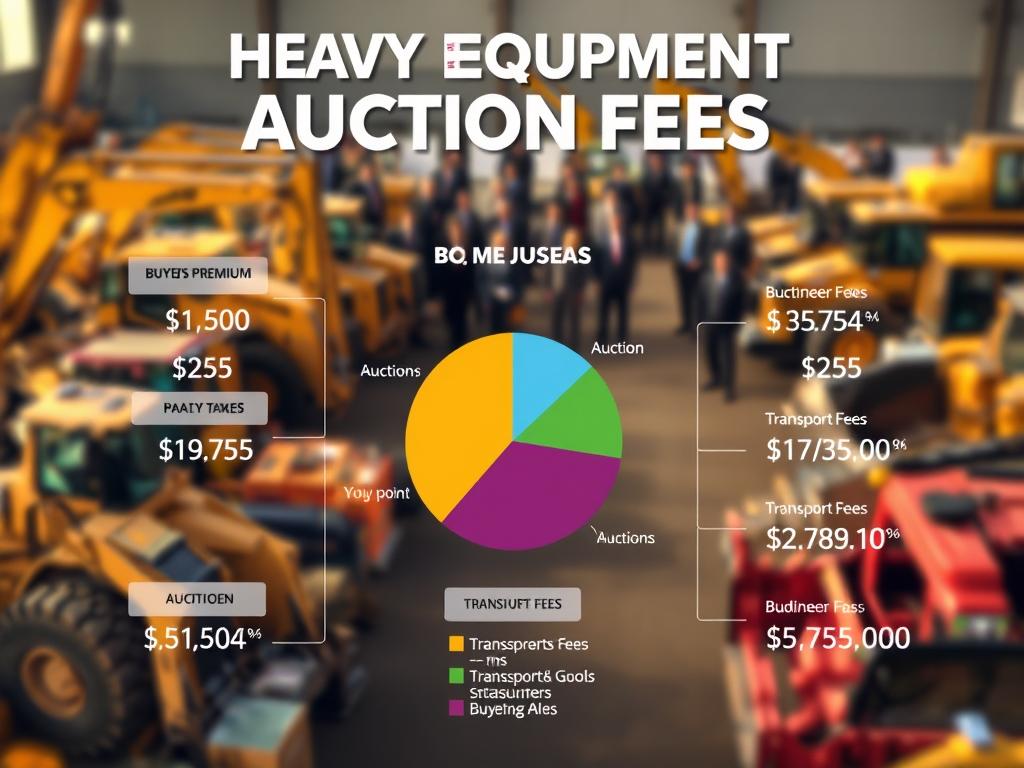
Heavy Equipment Auction Fees and Costs: Complete Breakdown
To avoid surprises, it’s vital to have a comprehensive understanding of the fees involved in heavy equipment auctions. When purchasing heavy equipment at auction, you’re not just paying the winning bid; you’re also responsible for various additional costs.
Typical Fee Structures Across Major Auction Houses
Different auction houses have varying fee structures. For instance, some may charge a higher buyer’s premium but lower documentation fees, while others might have the opposite structure. Major auction houses like Ritchie Bros. and Caterpillar Financial typically charge a buyer’s premium ranging from 5% to 12% of the hammer price.
Hidden Costs to Watch For
Beyond the buyer’s premium, there are other costs to consider. These can include documentation and transfer fees, storage and yard fees, and internet bidding surcharges. Being aware of these hidden costs can help you better budget for your purchase.
Budgeting for Total Auction Expenses
To accurately budget for your heavy equipment purchase, you need to factor in all potential costs. This includes the buyer’s premium, additional fees, and transport costs. Using cost estimation worksheets can help you plan more effectively.
Cost Estimation Worksheets
Cost estimation worksheets are valuable tools for calculating the total cost of your auction purchase. They help you itemize all the expenses, from the buyer’s premium to transportation costs.
Real-World Cost Examples
Let’s consider an example: if you bid $100,000 on a piece of equipment with a 10% buyer’s premium, your total cost would be $110,000 plus any additional fees and transport costs. Understanding these costs can help you make more informed bidding decisions.
Planning for Equipment Transportation
Once you’ve acquired heavy equipment at an auction, planning for its transportation is essential to ensure it arrives safely and on time. The process involves assessing the equipment’s dimensions, obtaining quotes, and scheduling logistics.
Assessing Equipment Dimensions and Weight
Before arranging transportation, you need to accurately measure the equipment’s dimensions and weight. This information is crucial for determining the appropriate transport method and ensuring that the equipment can be safely loaded and transported.
Obtaining Transportation Quotes
To find the best transportation option, you should obtain quotes from multiple transport companies. Be sure to provide each company with the same details about the equipment to ensure accurate and comparable quotes.
Scheduling and Logistics Considerations
Effective logistics planning involves more than just hiring a transport company. You need to consider pickup windows and deadlines, as well as coordinate with the auction house to ensure a smooth transition.
Pickup Windows and Deadlines
Understanding the pickup window and deadline for removing the equipment from the auction site is vital. Missing this deadline can result in additional storage fees.
Coordinating with Auction Houses
It’s essential to communicate with the auction house regarding the removal of your purchased equipment. They can provide guidance on their specific procedures and any associated costs.
By carefully planning the transportation of your heavy equipment, you can avoid unnecessary costs and ensure that your purchase arrives at its destination safely and on schedule.
Domestic Transport Cost Factors
When transporting heavy equipment domestically, several key factors can significantly impact your overall costs. Understanding these factors is crucial for budgeting and planning.
Distance and Routing Considerations
The distance between the auction site and your destination plays a significant role in determining transport costs. Longer distances typically result in higher costs due to fuel consumption, labor, and potential overnight stays for the transport crew. Additionally, the routing can affect costs; for instance, routes that avoid toll roads or construction zones might be longer but could save money and time in the long run.
Specialized Equipment Requirements
The type of equipment being transported often necessitates specialized transport equipment. For example, oversized loads may require trailers with multiple axles or escort vehicles. The need for such specialized equipment can drive up costs.
Permits and Escort Vehicles
Permits are another critical factor in domestic transport costs. Different states have varying regulations regarding oversize loads, which can affect the cost and complexity of obtaining the necessary permits.
Oversize Load Regulations
Oversize load regulations vary by state and can dictate the need for escort vehicles, specific travel routes, and even the time of day for transport. Compliance with these regulations is essential to avoid fines and delays.
State-by-State Permit Variations
Permit requirements can differ significantly from one state to another. Some states may require additional documentation or have specific restrictions on certain types of equipment. Understanding these variations is key to smooth and cost-effective transport.
To manage domestic transport costs effectively, it’s essential to consider these factors and plan accordingly. By doing so, you can better navigate the complexities of heavy equipment transport and keep your costs under control.
- Research and understand the regulations in each state your equipment will pass through.
- Plan your route carefully to minimize additional costs.
- Consider the need for specialized equipment and factor this into your budget.
International Shipping Methods and Costs
International shipping of heavy equipment involves complex decisions, including choosing the right shipping method and navigating various costs. As you explore international heavy equipment auctions, understanding these shipping intricacies is crucial for budgeting and logistical planning.
Container Shipping vs. Roll-on/Roll-off
You have two primary options for shipping heavy equipment internationally: container shipping and roll-on/roll-off (RORO) shipping. Container shipping involves transporting your equipment in a secure, enclosed container, which is ideal for protecting sensitive machinery. On the other hand, RORO shipping allows you to drive your equipment onto a specialized ship, where it’s secured for transport.
When deciding between these methods, consider the following factors:
- Equipment size and weight
- Level of protection required
- Cost considerations
- Destination port capabilities
Port Fees and Handling Charges
In addition to shipping costs, you’ll need to account for port fees and handling charges. These can vary significantly depending on the ports of departure and arrival. Common fees include:
- Terminal handling charges
- Customs clearance fees
- Storage fees (if equipment is held at the port)
Insurance Requirements for Overseas Transport
Protecting your investment during international shipping is critical. Marine insurance provides coverage against loss or damage while your equipment is in transit.
Marine Insurance Basics
Marine insurance typically covers risks such as:
- Natural disasters
- Accidents during loading/unloading
- Theft or pilferage
Coverage Options and Recommendations
When selecting marine insurance, consider the following:
- All-risk coverage for comprehensive protection
- Coverage for general average (contribution to salvage costs)
- War risk insurance (if shipping to high-risk areas)
Working with an experienced marine insurance broker can help you tailor coverage to your specific needs, ensuring your heavy equipment is protected throughout its international journey.
Navigating Import Duties and Taxes
To successfully import heavy equipment, you must comprehend the intricacies of import duties and taxes. This understanding is crucial for managing your budget and ensuring compliance with import regulations.
Harmonized Tariff Schedule Classifications
The Harmonized Tariff Schedule (HTS) is a critical tool for classifying imported goods, including heavy equipment. Accurate classification under the HTS is essential because it determines the rate of duty applicable to your equipment. Misclassification can lead to unexpected costs or delays.
You should familiarize yourself with the HTS chapters and headings relevant to your equipment. The HTS is updated periodically, so it’s vital to consult the latest version.
Country-Specific Import Regulations
Besides the HTS, country-specific import regulations can affect your heavy equipment import. These regulations may include additional requirements or restrictions on certain types of equipment. Researching these regulations is crucial for a smooth import process.
Working with Customs Brokers
Customs brokers play a vital role in the import process. They can help you navigate complex regulations and ensure that your equipment is properly cleared through customs.
Broker Selection Criteria
When selecting a customs broker, consider their experience with heavy equipment imports, their knowledge of relevant regulations, and their ability to communicate effectively.
Typical Brokerage Fees
Brokerage fees can vary depending on the services required. It’s essential to understand these costs upfront to factor them into your overall budget.
Required Documentation Checklist
- Commercial Invoice
- Packing List
- Certificate of Origin
- Bill of Lading or Airway Bill
Ensuring you have the necessary documentation is critical for avoiding delays in the customs clearance process.
By understanding import duties and taxes, correctly classifying your equipment, and working with a reliable customs broker, you can navigate the complexities of importing heavy equipment.
Conclusion: Making Informed Heavy Equipment Auction Purchases
By understanding the various costs associated with heavy equipment auctions, you can make more informed purchasing decisions. As you’ve learned, the total cost of buying heavy equipment at auction goes beyond the winning bid. It includes auction costs such as buyer’s premiums, documentation fees, and potential storage charges.
To navigate these expenses effectively, thorough research and careful budgeting are essential. You should assess the equipment’s value, consider transportation costs, and factor in import duties and taxes if applicable. By doing so, you’ll be better equipped to make smart financial decisions during heavy equipment auctions.
Making informed purchasing decisions in heavy equipment auctions requires a comprehensive understanding of all the costs involved. With this knowledge, you can confidently participate in auctions, avoiding unexpected expenses and ensuring that your purchases align with your budget and business needs.
FAQ
What are the benefits of purchasing heavy equipment through auctions?
What is the difference between online and in-person heavy equipment auctions?
How do I assess the value and condition of heavy equipment before bidding?
What is a buyer’s premium, and how is it calculated?
What additional fees might I encounter during the auction process?
How do I transport heavy equipment after purchase?
What factors affect domestic transport costs for heavy equipment?
What are the differences between container shipping and roll-on/roll-off for international heavy equipment transport?
How do I navigate import duties and taxes when bringing heavy equipment into a country?
What is the role of a customs broker in importing heavy equipment?
FAQ
What are the benefits of purchasing heavy equipment through auctions?
Purchasing heavy equipment through auctions can offer significant cost savings and access to high-quality machinery from reputable brands like Caterpillar and Komatsu.
What is the difference between online and in-person heavy equipment auctions?
Online auctions offer greater flexibility and global participation, while in-person auctions provide the opportunity to inspect equipment before bidding.
How do I assess the value and condition of heavy equipment before bidding?
You can assess the value and condition of heavy equipment by researching market values, inspecting the equipment if possible, and reviewing maintenance records.
What is a buyer’s premium, and how is it calculated?
A buyer’s premium is a fee charged by the auction house, typically ranging from 5-15% of the sale price, and is usually calculated as a percentage of the hammer price.
What additional fees might I encounter during the auction process?
Additional fees may include documentation and transfer fees, storage and yard fees, and internet bidding surcharges, which can vary by auction house.
How do I transport heavy equipment after purchase?
You should assess the equipment’s size and weight, obtain transportation quotes from reputable carriers, and coordinate with the auction house regarding pickup windows and deadlines.
What factors affect domestic transport costs for heavy equipment?
Domestic transport costs are affected by distance, routing considerations, specialized equipment requirements, and permits and escort vehicles.
What are the differences between container shipping and roll-on/roll-off for international heavy equipment transport?
Container shipping offers greater protection and flexibility, while roll-on/roll-off is often more cost-effective for large quantities of equipment.
How do I navigate import duties and taxes when bringing heavy equipment into a country?
You should correctly classify your equipment under the Harmonized Tariff Schedule, understand country-specific regulations, and work with a customs broker to ensure compliance.
What is the role of a customs broker in importing heavy equipment?
A customs broker helps facilitate the import process, ensuring compliance with regulations, and handles necessary documentation, with typical brokerage fees ranging from 0 to
FAQ
What are the benefits of purchasing heavy equipment through auctions?
Purchasing heavy equipment through auctions can offer significant cost savings and access to high-quality machinery from reputable brands like Caterpillar and Komatsu.
What is the difference between online and in-person heavy equipment auctions?
Online auctions offer greater flexibility and global participation, while in-person auctions provide the opportunity to inspect equipment before bidding.
How do I assess the value and condition of heavy equipment before bidding?
You can assess the value and condition of heavy equipment by researching market values, inspecting the equipment if possible, and reviewing maintenance records.
What is a buyer’s premium, and how is it calculated?
A buyer’s premium is a fee charged by the auction house, typically ranging from 5-15% of the sale price, and is usually calculated as a percentage of the hammer price.
What additional fees might I encounter during the auction process?
Additional fees may include documentation and transfer fees, storage and yard fees, and internet bidding surcharges, which can vary by auction house.
How do I transport heavy equipment after purchase?
You should assess the equipment’s size and weight, obtain transportation quotes from reputable carriers, and coordinate with the auction house regarding pickup windows and deadlines.
What factors affect domestic transport costs for heavy equipment?
Domestic transport costs are affected by distance, routing considerations, specialized equipment requirements, and permits and escort vehicles.
What are the differences between container shipping and roll-on/roll-off for international heavy equipment transport?
Container shipping offers greater protection and flexibility, while roll-on/roll-off is often more cost-effective for large quantities of equipment.
How do I navigate import duties and taxes when bringing heavy equipment into a country?
You should correctly classify your equipment under the Harmonized Tariff Schedule, understand country-specific regulations, and work with a customs broker to ensure compliance.
What is the role of a customs broker in importing heavy equipment?
A customs broker helps facilitate the import process, ensuring compliance with regulations, and handles necessary documentation, with typical brokerage fees ranging from $200 to $1,000 or more.
How can I minimize costs when purchasing heavy equipment at auction?
You can minimize costs by thoroughly researching equipment values, setting a realistic budget, and factoring in all potential costs, including auction fees, transport expenses, and import duties.
What are some common hidden costs associated with heavy equipment auctions?
Hidden costs may include additional fees for documentation, storage, and transportation, as well as potential repairs or maintenance required for the equipment.
,000 or more.
How can I minimize costs when purchasing heavy equipment at auction?
You can minimize costs by thoroughly researching equipment values, setting a realistic budget, and factoring in all potential costs, including auction fees, transport expenses, and import duties.
What are some common hidden costs associated with heavy equipment auctions?
Hidden costs may include additional fees for documentation, storage, and transportation, as well as potential repairs or maintenance required for the equipment.
How can I minimize costs when purchasing heavy equipment at auction?
What are some common hidden costs associated with heavy equipment auctions?
Sobre o Autor