
Are you a contractor looking to upgrade your machinery without breaking the bank? Heavy equipment auctions can be the solution you’ve been searching for.
You can find a wide range of machinery at below market price, from construction equipment to farming machinery. By participating in these auctions, you can acquire the equipment you need at a fraction of the cost.
This guide will walk you through the process of navigating heavy equipment auctions and making smart, cost-effective purchases. Whether you’re a seasoned contractor or just starting out, you’ll learn how to find the best deals on the machinery you need.
Key Takeaways
- Discover how to buy machinery at below market price through heavy equipment auctions.
- Learn the benefits of participating in industrial equipment auctions.
- Understand the process of navigating auctions and making cost-effective purchases.
- Find out how to acquire the equipment you need without breaking the bank.
- Get insights into the types of machinery available at heavy equipment auctions.
Understanding the Value of Heavy Equipment Auctions
Participating in heavy equipment auctions can be a savvy business move for contractors seeking to acquire equipment at below-market prices. Heavy equipment auctions offer a platform where contractors can purchase a wide range of machinery, often at significantly lower prices than buying new.
Why Auctions Offer Below-Market Prices
Auctions offer below-market prices due to various factors, including the sale of used, repossessed, or surplus equipment. Sellers aim to liquidate assets quickly, often at discounted rates. This creates an opportunity for contractors to purchase high-quality equipment at a fraction of the original price.
Types of Equipment Available at Auctions
Industrial equipment auctions feature a diverse range of machinery, including:
- Construction equipment, such as excavators and cranes
- Agricultural machinery, like tractors and harvesters
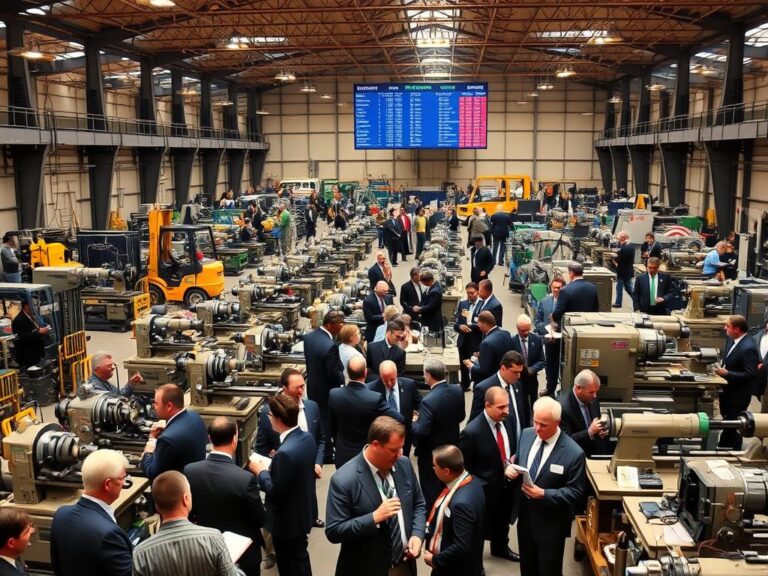
- Manufacturing equipment, including lathes and milling machines
This variety allows contractors to find the specific equipment they need at competitive prices.
Potential Savings for Contractors
Contractors can achieve substantial savings by purchasing equipment through auctions. By buying used or surplus machinery, contractors can reduce their capital expenditures and allocate resources more efficiently. According to industry experts, contractors can save up to 50% on equipment costs by participating in heavy equipment auctions.
By understanding the value of heavy equipment auctions, contractors can make informed decisions about their equipment purchases and maximize their savings.
Heavy Equipment Auctions for Contractors: Types and Formats
Heavy equipment auctions are not one-size-fits-all; they come in various formats to suit different contractor requirements. Understanding these formats can help you make informed decisions when purchasing heavy equipment.
Live On-Site Auctions
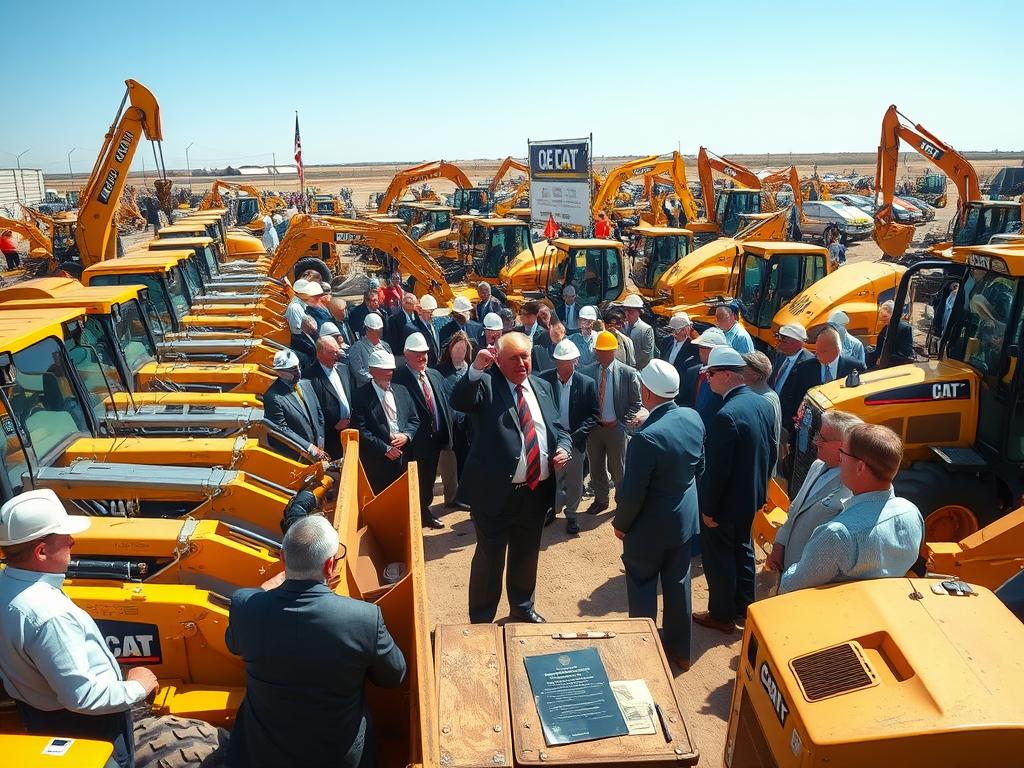
Live on-site auctions are traditional auctions where contractors can inspect and bid on equipment in person. These auctions provide an opportunity to physically examine the equipment, ask questions, and get a feel for the market value.
Online Auctions
Online auctions offer the convenience of bidding from anywhere, at any time. They often feature a wide range of equipment and can be a time-efficient way to browse and bid on heavy equipment.
Hybrid Auction Models
Hybrid auction models combine elements of live and online auctions, offering flexibility for bidders who want to participate either in person or remotely. This format caters to a broader range of contractors.
Sealed Bid Auctions
Sealed bid auctions require bidders to submit their bids in a sealed envelope or electronically by a specific deadline. This format can provide a level of anonymity and is often used for high-value or sensitive equipment sales.
By understanding the different types and formats of heavy equipment auctions, contractors can choose the method that best suits their needs, budget, and preferences.
Finding Legitimate Heavy Equipment Auction Sources
Identifying legitimate heavy equipment auction sources is crucial for contractors looking to expand their fleet without overspending. With numerous auction houses, online platforms, and liquidation sales available, it’s essential to know where to look and how to evaluate these sources.
Major Auction Houses and Platforms
Reputable auction houses and online platforms are a good starting point for contractors. Companies like Ritchie Bros. Auctioneers and IronPlanet have established themselves as leaders in the heavy equipment auction industry. These platforms offer a wide range of equipment, from excavators and bulldozers to cranes and trucks, often with detailed inspection reports and equipment histories.
Industry-Specific Auction Resources
Contractors can also benefit from industry-specific auction resources. For instance, auctions specializing in construction equipment or agricultural machinery can provide a more focused selection. Websites like EquipmentWorld and ConstructionEquipmentGuide often list upcoming auctions and provide resources for buyers.
Government and Municipal Auctions
Government agencies and municipalities frequently auction off surplus or seized equipment. These auctions can be a valuable resource for contractors, offering potentially deep discounts on well-maintained equipment. Websites like GovDeals aggregate government auctions across various categories, including heavy equipment.
Bank and Insurance Liquidation Sales
Banks and insurance companies sometimes liquidate repossessed or damaged equipment. These sales can offer significant savings, but it’s crucial to inspect the equipment carefully, as it may have hidden damage.
“Liquidation sales can be a goldmine for contractors who are willing to do their due diligence,”
notes industry expert John Smith.
By exploring these various sources and conducting thorough research, contractors can find legitimate heavy equipment auction opportunities that meet their needs and budget.
Researching Equipment Before the Auction
To avoid potential pitfalls at a heavy equipment auction, contractors should thoroughly investigate the equipment beforehand. This involves several key steps that can help you make informed decisions and potentially save significant amounts of money.
Determining Fair Market Value
Understanding the fair market value of the equipment is crucial. You can use industry guides, online marketplaces, and auction results to determine this value. Researching similar models and their prices will give you a solid basis for your bidding strategy.
Checking Equipment History and Maintenance Records
Knowing the equipment’s history and maintenance records can reveal potential issues. Look for records from the seller or use services that provide equipment history reports. This information can be invaluable in assessing the condition and value of the equipment.
Setting Your Maximum Bid Price
Based on your research, set a maximum bid price that aligns with the equipment’s value and your budget. Sticking to this limit is crucial to avoid overpaying.
Researching Common Issues for Specific Models
Different models have known issues. Researching these can help you anticipate potential problems and factor them into your bidding decision.
Pre-Auction Inspection Strategies
A thorough pre-auction inspection is your best defense against purchasing problematic heavy equipment. As a contractor, you need to be confident in the condition and value of the machinery you’re bidding on.
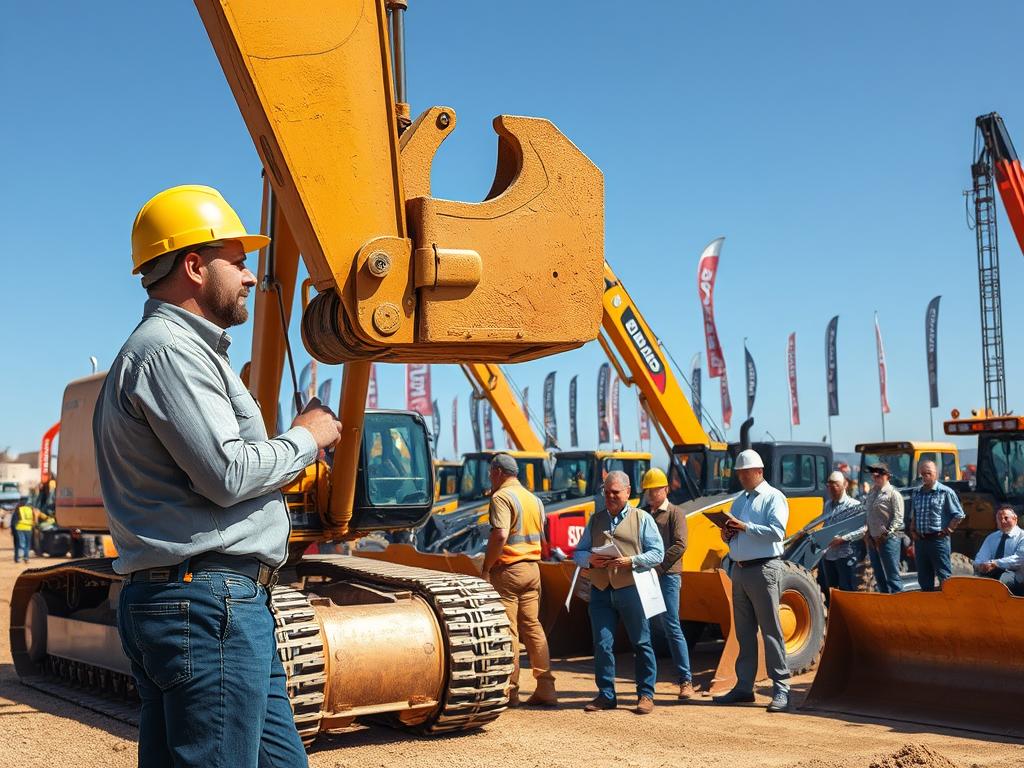
Visual Inspection Checklist
Begin with a visual inspection to identify any obvious signs of wear or damage. Check for:
- Rust or corrosion on metal surfaces
- Signs of leaks or excessive fluid usage
- Wear on tires, tracks, or other moving parts
- Damage to hydraulic systems or other components
Mechanical Assessment Tips
For a more in-depth evaluation, assess the equipment’s mechanical condition. Consider:
- Engine performance and any error codes
- Transmission and drivetrain functionality
- Brake system condition
- Hydraulic system performance
Listen for unusual noises and test operational features to get a comprehensive understanding of the equipment’s condition.
When to Bring a Professional Inspector
If you’re unsure about the equipment’s condition or lack the necessary expertise, consider hiring a professional inspector. They can provide a detailed report on the equipment’s condition, helping you make a more informed bidding decision.
Remote Inspection Options for Online Auctions
For online auctions, rely on detailed descriptions, photos, and videos provided by the auction house. If possible, arrange for a third-party inspection or request additional information from the seller to ensure you’re making an informed bid.
Evaluating Specific Heavy Equipment Types
When evaluating heavy equipment at auctions, it’s crucial to know what to look for in different types of machinery. Each type of equipment has its unique characteristics, features, and potential issues that need to be assessed.
Excavator Inspection Points
Excavators are complex machines with multiple components that require thorough inspection. Key areas to focus on include:
- The condition and integrity of the boom, stick, and bucket
- Hydraulic system performance and leaks
- Tracks and undercarriage wear
- Cab condition and operator controls
Inspect the hydraulic cylinders for signs of wear or damage, as these can be costly to repair or replace.
Loader and Dozer Assessment Guide
Loaders and dozers are essential for various construction tasks. When evaluating these machines, consider:
- Blade condition and hydraulic tilt function
- Tire or track condition and wear
- Loader bucket or dozer blade alignment
- Operator cab visibility and controls
Pay attention to any unusual noises during operation, as these can indicate potential mechanical issues.
Checking Cranes and Lifting Equipment
Cranes and lifting equipment require special attention due to their complex nature and safety-critical applications. Inspect:
- Boom and lattice condition
- Wire ropes and sheaves
- Hoist and winch systems
- Load moment indicator (LMI) system
Verify that all safety features are functioning correctly, as these are crucial for safe operation.
Evaluating Trucks and Transport Equipment
When assessing trucks and transport equipment, focus on:
- Engine condition and performance
- Transmission and drivetrain
- Frame and body condition
- Braking system effectiveness
Check the maintenance records to ensure the vehicle has been properly serviced and maintained.
By following these evaluation guidelines for different types of heavy equipment, you can make more informed decisions at auctions and potentially save on your purchases.
Financial Preparation for Heavy Equipment Auctions
Before participating in heavy equipment auctions, it’s crucial to prepare yourself financially to make the most of the opportunity. As a contractor, being financially ready can help you navigate the auction process more effectively and make informed purchasing decisions.
Understanding Auction Payment Terms
Auction houses typically require immediate payment or a significant deposit upon winning a bid.Understanding the payment termsbefore the auction is vital to avoid any last-minute surprises. Review the auctioneer’s payment requirements and ensure you have the necessary funds available.
Financing Options for Auction Purchases
Exploringfinancing optionscan provide you with the flexibility to purchase equipment at auctions. Some lenders specialize in financing heavy equipment purchases. Research and compare different financing options to find the best fit for your needs.
Budgeting for Additional Costs
In addition to the purchase price, consideradditional costssuch as transportation, maintenance, and potential repairs. Budgeting for these expenses will help you avoid unexpected financial burdens.
Tax Considerations and Potential Write-Offs
Consult with a tax professional to understand thetax implicationsof your purchase and potential write-offs. This can help you make a more informed decision and optimize your financial outcome.
Bidding Strategies That Win Without Overpaying
Understanding the dynamics of heavy equipment auctions is key to developing a winning bidding strategy. To come out on top without overspending, you need to be well-prepared and knowledgeable about the auction process.
Reading the Auction Room
When participating in live auctions, being able to read the auction room can give you a significant advantage. This involves observing other bidders, understanding the auctioneer’s tactics, and recognizing the moment when the bidding is about to escalate. Pay attention to non-verbal cues and be prepared to act quickly when opportunities arise.
Online Bidding Tactics
Online auctions require a different set of strategies. Since you can’t see other bidders, you need to rely on the auction platform’s features and your own research. Use proxy bidding to your advantage by setting a maximum bid and letting the system automatically increase your bid in increments until you reach your limit.
Avoiding Emotional Bidding
One of the biggest pitfalls in auctions is emotional bidding. Getting caught up in the excitement can lead you to overpay for equipment. To avoid this, set hard limits for yourself before the auction starts. Decide on the maximum amount you’re willing to pay and stick to it.
Setting Hard Limits
Setting a hard limit involves determining the maximum bid you’re willing to make based on your research of the equipment’s fair market value. Stick to your limit even if the auction becomes competitive.
Managing Auction Pressure
Auction pressure can be intense, especially in live auctions. To manage this pressure, stay calm and focused. Take deep breaths, and remind yourself of your bidding strategy and limits.
Proxy Bidding and Absentee Bids
For those who can’t attend auctions in person, proxy bidding and absentee bids are valuable options. Proxy bidding allows you to set your maximum bid, and the system will bid on your behalf up to that amount. Absentee bids are similar but may require you to provide your bid in advance. These methods allow you to participate in auctions without being physically present.
Common Pitfalls to Avoid at Heavy Equipment Auctions
When participating in heavy equipment auctions, contractors must be aware of potential pitfalls that can turn a good deal into a financial burden. Understanding these risks can help you make informed decisions and avoid costly mistakes.
Hidden Damage and Repair Costs
One of the most significant risks at heavy equipment auctions is hidden damage that may not be immediately apparent. To mitigate this risk, it’s crucial to inspect the equipment thoroughly before bidding. Look for signs of wear and tear, and check for any documentation regarding maintenance and repairs. Consider hiring a professional inspector if you’re unsure about the condition of the equipment.
Title and Lien Issues
Title and lien issues can complicate the purchase of heavy equipment at auctions. Ensure that you understand the auction house’s policies regarding title transfers and any potential liens on the equipment. Researching the equipment’s history can help you identify any potential issues before they become problematic.
Transportation Challenges
After winning an auction, you’ll need to arrange for the transportation of your new equipment. This can be a logistical challenge, especially for oversized or heavy machinery. Plan ahead by researching transportation options and factoring in the costs to your overall budget.
Buyer’s Premium and Additional Fees
Many auction houses charge a buyer’s premium, which is a percentage of the sale price added to your total cost. Be aware of this fee and any other additional charges, such as documentation fees or taxes, to avoid surprises when finalizing your purchase.
By being aware of these common pitfalls, you can navigate heavy equipment auctions with confidence and secure the machinery you need at a fair price.
Post-Purchase Considerations
After the excitement of winning a bid, contractors must carefully consider several factors following the purchase of heavy equipment at an auction. Ensuring a smooth transition into ownership involves several key steps.
Equipment Transport Planning
Transporting heavy equipment from the auction site to your worksite or storage facility requires careful planning. You should assess the equipment’s dimensions and weight, and determine the most suitable transport method. Consider hiring professional heavy equipment transport services to avoid damage to the equipment and potential road hazards.
Key considerations include ensuring you have the necessary permits, choosing the right transport equipment, and planning the most efficient route.
Initial Maintenance Requirements
Once you’ve taken possession of the equipment, conduct a thorough inspection and address any immediate maintenance needs. This may involve checking fluid levels, inspecting for damage, and performing any necessary repairs. Creating a maintenance schedule based on the manufacturer’s recommendations and your operational demands is crucial.
Documentation and Registration
Proper documentation is essential for legal compliance and operational efficiency. Ensure you have all necessary documents, such as the bill of sale, title, and any other relevant paperwork. Register the equipment with the appropriate state and local authorities as required.
- Verify the documentation provided by the auction house.
- Check for any outstanding liens on the equipment.
- Register the equipment to comply with local regulations.
Warranty and Insurance Options
Understanding your warranty and insurance options is vital for protecting your investment. Check if the equipment is still under manufacturer’s warranty or if the auction house offers any guarantee. Consider purchasing insurance to cover the equipment against damage, theft, or loss.
Reviewing these options carefully can provide peace of mind and financial protection.
Conclusion
You now understand that heavy equipment auctions offer a valuable opportunity for contractors to purchase machinery below market price. By grasping the auction process, researching equipment thoroughly, and employing effective bidding strategies, you can make the most of these auctions.
As a contractor, being informed and prepared is crucial to success in heavy equipment auctions. This involves understanding the different types of auctions, inspecting equipment before bidding, and managing your finances effectively.
By following the guidelines outlined in this article, you can confidently navigate heavy equipment auctions and secure the equipment you need at a price that fits your budget.
FAQ
What are the benefits of buying heavy equipment at an auction?
How do I find legitimate heavy equipment auctions?
What should I research before bidding on equipment at an auction?
How can I inspect equipment before an auction?
What are the key factors to consider when evaluating specific types of heavy equipment?
How should I prepare financially for heavy equipment auctions?
What bidding strategies can help me win auctions without overpaying?
What are common pitfalls to avoid at heavy equipment auctions?
What should I consider after purchasing heavy equipment at an auction?
Can I finance my heavy equipment purchase from an auction?
Are there any tax benefits to buying heavy equipment at an auction?
Sobre o Autor