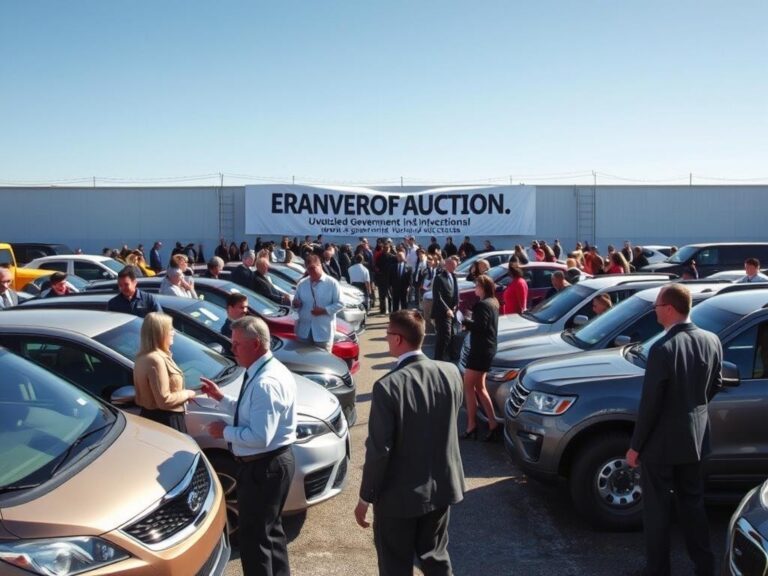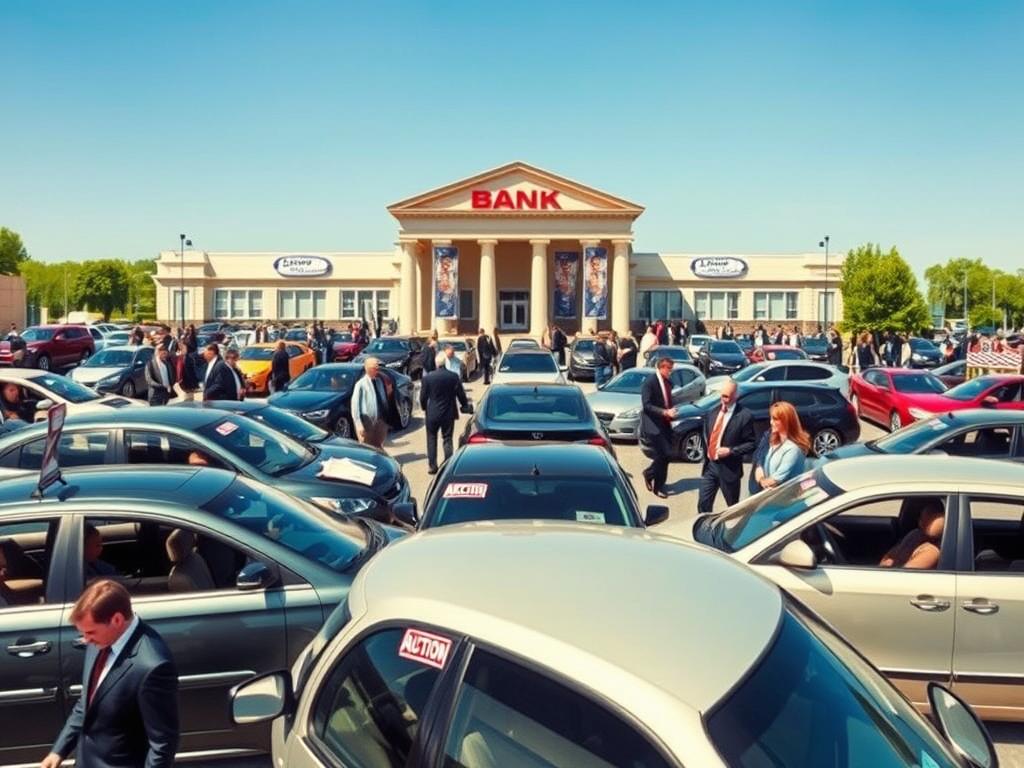

Buying a repossessed car can be a great way to save money, but it requires knowledge of the process to avoid costly mistakes. When banks repossess vehicles, they typically sell them at bank auctions to recover their losses. These auctions can offer significant discounts on quality used cars.
To succeed in buying repossessed cars at these auctions, you need to understand how the process works and where to find the best deals. This guide will walk you through the steps to navigate car auctions effectively, ensuring you make informed purchasing decisions.
Key Takeaways
- Understand the process of buying repossessed cars at bank auctions.
- Research and inspect vehicles before bidding.
- Know how to navigate the auction process to avoid overpaying.
- Be aware of potential hidden fees associated with buying repossessed cars.
- Find the best deals on repossessed cars through thorough market research.
Understanding Repossessed Cars and Bank Auctions
Repossessed vehicles are those that have been taken back by lenders due to the original owner’s failure to keep up with payments. This process occurs when the borrower defaults on their loan, and the lender seizes the vehicle to recover their losses. Repossessed cars can include a wide range of vehicles, from sedans and SUVs to trucks and motorcycles.
What Are Repossessed Cars?
Repossessed cars are vehicles that have been reclaimed by lenders after the original buyer failed to meet their loan obligations. These cars are then sold, often through bank repossession auctions, to recover some of the lender’s losses. The vehicles are typically sold as-is, meaning the buyer assumes all risks associated with the vehicle’s condition.
How Bank Repossession Auctions Work
Bank repossession auctions are events where repossessed vehicles are sold to the highest bidder. These auctions can be a great way to purchase a vehicle at a lower price. The process usually involves registering to bid, inspecting the available vehicles, and then placing bids. It’s crucial to understand the auction rules and terms before participating.
Types of Bank Auctions: Online vs. In-Person
Bank auctions can be conducted either online or in-person. Online auctions offer the convenience of bidding from anywhere, at any time, and can be less intimidating for some buyers. In-person auctions, on the other hand, allow buyers to inspect vehicles more closely and can sometimes lead to more competitive bidding. Both types have their advantages and disadvantages, and the choice between them depends on the buyer’s preference and strategy.
Benefits and Risks of Buying Repossessed Vehicles
Repossessed vehicles can be an attractive option for buyers looking for deals, but they require careful consideration of the associated risks and benefits. When you’re in the market for a new vehicle, exploring repossessed cars at bank auctions can be a viable way to save money. However, it’s crucial to understand the potential advantages and disadvantages before making a purchase.
Potential Cost Savings
One of the primary benefits of buying a repossessed vehicle is the potential for significant cost savings. These vehicles are often sold at a fraction of their original price, making them an attractive option for budget-conscious buyers. The savings can be substantial, but it’s essential to factor in any additional costs, such as repairs or registration fees.
Vehicle Condition Considerations
The condition of a repossessed vehicle can vary greatly, and it’s often sold “as-is.” This means you might not have the opportunity to inspect the vehicle thoroughly before purchasing. It’s crucial to research the vehicle’s history and consider hiring a mechanic to inspect it if possible. Understanding the vehicle condition can help you avoid unexpected repair costs down the road.
Legal and Financial Risks
There are also legal and financial risks associated with buying repossessed vehicles. For instance, you might inherit existing liens on the vehicle or face challenges in registering the car in your name. It’s vital to understand the legal implications and ensure that you’re buying from a reputable source to minimize these risks. Additionally, consider the financial risks, such as the potential for hidden fees or the need for immediate payment.
How to Buy Repossessed Cars at Bank Auctions
Navigating the process of buying repossessed cars at bank auctions requires a clear understanding of the necessary steps and requirements. To ensure a successful purchase, you need to be well-prepared and informed about the process.
Setting Your Budget and Financing Options
Before participating in a bank auction, it’s crucial to set a realistic budget and explore your financing options. Determine how much you can afford to spend on a repossessed car, including any additional costs such as repairs or registration fees. Consider whether you’ll be paying cash or financing your purchase through a lender.
Having a pre-approved loan or a clear understanding of your financial limits will help you make a confident bid. It’s also essential to factor in any additional costs associated with purchasing a repossessed vehicle, such as potential repairs or maintenance.
Finding Legitimate Bank Auctions
To find legitimate bank auctions, start by researching online or contacting local banks to inquire about upcoming auctions. Many banks list their auction schedules on their websites or through local newspapers. You can also check with the bank’s asset management or real estate department to get information on available auctions.
Be cautious of third-party websites that may charge fees for access to auction information. Instead, focus on official bank websites or direct communication with bank representatives to ensure you’re dealing with legitimate auctions.
Required Documentation and Registration
Once you’ve purchased a repossessed car at a bank auction, you’ll need to complete the necessary documentation and registration. This process typically involves transferring the vehicle’s title and registering it in your name.
Necessary Identification
You’ll need to provide valid identification, such as a driver’s license or state ID, to complete the purchase and registration process.
Deposit Requirements
Many bank auctions require a deposit immediately after the auction, with the balance due within a specified timeframe. Be prepared to provide this deposit, and ensure you understand the payment terms.
Payment Methods Accepted
Banks may accept various payment methods, including cash, certified checks, or credit cards. Clarify the accepted payment methods with the bank before the auction to avoid any issues.
By understanding the necessary steps and requirements, you can confidently navigate the process of buying repossessed cars at bank auctions and secure a great deal on your next vehicle.
Researching Vehicles Before the Auction
The key to successfully purchasing repossessed cars at bank auctions lies in thorough research and due diligence. Before you bid on a vehicle, it’s essential to gather as much information as possible about its history, condition, and market value.
Obtaining Vehicle History Reports
One of the first steps in researching a vehicle is to obtain a vehicle history report. This report provides detailed information about the car’s past, including any accidents, previous owners, and service records. You can use services like Carfax or AutoCheck to get these reports.
Using VIN Numbers Effectively
To get a vehicle history report, you’ll need the Vehicle Identification Number (VIN). The VIN is a unique code assigned to every vehicle. By using the VIN, you can uncover the car’s history, including any potential issues. Make sure to check the VIN carefully to avoid any discrepancies.
Red Flags in Vehicle History
When reviewing the vehicle history report, look out for red flags such as:
- Multiple previous owners in a short period
- Accidents or significant damage
- Odometer discrepancies
- Any recalls on the vehicle
These indicators can signal potential problems with the vehicle.
Inspecting Cars Before Bidding
Inspecting the vehicle before bidding is crucial. It allows you to assess the car’s condition and identify any potential issues. Here are some key areas to inspect:
Exterior Inspection Checklist
Check the vehicle’s exterior for:
- Dents or scratches
- Rust spots
- Tire condition
- Proper alignment of body panels
Interior and Mechanical Inspection
Inspect the interior for:
- Signs of wear on seats and carpets
- Functionality of all electronics
- Any unusual odors
For the mechanical inspection, check:
- Engine condition
- Brake pads
- Suspension
When to Bring a Mechanic
If you’re not mechanically inclined, consider bringing a mechanic to inspect the vehicle. A professional can identify issues that you might miss, providing a more accurate assessment of the vehicle’s condition.
Determining Fair Market Value
To avoid overpaying, it’s essential to determine the fair market value of the vehicle. Use pricing guides like Kelley Blue Book to research the car’s value based on its make, model, year, and condition. Compare prices of similar vehicles in your area to ensure you’re getting a fair deal.
By following these steps, you can make an informed decision when buying repossessed cars at bank auctions, ensuring that you get a good deal on a reliable vehicle.
Navigating the Auction Process
Navigating the auction process requires a combination of knowledge, strategy, and self-control. As you prepare to bid on repossessed cars, understanding the intricacies of the auction is crucial to making informed decisions and avoiding costly mistakes.
Understanding Auction Rules and Terms
Before participating in an auction, it’s vital to familiarize yourself with the rules and terms. Each auction may have its own set of regulations, including registration requirements, payment terms, and bidding increments. Carefully review the auction catalog or website to understand these rules to avoid any surprises during the bidding process.
Bidding Strategies That Work
Employing effective bidding strategies can significantly enhance your chances of success. Start by setting a maximum bid limit based on your research and stick to it. Consider starting with a conservative bid to gauge the competition, and be prepared to adjust your strategy as the auction progresses. Stay calm and patient, as auctions can be fast-paced and emotionally charged.
When to Walk Away from a Deal
Knowing when to walk away from a deal is just as important as knowing how to bid effectively. If the bidding exceeds your predetermined limit or if you begin to feel uncertain about the vehicle’s condition, it’s time to reassess. Prioritize your financial security and be willing to walk away if the terms aren’t favorable. This discipline will help you avoid overpaying and reduce the risk of purchasing a vehicle with hidden problems.
Avoiding Overpaying at Bank Auctions
Overpaying for a repossessed vehicle at a bank auction can be avoided with the right approach. To ensure you get the best deal, it’s essential to be informed and strategic in your bidding.
Setting Maximum Bid Limits
Before participating in a bank auction, determine the maximum amount you’re willing to spend on a vehicle. This should be based on your research of the vehicle’s market value, plus any additional costs such as repairs or fees associated with the auction. Sticking to your maximum bid limit helps prevent you from getting caught up in the excitement of the auction and overspending.
Recognizing Auction Fever and Emotional Bidding
Auction fever is a common phenomenon where bidders become overly enthusiastic and lose sight of their budget. To avoid this, stay calm and focused during the bidding process. Remind yourself of your maximum bid limit and don’t let the pressure of competing bidders push you beyond your comfort zone.
Comparing Multiple Auctions for Better Deals
Don’t limit yourself to a single auction. Compare multiple auctions to find the best deals on repossessed vehicles. Different auctions may have different inventories, prices, and bidding dynamics. By comparing, you can identify the most promising opportunities and make a more informed decision.
Timing Your Purchases for Best Deals
The timing of your purchase can significantly impact the price you pay. Consider the end-of-month or end-of-quarter auctions, as banks may be more motivated to clear their inventory during these periods. Additionally, look for auctions with less competition, as this can lead to better deals.
To summarize, avoiding overpaying at bank auctions involves:
- Setting and sticking to a maximum bid limit
- Recognizing and resisting auction fever
- Comparing multiple auctions
- Timing your purchases strategically
By following these strategies, you can navigate bank auctions with confidence and secure a repossessed vehicle at a fair price.
Identifying and Avoiding Hidden Fees
When buying repossessed cars at bank auctions, it’s crucial to be aware of the potential hidden fees that can significantly increase the overall cost. As you navigate the auction process, understanding these additional charges can help you make a more informed decision and avoid unexpected expenses.
Common Hidden Charges at Car Auctions
Car auctions often come with a variety of hidden charges that can add up quickly. Being aware of these fees is the first step in avoiding them.
Administrative Fees
Administrative fees are charges imposed by the auction house for handling the paperwork and other administrative tasks associated with the sale. These fees can vary widely, so it’s essential to factor them into your budget.
Transportation Costs
If you’re not local to the auction, you may need to consider the cost of transporting your purchased vehicle. This can include hiring a transport service or driving the vehicle yourself, potentially incurring fuel and accommodation costs.
Storage Fees
Some auctions may charge storage fees if you don’t pick up your vehicle immediately after the sale. These fees can accumulate quickly, so it’s crucial to understand the storage policies of the auction house.
Buyer’s Premiums and Processing Fees
In addition to the purchase price, you may be required to pay a buyer’s premium, which is a percentage of the sale price added to your total cost. Processing fees are another potential charge, covering the costs associated with processing your payment and finalizing the sale.
“The key to avoiding overpayment is understanding all the fees involved.”
Questions to Ask Before Bidding
To avoid surprises, it’s vital to ask the right questions before you start bidding. This includes inquiring about the fee structure, payment timelines, and title transfer processes.
Fee Structure Questions
Ask about all potential fees, including administrative charges, buyer’s premiums, and any other costs associated with the sale.
Payment Timeline Questions
Understand when and how you need to pay for your vehicle. Some auctions may require immediate payment, while others may offer more flexible terms.
Title Transfer Questions
Clarify the process for transferring the vehicle’s title into your name. Some auctions may handle this process for you, while others may require you to complete the paperwork yourself.
By being informed and prepared, you can navigate the auction process with confidence and avoid the pitfalls of hidden fees.
Post-Purchase Considerations
Once you’ve purchased a repossessed vehicle, several important tasks await, including title transfer, registration, and a thorough inspection. Ensuring these steps are completed correctly will help you enjoy your new vehicle without unexpected issues.
Title Transfer and Registration Process
The first step after purchasing a repossessed car is to handle the title transfer. This process involves obtaining the vehicle’s title from the seller, typically the bank or financial institution that repossessed the vehicle. You’ll need to visit your local Department of Motor Vehicles (DMV) office to complete the transfer. Be prepared to provide the necessary documentation, including the title, bill of sale, and any other required paperwork. The registration process follows, where you’ll need to register the vehicle in your name and obtain new license plates if necessary.
Immediate Inspection and Maintenance
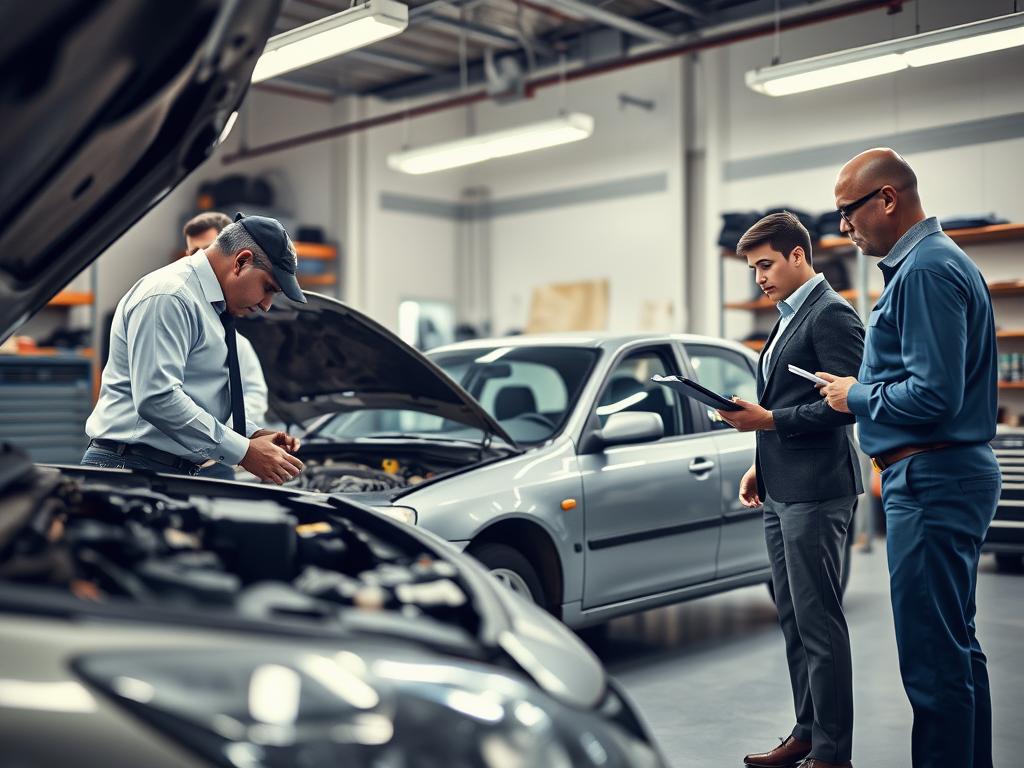
After purchasing, it’s crucial to conduct an immediate inspection of the vehicle. Check for any signs of damage or needed repairs that may not have been apparent during the auction. This includes checking the vehicle’s exterior and interior, engine, and all mechanical systems. Consider hiring a mechanic for a professional inspection if you’re not familiar with cars. Any necessary maintenance should be addressed promptly to prevent further damage.
Insurance Considerations for Auction Vehicles
Securing insurance for your newly purchased repossessed vehicle is essential. Insurance requirements may vary depending on your location and the vehicle’s condition. You’ll need to notify your insurance provider about the new vehicle, providing details such as the make, model, and Vehicle Identification Number (VIN). Consider comprehensive coverage, especially if the vehicle is older or has a high mileage. Some insurance companies offer specialized policies for vehicles purchased at auctions.
By carefully handling the title transfer, registration, inspection, maintenance, and insurance, you can ensure a smooth transition to owning your repossessed vehicle.
Conclusion
Buying a repossessed car at a bank auction can be a great way to save money, but it requires careful research and planning. By understanding the process and being aware of the potential pitfalls, you can navigate the world of bank auctions with confidence.
As you’ve learned, repossessed cars can offer significant cost savings, but it’s crucial to research the vehicle’s history, inspect it thoroughly, and understand the auction rules. With a solid buying guide, you can make an informed decision and avoid overpaying or hidden fees.
To succeed in buying repossessed cars at bank auctions, stay focused on your budget, and don’t get caught up in the excitement of bidding. By following the steps outlined in this guide, you’ll be well on your way to finding a great deal on a repossessed car at a bank auction.
FAQ
What are repossessed cars?
How do bank repossession auctions work?
What are the benefits of buying repossessed cars?
What are the risks associated with buying repossessed vehicles?
How can I research a vehicle before an auction?
What should I consider when inspecting a repossessed car?
How can I avoid overpaying at a bank auction?
What are some common hidden fees at car auctions?
How do I transfer the title and register a repossessed car?
What insurance considerations should I keep in mind for auction vehicles?
Can I finance a repossessed car through the bank?
What should I do immediately after purchasing a repossessed car?
Sobre o Autor