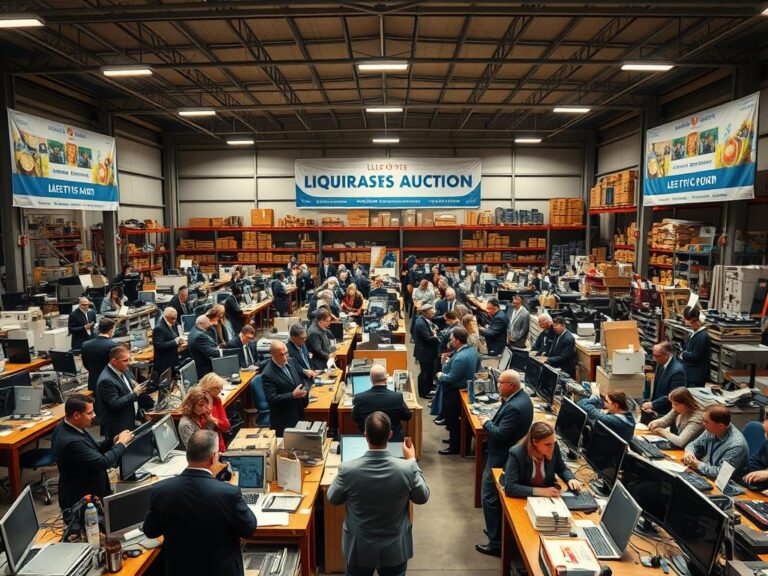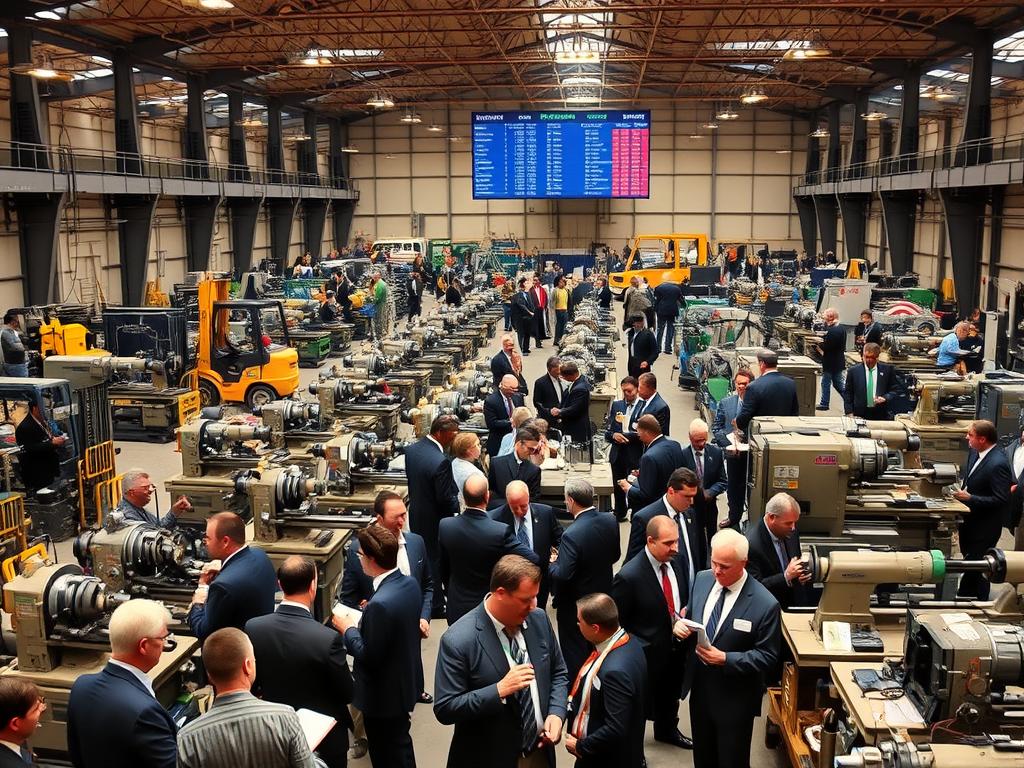

As a manufacturing business owner, you’re constantly looking for ways to reduce costs without compromising on quality. One effective strategy is to explore industrial equipment auctions. Companies like Perfection Global and Rangerbid specialize in providing cost-effective solutions for businesses like yours.
By participating in used machinery auctions, you can acquire the equipment you need at a fraction of the cost of new machinery. This approach not only helps in manufacturing cost reduction but also allows you to upgrade your equipment without breaking the bank.
Key Takeaways
- Industrial equipment auctions offer a cost-effective solution for manufacturing businesses.
- Used machinery auctions can help reduce costs without compromising on quality.
- Companies like Perfection Global and Rangerbid specialize in industrial equipment auctions.
- Participating in auctions can help you acquire new equipment at a lower cost.
- Reducing costs through auctions can help you stay competitive in the market.
The Value Proposition of Industrial Equipment Auctions
Manufacturing businesses can reap substantial benefits from industrial equipment auctions, where cost savings and equipment quality converge. By participating in these auctions, companies can acquire the necessary equipment to maintain or enhance their production capabilities without incurring the high costs associated with new equipment purchases.
Cost Savings Compared to New Equipment Purchases
One of the primary advantages of industrial equipment auctions is the potential for significant cost savings. Compared to buying new equipment, auctions offer a platform where manufacturing businesses can purchase high-quality used machinery at a fraction of the cost. According to industry insights, companies like Rangerbid provide access to a wide range of used equipment, ensuring that buyers can find reliable machinery that meets their needs.
Quality and Availability of Used Manufacturing Equipment
The quality and availability of used manufacturing equipment are crucial factors that contribute to the value proposition of industrial equipment auctions. Auctions typically feature a diverse inventory of used machinery, sourced from various industries and businesses. This diversity increases the likelihood that manufacturing companies will find the specific equipment they need, in good condition, and at competitive prices.
The Current Landscape of Industrial-Equipment-Auctions-Manufacturing
The current state of industrial equipment auctions in manufacturing is characterized by a complex interplay of market forces. As a result, understanding the current landscape is crucial for businesses looking to navigate this market effectively.
Market Trends in Equipment Liquidation
Market trends in equipment liquidation are significantly influencing the industrial equipment auction landscape. Companies are increasingly turning to liquidation auctions as a means to acquire high-quality used equipment at competitive prices. According to industry experts, “The trend towards equipment liquidation is driven by the need for businesses to reduce costs and improve efficiency.” This shift is reshaping the way manufacturing businesses approach equipment acquisition.
Impact of Economic Conditions on Auction Availability
Economic conditions play a crucial role in determining the availability of equipment at auctions. During economic downturns, the supply of used equipment increases as businesses look to liquidate assets. This, in turn, creates opportunities for buyers to acquire equipment at favorable prices. As noted by industry analysts, “Economic fluctuations directly impact the volume and variety of equipment available at auctions.”
Digital Transformation in Equipment Auctions
The digital transformation of equipment auctions is revolutionizing the way businesses participate in these events. Online auction platforms are becoming increasingly popular, allowing buyers to participate in auctions remotely. Companies like Perfection Global are leveraging technology to conduct live webcast and timed-online auctions, expanding the reach and accessibility of industrial equipment auctions. As a result, “The digital landscape is transforming the industrial equipment auction industry, making it more accessible and efficient for buyers and sellers alike.”
Identifying Your Manufacturing Equipment Needs
Understanding your manufacturing equipment requirements is crucial for making informed decisions at industrial equipment auctions. This process involves several key steps that help you make the most out of your investment.
Conducting an Equipment Audit
Begin by conducting a thorough equipment audit to identify what you currently have, what’s in working condition, and what you need to replace or supplement. This audit will help you create a clear picture of your equipment needs.
Prioritizing Purchases Based on Production Bottlenecks
Next, focus on production bottlenecks that are hindering your manufacturing efficiency. Prioritize equipment purchases that will alleviate these bottlenecks, ensuring that your production line operates smoothly and efficiently.
Calculating Potential ROI on Used Equipment
When considering used equipment, it’s vital to perform a ROI calculation to ensure that your investment will yield a positive return. Factor in the cost of the equipment, maintenance, and potential operational savings to determine its viability.
By following these steps, you can make informed decisions when acquiring equipment through auctions, ultimately enhancing your manufacturing capabilities while minimizing unnecessary expenditures.
Finding Reputable Industrial Equipment Auctions
Industrial equipment auctions offer a viable pathway for manufacturing businesses to acquire necessary equipment without breaking the bank. To navigate this landscape effectively, it’s crucial to identify reputable auction sources.
Online Auction Platforms for Manufacturing Equipment
Online platforms have revolutionized the way businesses participate in industrial equipment auctions. These digital marketplaces provide access to a wide range of equipment, often with detailed descriptions and competitive pricing.
Major Online Auction Sites
Companies like Rangerbid and Perfection Global have established themselves as reputable online auction platforms for manufacturing equipment. They offer a broad spectrum of machinery and tools, catering to diverse manufacturing needs.
Industry-Specific Digital Marketplaces
Some online platforms specialize in specific industries, such as construction or metalworking. These niche marketplaces can be particularly valuable for businesses seeking equipment tailored to their sector.
In-Person Auction Events and Liquidations
While online auctions offer convenience, in-person events provide the opportunity to inspect equipment firsthand. Liquidation auctions, in particular, can yield significant savings on used industrial equipment.
- Inspect equipment before bidding
- Competitive bidding environment
- Potential for significant cost savings
Working with Industrial Auction Brokers
Industrial auction brokers can facilitate the process of finding and acquiring equipment. They often have extensive knowledge of the market and can help navigate complex auction processes.
- Research potential brokers
- Understand their fee structures
- Leverage their market expertise
Pre-Auction Research and Preparation
Effective pre-auction research and preparation are the keys to making informed decisions and securing the best equipment at industrial auctions. As a buyer, you need to be well-prepared to navigate the complexities of the auction process and make the most of the opportunities available.
Researching Equipment Market Values
Understanding the market value of the equipment you’re interested in is crucial for making informed bidding decisions. You can research market values by reviewing industry reports, consulting with experts, and analyzing historical auction data. This information will help you determine a fair price for the equipment and avoid overpaying.
Setting Budgets and Bid Limits
Setting a budget and sticking to it is vital for successful bidding. You should determine your maximum bid limit based on your research and financial constraints. It’s also essential to consider additional costs such as transportation, installation, and maintenance when setting your budget.
Creating a Pre-Auction Checklist
A pre-auction checklist helps you stay organized and focused during the bidding process. Your checklist should include tasks such as inspecting the equipment, reviewing auction terms and conditions, and securing financing. By being prepared, you can avoid last-minute surprises and ensure a smooth transaction.
Evaluating Equipment Quality at Auctions
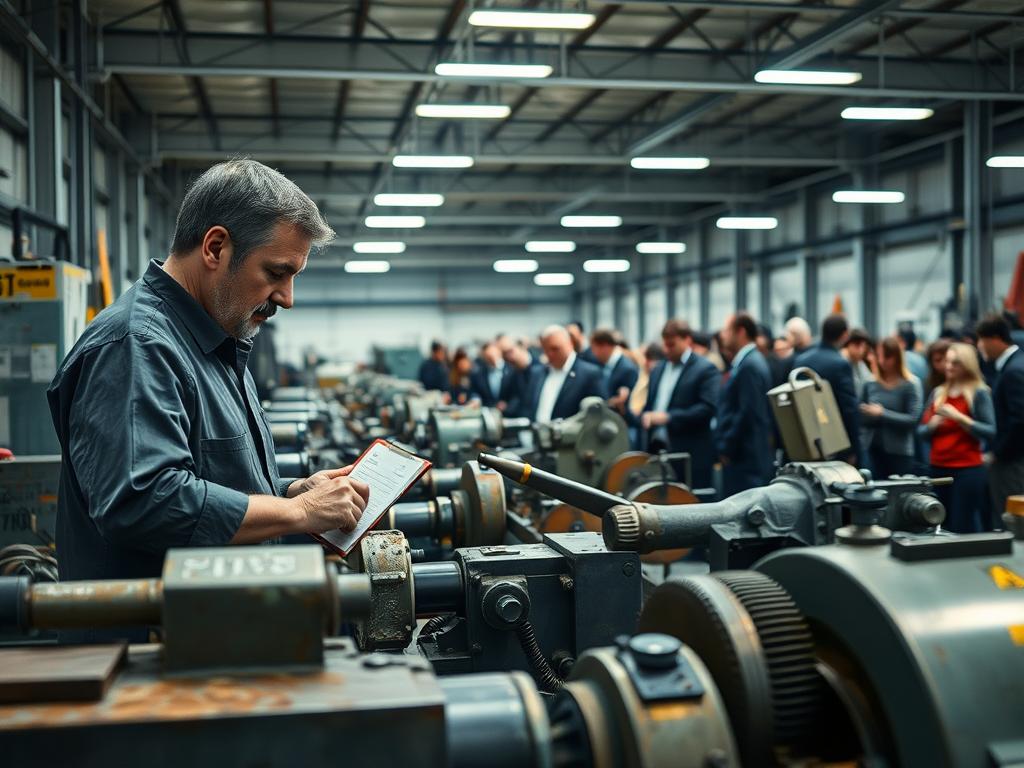
To avoid costly mistakes, it’s essential to thoroughly evaluate the quality of equipment before bidding at industrial equipment auctions. This process involves several critical steps that help you make an informed decision.
Physical Inspection Strategies
A thorough physical inspection is vital when evaluating equipment quality. This involves examining the equipment’s condition, looking for signs of wear, damage, or needed repairs.
Key Components to Examine
- Major Components: Inspect critical parts such as engines, motors, and gearboxes for any signs of damage or excessive wear.
- Control Systems: Check electrical and control systems to ensure they are functioning correctly.
- Structural Integrity: Assess the overall structural condition, including any signs of rust, corrosion, or mechanical damage.
Using Inspection Services
If you’re not experienced in equipment inspection, consider hiring a professional inspection service. These experts can provide a detailed report on the equipment’s condition, helping you make a more informed decision.
Understanding Equipment History and Documentation
Understanding the history and documentation of the equipment is as important as the physical inspection. This includes reviewing maintenance records, previous usage, and any available documentation.
- Maintenance Records: Look for records of regular maintenance and any repairs.
- Usage History: Understand how the equipment was used previously, including the environment it was operated in.
- Compliance Documents: Ensure the equipment complies with relevant regulations and standards.
Red Flags and Deal-Breakers
During your evaluation, be aware of potential red flags that could indicate a problem with the equipment. These include:
- Unusual Noises or Vibrations: These could signify internal damage or wear.
- Visible Damage: Cracks, dents, or other visible damage that could affect performance.
- Lack of Documentation: Missing or incomplete maintenance and usage records.
Being vigilant about these red flags can save you from making a costly purchase.
Developing Effective Bidding Strategies
Crafting a winning bidding strategy is essential for manufacturing businesses looking to reduce costs through equipment auctions. To navigate these auctions successfully, you must understand how to time your bids, differentiate between competitive and value bidding, and know when to walk away.
Timing Your Bids Strategically
Timing is everything in industrial equipment auctions. Strategic bidding involves waiting for the right moment to place your bid, often towards the end of the auction when the competition has been assessed. This approach helps you avoid getting caught up in a bidding war and potentially overpaying for the equipment.
Competitive Bidding vs. Value Bidding
Understanding the difference between competitive bidding and value bidding is crucial. Competitive bidding involves outbidding other participants, which can drive up prices. In contrast, value bidding focuses on paying a fair price based on the equipment’s value to your business. This strategy requires a thorough understanding of the equipment’s market value and your business needs.
When to Walk Away from an Auction
Knowing when to walk away is as important as knowing when to bid. If the price exceeds your budget or the equipment doesn’t meet your needs, it’s time to withdraw. Sticking to your budget and not getting emotionally attached to a particular piece of equipment will help you make rational decisions during the auction process.
By developing effective bidding strategies, you can maximize your chances of success in industrial equipment auctions, ensuring that you acquire the necessary equipment at a cost that aligns with your business goals.
Managing Logistics and Transportation
The process of acquiring equipment through auctions doesn’t end with the bid; it extends to the complex task of logistics and transportation management. Ensuring that your newly acquired equipment is safely transported to your facility is crucial for maintaining production schedules and budgets.
Planning for Equipment Removal
Effective planning for equipment removal is essential to avoid delays and additional costs. You should assess the equipment’s size, weight, and any special handling requirements to determine the appropriate removal methods and necessary equipment.
Transportation and Installation Considerations
Transportation considerations include choosing the right carrier, ensuring proper equipment securing, and complying with transportation regulations. Additionally, installation considerations involve preparing the site, having necessary utilities available, and coordinating with installation experts if needed.
International Shipping Challenges
International shipping adds layers of complexity, including customs clearance, compliance with import regulations, and longer transit times. You must also consider insurance options to mitigate risks associated with international transport.
By carefully managing logistics and transportation, you can ensure that your auction-acquired equipment is delivered and operational in a timely manner, supporting your manufacturing operations and investment return.
Financial Considerations for Auction Purchases
To navigate the complexities of auction purchases, manufacturers must be aware of the various financial considerations involved. Understanding these elements can help you make informed decisions and maximize your return on investment (ROI).
Financing Options for Auction Equipment
You have several financing options when purchasing equipment through auctions. These can include cash payments, financing through third-party lenders, or leasing options. Exploring these alternatives can help you find the most suitable choice for your business needs and budget.
Tax Benefits and Depreciation Strategies
Purchasing equipment at auctions can offer significant tax benefits. You can depreciate the equipment’s value over its useful life, reducing your taxable income. Consulting with a tax professional can help you understand how to maximize these benefits and develop effective depreciation strategies.
Hidden Costs to Anticipate
Beyond the purchase price, there are several hidden costs to anticipate when buying equipment at auctions. These can include buyer’s premiums, transportation costs, and potential repair expenses. Factoring these costs into your budget will help you avoid unexpected financial burdens and ensure a successful transaction.
Refurbishing and Integrating Auction Equipment
When you acquire equipment through industrial auctions, refurbishing and integrating it into your operations is crucial for maximizing your investment. This process involves several key steps that help ensure the equipment is restored to a functional state and seamlessly incorporated into your manufacturing processes.
Assessing Refurbishment Needs and Costs
To begin, you need to assess the refurbishment needs of the acquired equipment. This involves inspecting the equipment thoroughly to identify any damage or wear and tear. You should also consider the costs associated with refurbishment, including parts, labor, and any necessary testing or calibration. By understanding these needs and costs, you can create a realistic budget and timeline for refurbishment.
Finding Qualified Technicians and Parts
Once you’ve assessed the refurbishment needs, the next step is to find qualified technicians who can perform the necessary work. Look for technicians with experience in maintaining and repairing similar equipment. Additionally, sourcing the right parts is crucial; you can find these through original equipment manufacturers, third-party suppliers, or online marketplaces. Ensure that any parts you source are compatible and meet the required standards.
Integrating Used Equipment into Existing Operations
After refurbishment, integrating the used equipment into your existing operations requires careful planning. You need to ensure that the new equipment is compatible with your current machinery and production processes. This may involve training staff on the new equipment, updating maintenance schedules, and making any necessary adjustments to your production line. Effective integration can help minimize downtime and maximize the benefits of your auction purchases.
Case Studies: Manufacturing Success Stories
Success stories from manufacturing businesses highlight the potential of industrial equipment auctions. Manufacturers across the United States have leveraged these auctions to achieve significant cost savings and operational efficiencies.
Small Manufacturers Achieving Cost Reduction
Small manufacturers have successfully used industrial equipment auctions to acquire necessary machinery at a fraction of the cost of new equipment. For instance, a small automotive parts manufacturer saved 60% on a CNC machining center by participating in an online auction. This cost reduction enabled the company to invest in other areas of their business, improving overall competitiveness.
Medium-Sized Business Equipment Acquisition Strategies
Medium-sized businesses have developed strategic equipment acquisition strategies through industrial auctions. A notable example is a medium-sized food processing company that acquired a state-of-the-art packaging line through an auction, enhancing their production capacity by 30%. This strategic move allowed the company to meet growing demand without the hefty investment in new equipment.
Large-Scale Manufacturing Equipment Overhauls
Large-scale manufacturers have also benefited from industrial equipment auctions, using them to overhaul their manufacturing facilities. A leading aerospace manufacturer, for example, acquired several used robotic welding cells through an auction, significantly improving their production efficiency. The manufacturing success stories from such large-scale overhauls demonstrate the potential for auctions to drive significant operational improvements.
Conclusion: Maximizing Your ROI Through Industrial Equipment Auctions
As highlighted throughout this article, industrial equipment auctions offer a viable means for manufacturing businesses to maximize their ROI by acquiring high-quality used equipment at reduced costs. By understanding the value proposition of these auctions, identifying your equipment needs, and developing effective bidding strategies, you can make informed purchasing decisions that drive cost savings and improve operational efficiency.
To maximize your ROI, focus on finding reputable industrial equipment auctions, whether online or in-person, and work with experienced auction brokers who can guide you through the process. Proper pre-auction research, equipment evaluation, and logistics planning are also crucial to ensuring successful transactions.
By leveraging industrial equipment auctions strategically, you can achieve significant cost reductions, upgrade your manufacturing capabilities, and maintain a competitive edge in the market. As you move forward, consider the benefits of integrating used equipment into your operations and the potential for long-term ROI.
FAQ
What are the benefits of using industrial equipment auctions for manufacturing businesses?
How do I identify my manufacturing equipment needs?
Where can I find reputable industrial equipment auctions?
What should I do to prepare for an industrial equipment auction?
How do I evaluate the quality of equipment at auctions?
What bidding strategies can I use during industrial equipment auctions?
What logistical challenges should I anticipate when acquiring equipment through auctions?
What financial considerations should I be aware of when buying equipment through auctions?
How do I refurbish and integrate auction equipment into my existing operations?
What are the market trends in equipment liquidation, and how do they impact auction availability?
How does digital transformation impact industrial equipment auctions?
Sobre o Autor