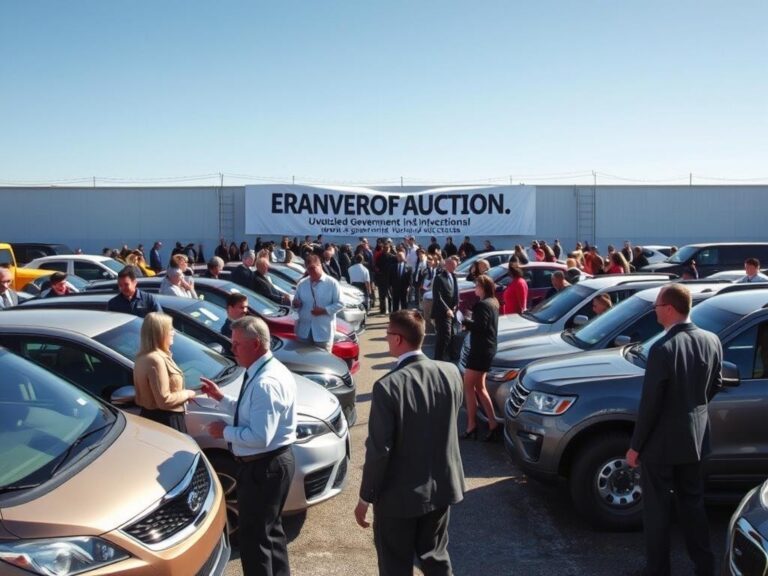

Are you looking for a reliable vehicle at a fraction of the retail price? Police seized car auctions can be a treasure trove for car enthusiasts and bargain hunters alike. These auctions offer a wide range of vehicles that have been seized by law enforcement agencies for various reasons, providing an opportunity to purchase cars at significantly lower prices.
Participating in police seized car auctions requires some knowledge and caution. Understanding the process, including where to find these auctions, how to participate, and the potential legal risks involved, is crucial for a successful transaction.
Key Takeaways
- Understand the process of police seized car auctions and their benefits.
- Learn where to find police seized car auctions in the United States.
- Discover how to participate in these auctions effectively.
- Be aware of the potential legal risks and car auction prices.
- Get a comprehensive buying guide to navigate these auctions.
What Are Police-Seized Car Auctions?
You can find great deals on vehicles through police-seized car auctions, but it’s essential to understand the process. Police-seized car auctions are a result of law enforcement agencies confiscating vehicles due to various illegal activities or because they are no longer needed by the department.
Types of Vehicles Available at Seized Auctions
The variety of vehicles available at police-seized car auctions is quite broad. You can find cars, trucks, motorcycles, and even heavy machinery or boats. These vehicles are often seized due to drug-related crimes, abandonment, or as part of criminal activity forfeitures. The condition of the vehicles can vary significantly, from nearly new to those requiring substantial repairs.
How Vehicles End Up at Police Auctions
Vehicles end up at police auctions for several reasons. Two primary reasons include drug-related seizures and criminal activity forfeitures.
Drug-Related Seizures
Law enforcement agencies seize vehicles used in drug trafficking or other drug-related crimes. These vehicles are then auctioned off to recover the costs associated with law enforcement activities.
Criminal Activity Forfeitures
Vehicles involved in other criminal activities, such as theft or as getaway cars, can also be seized. Once seized, these vehicles are forfeited and subsequently sold at auction.
Understanding the reasons behind vehicle seizures can help you make informed decisions when participating in police-seized car auctions.
Benefits of Buying from Police-Seized Car Auctions
Police-seized car auctions offer a unique opportunity for buyers to purchase vehicles at below-market prices. These auctions provide a platform where various types of vehicles are sold, often at significantly reduced costs.
Potential for Below-Market Prices
One of the primary advantages of buying from police-seized car auctions is the potential to save money. Many cars fetch lower prices than their market value, making these auctions attractive to bargain hunters. You can find great deals on vehicles that are still in good condition.
Wide Variety of Available Vehicles
Police-seized car auctions feature a diverse range of vehicles, catering to different needs and preferences. Whether you’re looking for a luxury car or a practical everyday vehicle, these auctions have something to offer.
Luxury Vehicles
For those interested in high-end cars, police-seized car auctions can be a great place to find luxury vehicles at discounted prices. You might discover rare models or brands that are typically out of your budget.
Everyday Transportation Options
If you’re looking for a reliable car for daily use, you’ll find a variety of everyday transportation options at these auctions. From sedans to SUVs, there’s a wide selection to choose from, often at prices lower than retail.
By exploring police-seized car auctions, you can capitalize on the benefits they offer, including below-market prices and a diverse inventory of vehicles.
Where to Find Police-Seized Car Auctions
Finding police-seized car auctions requires some research, but there are several reliable sources to get you started. You can explore various channels to locate these auctions, ensuring you don’t miss out on potential deals.
Government Auction Websites
Government auction websites are a primary source for police-seized car auctions. Two notable platforms include:
- GSA Auctions: The General Services Administration (GSA) hosts auctions for a wide range of seized vehicles. You can browse their inventory online and participate in auctions.
- GovDeals: GovDeals is another government auction platform that features police-seized vehicles. They provide detailed information about the vehicles and the bidding process.
Local Police Department Announcements
Local police departments often announce upcoming auctions on their websites or through local newspapers. You can check the websites of police departments in your area or contact them directly to inquire about forthcoming auctions.
Third-Party Auction Platforms
Third-party auction platforms also host police-seized car auctions, providing an additional avenue for finding deals. Some popular options include:
- Public Surplus: Public Surplus is a platform that connects buyers with government agencies selling surplus property, including vehicles seized by law enforcement.
- PropertyRoom.com: PropertyRoom.com is another third-party platform that lists police-seized vehicles for auction. They offer a wide selection of vehicles from various law enforcement agencies.
By exploring these resources, you can stay informed about upcoming police-seized car auctions and potentially find a great deal on your next vehicle.
Police-Seized Car Auctions Buying Guide
The key to a successful purchase at a police-seized car auction lies in understanding the registration requirements, payment methods, and auction rules. To participate in these auctions, you must be well-prepared and informed.
Registration Requirements
Before you can bid on a vehicle, you typically need to register ahead of time. This process may involve providing identification and payment information to secure your bidding eligibility. Ensure you understand the registration deadline and required documents to avoid being disqualified.
Payment Methods Accepted
Police-seized car auctions usually accept various payment methods, including cash, credit cards, or bank transfers. It’s crucial to know the accepted payment methods and any associated fees or requirements, such as a buyer’s premium or deposit.
Auction Rules and Regulations
Each auction has its own set of rules and regulations. Familiarize yourself with these rules, including bidding increments, payment terms, and any specific conditions that may apply to the vehicles being auctioned. Understanding these rules will help you navigate the auction process confidently.
By following this buying guide, you can make informed decisions and successfully purchase a vehicle at a police-seized car auction.
How to Research Vehicles Before the Auction
Understanding the history and condition of a vehicle is vital before placing a bid at an auction. To make an informed decision, you need to research the vehicles thoroughly. This involves checking the vehicle’s history reports, inspecting the vehicle before the auction, and setting a maximum bid price.
Vehicle History Reports
Vehicle history reports provide crucial information about a vehicle’s past, including any accidents, previous owners, and outstanding liens. You can use online tools to check these reports.
CarFax and AutoCheck Options
Services like CarFax and AutoCheck offer detailed vehicle history reports. These reports can help you identify potential issues with the vehicle, such as:
- Previous accidents or damage
- Odometer readings and any discrepancies
- Number of previous owners
- Any outstanding liens or recalls
Pre-Auction Inspections
Whenever possible, inspect the vehicle before the auction. This can give you a firsthand look at the vehicle’s condition.
What to Look For
During the inspection, look for signs of wear and tear, check for any needed repairs, and ensure all features are functioning properly. Key areas to inspect include:
- The exterior and body for any damage
- The engine and transmission for leaks or unusual noises
- The interior for any signs of wear or needed repairs
Setting a Maximum Bid Price
Before the auction, determine the maximum amount you are willing to bid on the vehicle. This should be based on your research, including the vehicle’s history and market value.
To avoid getting caught up in the bidding process, stick to your predetermined maximum bid. Consider using online tools to estimate the vehicle’s value and factor in any potential repair costs.
Typical Prices at Police Auctions
The prices at police auctions can be surprisingly low due to the varied condition and history of the vehicles being sold. As you explore these auctions, you’ll notice that the prices are significantly influenced by several key factors.
Factors Affecting Vehicle Pricing
Understanding the factors that affect vehicle pricing at police auctions is crucial to making informed purchasing decisions. Two primary factors are:
- Vehicle Condition: The condition of a vehicle plays a significant role in determining its price. Vehicles that are in better condition, with fewer damages or issues, will generally fetch higher prices.
- Market Demand: Market demand is another critical factor. Vehicles that are in high demand, such as popular models or those with low mileage, tend to sell for higher prices compared to less sought-after models.
Vehicle Condition
The condition of a vehicle is assessed based on its age, mileage, and any damage it may have sustained. Auctions often provide some information about the vehicle’s condition, but it’s up to you to inspect the vehicle thoroughly before bidding.
Market Demand
Market demand fluctuates based on various factors, including seasonality, fuel prices, and consumer preferences. Being aware of current market trends can help you identify good deals.
Average Discounts Compared to Retail
On average, vehicles sold at police auctions can be purchased at discounts ranging from 20% to 50% off their retail prices. However, these discounts can vary widely depending on the factors mentioned above.
To maximize your savings, it’s essential to research the market value of the vehicles you’re interested in and set a maximum bid price accordingly.
The Bidding Process Explained
Understanding the bidding process is crucial for success at police-seized car auctions. The process can vary depending on whether you’re participating in an in-person or online auction. Being well-prepared and knowledgeable about the bidding strategies can significantly impact your chances of securing a vehicle at a favorable price.
In-Person Auction Strategies
When participating in in-person auctions, it’s essential to be prepared. Here are some strategies to consider:
- Arrive early to inspect vehicles before the auction starts.
- Set a budget and stick to it to avoid getting caught up in the excitement of bidding.
- Know the auction rules and registration requirements in advance.
Online Bidding Tips
Online auctions offer the convenience of bidding from anywhere, but they require a different set of strategies:
- Make sure you have a stable internet connection to avoid last-minute technical issues.
- Use the auto-bid feature if available to save time and avoid emotional bidding.
- Keep track of the auction timer to avoid missing the end of the auction.
Common Bidding Mistakes to Avoid
Avoiding common mistakes can save you from potential financial losses. Two significant pitfalls to watch out for are:
Emotional Bidding
Getting emotionally attached to a vehicle can lead to overspending. Stay calm and make rational decisions based on your budget and the vehicle’s value.
Ignoring Hidden Costs
Some auctions may have additional fees or costs associated with the purchase. Make sure you’re aware of all costs involved before placing your bid.
By understanding the bidding process and avoiding common mistakes, you can increase your chances of success at police-seized car auctions.
Legal Considerations and Risks
Understanding the legal aspects of police auctions is vital for a successful purchase. When you buy a vehicle from a police auction, you need to be aware of the potential legal risks involved.
Title Transfer Issues
The process of transferring the title of a vehicle purchased from a police auction can be complex. You must ensure that the auction house provides the necessary documentation to facilitate a smooth title transfer. Verify that the seller provides a clear title; otherwise, you might face difficulties registering the vehicle in your name.
“As-Is” Purchase Implications
Vehicles sold at police auctions are typically sold “as-is.” This means that the seller does not provide any warranties or guarantees about the vehicle’s condition. You should be prepared for potential repairs or issues that may arise after the purchase.
No Warranties or Guarantees
It’s essential to understand that “as-is” sales transfer the risk to you, the buyer. Without warranties, you’ll be responsible for any repairs or maintenance needed after the sale.
Potential Liens and Encumbrances
Another critical consideration is the possibility of outstanding liens or encumbrances on the vehicle. Conduct thorough research on the vehicle’s history to identify any potential issues that could affect your ownership or the vehicle’s value.
To mitigate these risks, it’s crucial to do your due diligence. Research the vehicle’s history, inspect the vehicle thoroughly if possible, and understand the terms and conditions of the sale before bidding.
Post-Purchase Steps
After successfully bidding on a vehicle at a police auction, you’re just getting started with the post-purchase process. The steps you take after buying a vehicle are crucial to ensure a smooth transaction and get the vehicle registered and on the road.
Required Documentation
To finalize the purchase, you’ll need to obtain the necessary documentation. This typically includes the vehicle’s title, a bill of sale, and any other relevant paperwork provided by the auction house or police department. Ensure all documents are in order to avoid any delays in the registration process.
Vehicle Registration Process
Registering your newly purchased vehicle involves submitting the required documentation to your state’s Department of Motor Vehicles (DMV). The specific requirements may vary depending on your location, so be sure to check with your local DMV for the most up-to-date information. It’s also a good idea to verify the registration process before the auction to avoid any last-minute surprises.
Insurance Considerations
Before driving your newly purchased vehicle, you’ll need to secure insurance coverage. Some insurance providers may have specific requirements for vehicles purchased at auction, so it’s essential to shop around and find a policy that meets your needs. Consider consulting with an insurance expert to ensure you’re getting the right coverage.
Special Considerations for Seized Vehicles
Vehicles seized by law enforcement may have unique requirements or restrictions. For instance, some states may require additional documentation or have specific regulations regarding the sale of seized vehicles. Be sure to research any special considerations for your vehicle to avoid potential issues down the road.
Success Stories and Cautionary Tales
Police auctions can be a treasure trove for car buyers, but it’s essential to approach them with caution and thorough research. Many buyers have found great deals, while others have encountered issues with the vehicles.
Real-Life Auction Wins
Some buyers have scored significant bargains at police auctions. For instance, a buyer might purchase a vehicle for a fraction of its market value, only to sell it later for a substantial profit. Success stories often involve thorough research and a bit of luck. Here are a few examples:
- A car bought for $2,000 that’s worth $5,000.
- A vehicle purchased for $1,500 that’s later sold for $3,500.
- A rare model bought for $3,000, with a market value of $6,000.
Lessons Learned from Mistakes
Not all police auction purchases end positively. Some buyers have faced problems such as hidden mechanical issues, title disputes, or unforeseen repair costs. Learning from these mistakes is crucial for future success.
Red Flags That Were Missed
In many cases, buyers later realize they missed certain red flags, such as:
- Not checking the vehicle history report thoroughly.
- Ignoring signs of wear and tear during inspections.
- Failing to research the market value of the vehicle.

By understanding both the successes and the failures, you can better navigate the complex world of police-seized car auctions.
Conclusion
Police-seized car auctions can be a great way to find a reliable vehicle at a lower price, but they require careful consideration and research. As you’ve learned, these auctions offer a wide variety of vehicles, often at below-market prices. However, it’s crucial to understand the potential risks and take necessary precautions.
To make the most of police-seized car auctions, you should thoroughly research the vehicles, understand the auction rules and regulations, and be aware of the potential legal considerations. By doing so, you can find a great deal on a reliable vehicle. Our buying guide has provided you with the necessary tools to navigate this process.
As you consider participating in police-seized car auctions, remember to approach the process with caution and thorough preparation. With the right mindset and knowledge, you can successfully purchase a vehicle at a fraction of its retail price. By following the steps outlined in this article, you’ll be well on your way to making an informed decision when buying from police-seized car auctions.
FAQ
What are police-seized car auctions?
What types of vehicles are available at police-seized car auctions?
How do I find police-seized car auctions in my area?
What are the benefits of buying from police-seized car auctions?
How do I research vehicles before an auction?
What are the typical prices at police auctions?
What are the risks involved in buying from police-seized car auctions?
How do I participate in a police-seized car auction?
What should I do after purchasing a vehicle at an auction?
Can I bid online at police-seized car auctions?
Are there any additional fees associated with buying from police-seized car auctions?
How do I avoid common mistakes when bidding at police-seized car auctions?
Sobre o Autor