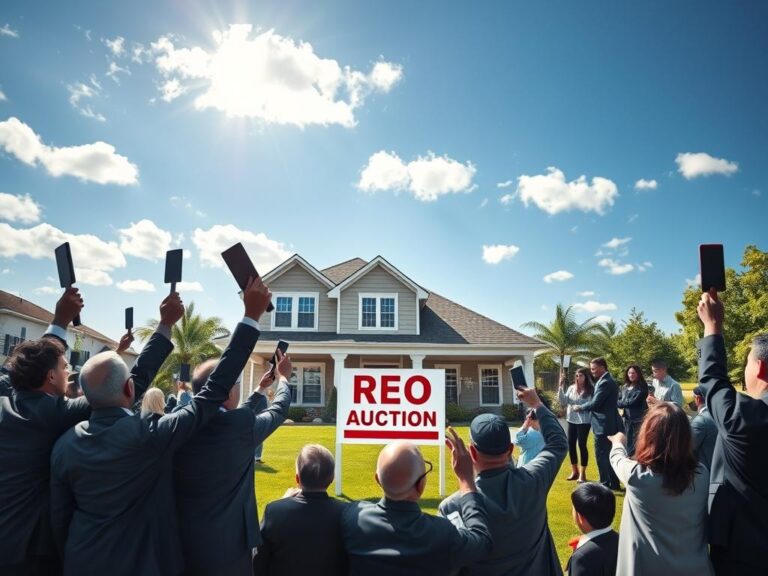

As an investor, you’re likely always on the lookout for opportunities to acquire distressed properties at a discount. One effective way to do this is by leveraging real estate auctions. These online platforms provide a unique chance to purchase properties that are often undervalued and ripe for renovation.
By using real estate auction websites, you can expand your investment portfolio and potentially earn significant returns. These platforms offer a wide range of properties, from residential homes to commercial buildings, allowing you to diversify your investments.
This article will explore the leading real estate auction websites available to investors like you, and provide insights on how to navigate these platforms to find the best deals on distressed properties.
Key Takeaways
- Discover the benefits of using real estate auctions for property investment
- Learn how to navigate leading real estate auction websites
- Understand how to identify undervalued properties at auction
- Explore strategies for successfully bidding on distressed properties
- Get insights into the potential returns on investment for auctioned properties
The Value of Distressed Properties in Investment Portfolios
Distressed properties have become a focal point for investors seeking higher returns in a competitive market. These properties, often available at lower prices due to circumstances like foreclosure or neglect, present an attractive opportunity for investors to achieve substantial returns on investment (ROI).
Why Distressed Properties Offer Higher ROI Potential
Distressed properties offer higher ROI potential primarily due to their lower purchase prices. Investors can acquire these properties at a discount, renovate them, and then sell at a significant profit. This potential for renovation and resale is a key driver of their appeal.
Market Trends Driving Distressed Property Availability
Market trends such as foreclosure rates, economic downturns, and shifts in housing demand drive the availability of distressed properties. Understanding these trends is crucial for investors to identify opportunities.
How Real-Estate-Auction-Websites-for-Investors Work
Investors looking to purchase properties through auctions need to understand how real-estate-auction-websites-for-investors work. These platforms provide a marketplace where buyers can bid on properties, often with the potential for significant savings.
Online vs. In-Person Auction Formats
Real-estate-auction-websites-for-investors offer both online and in-person auction formats. Online auctions provide flexibility and convenience, allowing bidders to participate from anywhere. In-person auctions, on the other hand, offer a more traditional experience, with bidders gathering at a physical location.
Auction Fee Structures and Buyer’s Premiums
Understanding the fee structures and buyer’s premiums associated with real-estate-auction-websites-for-investors is crucial. These fees can vary significantly between platforms, and they impact the total cost of acquiring a property.
Reserve vs. Absolute Auctions: Understanding the Difference
Real-estate-auction-websites-for-investors host both reserve and absolute auctions. Reserve auctions have a minimum price that must be met, while absolute auctions do not, meaning the property sells to the highest bidder regardless of price.
Timeline from Listing to Closing
The timeline from listing to closing on real-estate-auction-websites-for-investors can vary. Typically, it involves a registration process, bidding period, and then closing. Understanding this timeline is essential for planning and executing a successful purchase.
Top Commercial Auction Platforms for Property Investors
For investors looking to expand their portfolios, top commercial auction platforms offer a wealth of opportunities. These platforms provide access to a diverse range of properties, from residential homes to commercial buildings, all in one place.
Auction.com: Features and Property Types
Auction.com is a leading online real estate auction platform that offers a wide variety of properties, including distressed assets, foreclosures, and luxury estates. The platform allows investors to browse listings, participate in auctions, and complete transactions online.
Hubzu: User Interface and Bidding Process
Hubzu is another prominent auction platform that stands out for its user-friendly interface and streamlined bidding process. Investors can easily search for properties, place bids, and track their auction activity in real-time.
Xome: Unique Offerings and Platform Benefits
Xome, formerly known as Xome Auction, offers a unique blend of auction and traditional sales. The platform provides detailed property information and transparent bidding processes, making it a trusted resource for investors.
RealtyBid and Williams & Williams: Specialized Opportunities
RealtyBid and Williams & Williams specialize in various types of auctions, including government and bank-owned properties. These platforms offer investors access to unique opportunities that might not be available elsewhere.
When choosing a commercial auction platform, investors should consider factors such as property selection, user experience, and customer support. By leveraging these top platforms, investors can streamline their property acquisition process and achieve their investment goals.
- Auction.com: Wide variety of properties
- Hubzu: User-friendly interface
- Xome: Detailed property information
- RealtyBid and Williams & Williams: Specialized auction opportunities
Government and Bank-Owned Property Auction Resources
The world of government and bank-owned property auctions is vast and varied, offering numerous opportunities for investors. These auctions provide a platform for purchasing distressed properties at competitive prices, often with significant potential for renovation and resale.
HUD Home Store Navigation Guide
The HUD Home Store is a valuable resource for investors looking to purchase government-backed properties. To navigate this platform effectively, start by creating an account, which allows you to browse and bid on properties. Use the search filters to narrow down listings based on location, property type, and price range. Be sure to review property details carefully, including any available inspection reports.
FDIC and GSA Auction Platforms
The FDIC and GSA auction platforms offer additional government-backed property opportunities. The FDIC auctions often feature properties that were repossessed due to bank failures, while GSA auctions include a wide range of properties, from residential homes to commercial buildings. Both platforms require registration before bidding, and it’s essential to understand the terms and conditions of each auction.
County Tax Sale Websites: Finding and Using Them
County tax sale websites are another resource for investors. These sites list properties that are being sold due to unpaid taxes. To find these websites, search for your target county’s website and look for the tax sale or treasurer’s office section. Be prepared to research properties thoroughly, as tax sale properties often come with specific risks and requirements.
REO Bank Auctions: Direct Access Points
REO (Real Estate Owned) bank auctions feature properties that banks have repossessed due to foreclosure. Many banks list these properties on their websites or through affiliated real estate agents. You can also find REO properties through online real estate platforms that aggregate bank-owned listings.
By exploring these government and bank-owned property auction resources, you can uncover unique investment opportunities and potentially secure properties at below-market prices.
Step-by-Step Registration Process for Auction Websites
The first step in participating in online auctions is completing the registration process. This involves providing necessary information to create your account on the auction website.
Required Documentation and Verification Steps
To register, you’ll typically need to provide personal or business information, including:
- Contact details
- Identification documents
- Proof of address
The exact requirements may vary depending on the auction platform and the types of properties you’re interested in bidding on. Verification steps are crucial to ensure the security and legitimacy of transactions on the platform.
Setting Up Alerts and Saved Searches
Once registered, you can enhance your bidding experience by setting up alerts and saved searches. Alerts notify you when new properties matching your criteria are listed, while saved searches allow you to quickly revisit properties you’re interested in.
Managing Multiple Platform Accounts Efficiently
If you’re using multiple auction platforms, it’s essential to manage your accounts efficiently. This includes keeping track of:
- Login credentials
- Bidding activities
- Property listings you’re interested in
Mobile Apps and Notification Systems
Many auction websites offer mobile apps that allow you to manage your bids and receive notifications on the go. Utilizing these tools can help you stay ahead in competitive auctions.
Pre-Auction Research: Evaluating Properties Before Bidding
Pre-auction research is the foundation of a successful real estate investment strategy. Before bidding on a property, you need to gather and analyze crucial information to make an informed decision.
Analyzing Property Listings and Disclosure Documents
Start by carefully reviewing property listings and disclosure documents. These documents provide vital information about the property’s condition, potential liens, and other critical details. Look for any red flags, such as outstanding taxes or code violations, which could impact your investment.
Using Google Maps and Street View for Remote Assessment
Utilize Google Maps and Street View to remotely assess the property. This can give you valuable insights into the property’s condition, neighborhood characteristics, and potential for renovation or redevelopment.
Researching Neighborhood Comps and Market Trends
Researching neighborhood comps and market trends is essential to understanding the property’s potential value. Analyze recent sales data and current listings to determine the property’s potential for appreciation or rental income.
Creating a Property Analysis Spreadsheet
To organize your research effectively, create a property analysis spreadsheet. This tool allows you to compare multiple properties side-by-side, tracking key metrics such as purchase price, renovation costs, and potential returns. Include columns for:
- Property address
- Purchase price
- Renovation costs
- Potential rental income
- Comparable sales data
By systematically evaluating properties and staying informed about market trends, you can make more confident investment decisions and maximize your returns.

Critical Due Diligence Checklist for Auction Properties
When investing in auction properties, thorough due diligence is crucial to avoid costly surprises down the line. As an investor, you need to be meticulous in evaluating properties before bidding.
Title Search Procedures and Common Issues
A title search is a critical component of due diligence, revealing any outstanding liens, encumbrances, or ownership disputes. To conduct a thorough title search:
- Review public records
- Examine property deeds and mortgages
- Check for any outstanding taxes or assessments
Common issues that may arise during a title search include unknown heirs, forged documents, or unresolved disputes. It’s essential to work with a reputable title company or attorney to navigate these complexities.
Property Inspection Strategies When Access is Limited
Inspecting a property before bidding can be challenging, especially if access is restricted. However, there are strategies to help you assess the property’s condition:
- Use online resources like Google Street View
- Review available property records and previous inspection reports
- Hire a professional to conduct a limited inspection if possible
“A thorough inspection can reveal potential issues that may not be immediately apparent, saving you from costly surprises later on.”
Estimating Renovation Costs Accurately
Accurately estimating renovation costs is vital to determining the viability of your investment. Consider the following:
- Assess the property’s current condition
- Research local labor and material costs
- Consult with contractors to get detailed estimates
Identifying Deal-Breaking Problems vs. Manageable Issues
Not all issues with a property are deal-breakers. It’s crucial to differentiate between significant problems that could jeopardize your investment and manageable issues that can be addressed. For instance, a needed roof replacement might be a significant upfront cost, but it could be manageable with proper planning and budgeting.
2
Securing financing for auction properties requires strategic planning and preparation. Investors must be ready to act quickly and have the necessary funds available.
Preparing Proof of Funds Documentation
Before participating in an auction, it’s crucial to have your proof of funds in order. Most auction platforms require bidders to provide documentation showing they have the necessary funds to complete the purchase.
This typically involves obtaining a letter from a bank or financial institution confirming your ability to pay. You can also use other forms of proof, such as a pre-approval letter from a lender or evidence of liquid assets.
Hard Money Lenders Who Specialize in Auction Properties
Hard money lenders offer a viable financing option for auction properties. These lenders provide short-term, high-interest loans based on the property’s value rather than the borrower’s creditworthiness.
They specialize in auction property financing, offering quick approval and funding. However, it’s essential to carefully review the loan terms, as they can be more expensive than traditional financing.
Creating Relationships with Private Investors
Building relationships with private investors can provide another financing avenue. Private investors may offer more flexible terms than traditional lenders and can be a valuable resource for auction property financing.
To establish these relationships, you may need to network within real estate investment circles, attend industry events, or work with a financial advisor who has connections with private investors.
Post-Auction Refinancing Options
After winning an auction, you may have the opportunity to refinance your property. This can involve securing a long-term mortgage or working with a lender to restructure your initial loan.
Refinancing can help improve your cash flow and provide funds for renovations or other investment opportunities. It’s crucial to explore these options and plan for the long-term financial implications of your auction purchase.
Mastering the Online Bidding Process
Investors who want to capitalize on distressed properties must learn to navigate online bidding effectively. This involves understanding the mechanics of the bidding process, setting a strategic maximum bid amount, and choosing between different bidding tactics.
Determining Your Maximum Bid Amount
Before you start bidding, it’s crucial to determine your maximum bid amount. This involves calculating the maximum price you’re willing to pay for a property, taking into account your budget, the property’s value, and potential renovation costs. To avoid getting caught up in the excitement of bidding, set a firm maximum bid amount and stick to it.
Proxy Bidding vs. Live Bidding Tactics
Most online auction platforms offer two primary bidding methods: proxy bidding and live bidding. Proxy bidding allows you to set your maximum bid amount, and the system automatically bids on your behalf up to that amount. Live bidding, on the other hand, requires you to be actively present during the auction, manually increasing your bid in real-time.
Managing Emotions During Competitive Auctions
Online auctions can be competitive, and it’s easy to get caught up in the heat of the moment. To avoid making impulsive decisions, stay calm and focused on your strategy. Remember, it’s okay to walk away if the bidding exceeds your maximum bid amount.
When to Walk Away: Red Flags During Bidding
Be aware of red flags during the bidding process, such as unexpectedly high competition or signs that the property may have hidden issues. If you notice any of these signs, it may be wise to withdraw from the auction and look for other opportunities.
Post-Win Procedures: From Accepted Bid to Ownership
Securing a property at auction is just the beginning; several procedures must be followed to complete the purchase. Understanding these post-win procedures is crucial for a smooth transition to ownership.
Immediate Deposit Requirements and Payment Methods
Upon winning a bid, you’ll typically be required to make an immediate deposit, often around 5-10% of the purchase price. The accepted payment methods vary by platform, but most require a wire transfer or cashier’s check.
Closing Timeline Expectations by Platform
The closing timeline can vary significantly depending on the auction platform and the type of property. Some auctions close within a few days, while others may allow several weeks for due diligence and closing preparations.
Required Legal Documentation
You’ll need to complete various legal documentation during the closing process, including the sale agreement and transfer documents. Ensuring you have all necessary paperwork ready can help expedite the process.
Taking Possession: Vacant vs. Occupied Properties
Taking possession of a property can be straightforward if it’s vacant, but occupied properties may involve additional legal steps to evict current occupants. Understanding the property’s status before bidding is essential.
As emphasized by industry experts, “The key to a successful auction purchase lies not just in winning the bid, but in navigating the subsequent processes efficiently.” Ensuring you’re prepared for the post-win procedures can make all the difference in your auction experience.
Risk Mitigation Strategies for Auction Investors
Risk mitigation is a critical component of a successful auction investment strategy. As an investor, you’re not just buying a property; you’re managing a complex set of risks that can impact your return on investment.
Building a Professional Team: Attorneys, Contractors, Agents
Assembling a team of professionals is essential for mitigating risks. This includes:
- Attorneys who specialize in real estate law to handle legal complexities.
- Contractors who can assess property conditions and provide renovation estimates.
- Real estate agents who understand local market trends and can help identify potential issues.
Insurance Considerations for Distressed Properties
Adequate insurance coverage is crucial for protecting your investment. Consider:
- Property insurance to cover damages or losses.
- Liability insurance to protect against potential lawsuits.
Creating Contingency Budgets for Unexpected Issues
Unexpected issues will arise. Having a contingency budget in place can help you manage these risks. Consider allocating:
- At least 10% to 20% of your total investment for unexpected expenses.
Exit Strategy Planning Before Bidding
Before you even bid, you should have a clear exit strategy. This includes:
- Deciding whether you’ll rent or sell the property.
- Understanding the tax implications of your decision.
- Having a timeline for your exit.
By implementing these risk mitigation strategies, you can protect your investment and improve your chances of success in the competitive world of auction property investing.
Conclusion: Building Your Auction Property Investment System
You now have a comprehensive understanding of real estate auction websites and strategies for investors. To build a successful auction property investment system, you must develop a robust investment strategy that aligns with your financial goals.
By leveraging top commercial auction platforms, government and bank-owned property auction resources, and mastering the online bidding process, you can identify lucrative opportunities and execute your investment strategy effectively.
As you continue to refine your auction property investment system, focus on risk mitigation strategies, such as building a professional team and creating contingency budgets, to ensure long-term success.
With a well-structured investment strategy and a thorough understanding of the auction process, you can capitalize on distressed properties and achieve significant returns on your investments.
FAQ
What are the benefits of using real estate auction websites for investors?
What types of distressed properties are available at auctions?
How do online auction formats differ from in-person auctions?
What are the typical fee structures and buyer’s premiums associated with real estate auctions?
What is the difference between reserve and absolute auctions?
How do I research properties before bidding on them?
What due diligence steps should I take before buying an auction property?
How can I finance my auction purchase?
What are the key considerations for managing emotions during competitive auctions?
What are the post-win procedures after winning an auction?
How can I mitigate risks associated with auction investing?
What are the benefits of using government and bank-owned property auction resources?
How do I register for auction websites and set up alerts and saved searches?
Sobre o Autor