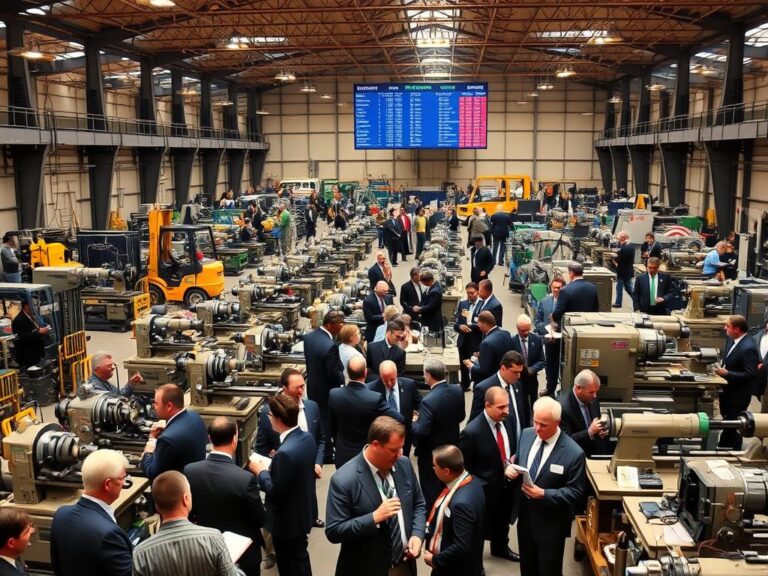
When participating in construction equipment auctions, it’s crucial to inspect the equipment thoroughly before bidding. This step is essential to avoid potential risks and make informed purchasing decisions.
Inspecting the equipment allows you to assess its condition, identify potential issues, and determine its value. By being well-prepared, you can avoid costly surprises and ensure a successful transaction.
Key Takeaways
- Inspect equipment thoroughly before bidding at auctions
- Assess the condition and value of the equipment
- Identify potential issues to avoid costly surprises
- Make informed purchasing decisions
- Ensure a successful transaction by being well-prepared
Why Inspection is Critical Before Bidding
Before you bid on used construction equipment, understanding the importance of inspection can save you from significant financial losses. Inspecting the equipment thoroughly before bidding is a crucial step that helps you make informed decisions.
Financial Risks of Uninspected Equipment
Buying used construction equipment without a proper inspection can expose you to substantial financial risks. Uninspected equipment may have hidden damages or needed repairs that can lead to costly surprises down the line. Some of the key financial risks include:
- Unexpected repair costs
- Loss of productivity due to equipment failure
- Potential safety hazards
Potential Return on Investment with Proper Inspection
On the other hand, a thorough equipment inspection can lead to a better return on investment. By identifying the equipment’s condition and potential issues, you can make a more informed bidding decision. This can result in:
- Lower purchase prices for equipment with known issues
- Avoiding costly surprises and reducing maintenance costs
- Increased confidence in your investment
By understanding the importance of equipment inspection, you can mitigate financial risks and potentially increase your return on investment. This makes inspection a critical step before bidding on used construction equipment.
Research and Preparation Before the Auction
Understanding your equipment needs and the auction process is vital before you start bidding at a used construction equipment auction. Adequate preparation involves several key steps that help you make informed decisions and avoid potential pitfalls.
Identifying Equipment Needs and Budget
You need to clearly define what equipment you require and set a realistic budget. Consider the specific tasks the equipment will be used for and the features that are essential for your operations. Establishing a budget will help you narrow down your options and avoid overspending.
Researching Market Values and Fair Prices
Researching the market value of the equipment you’re interested in is crucial. Look at historical sales data, current market trends, and prices of similar equipment to determine fair prices. This knowledge will empower you to make competitive bids.
Understanding Auction Terms and Conditions
Each auction has its own set of terms and conditions. Understanding these is vital to avoid any surprises during or after the auction. Pay attention to payment terms, pickup or delivery details, and any additional fees.
By following these steps, you’ll be well-prepared to navigate the auction process confidently and make informed decisions.
Essential Tools and Resources for Equipment Inspection
Inspecting used construction equipment requires a combination of the right tools, digital resources, and personal protective gear to make an informed purchase decision. To conduct a thorough inspection, you need to be well-prepared.
Basic Inspection Tools to Bring
Having the right inspection tools is crucial for assessing the condition of used construction equipment. Some of the essential tools include:
- A flashlight for inspecting dark or hard-to-reach areas
- Gauges for checking tire pressure and hydraulic fluid levels
- A magnet for detecting potential engine problems
- Measuring tape for assessing wear on parts
Digital Resources and Apps for Equipment Verification
In addition to physical tools, digital resources can provide valuable information about the equipment’s history and market value. Some useful digital tools include:
- Equipment databases for checking serial numbers and ownership history
- Market valuation apps for determining fair market prices
Personal Protective Equipment for Inspections
Safety should always be your top priority when inspecting equipment. Ensure you’re wearing personal protective equipment such as:
- Steel-toed boots
- Safety glasses
- Gloves
By combining these tools and resources, you can make a more informed decision when bidding on used construction equipment.
Used Construction Equipment Auctions Guide: The Inspection Process
A well-planned inspection is the key to successfully navigating used construction equipment auctions. You need to be thorough and strategic in your approach to ensure you’re making an informed bidding decision. This involves several steps, from pre-inspection planning to working effectively with auction staff on the day of the auction.
Pre-Inspection Planning
Before the auction day, it’s crucial to prepare for the inspection. You should research the equipment you’re interested in, review its history, and identify any potential issues. Make a checklist of items to inspect, including critical components like the engine, hydraulics, and electrical systems.
- Review equipment history and maintenance records
- Identify potential issues or needed repairs
- Create a comprehensive inspection checklist
Auction Day Inspection Timeline
On the auction day, manage your time effectively to inspect the equipment thoroughly. Arrive early to avoid last-minute rushes and ensure you have enough time to inspect all the equipment you’re interested in. Prioritize your inspections based on your bidding priorities.
Working with Auction Staff During Inspection
During the inspection, auction staff can provide valuable insights and information about the equipment. Don’t hesitate to ask questions about the equipment’s condition, history, or any repairs it may have undergone. Building a rapport with the staff can also give you an edge in understanding the auction process.
By following these steps and working closely with auction staff, you can make a more informed decision and potentially secure better deals at the auction.
Exterior Inspection Checklist
Before bidding on used construction equipment, it’s essential to conduct a comprehensive exterior inspection. This step helps you identify potential issues, assess the equipment’s overall condition, and make an informed decision.
Frame and Structural Components
The frame and structural components are critical to the equipment’s integrity and longevity. Inspect the frame for any signs of damage, such as cracks, dents, or rust. Check for any repairs or welds that may indicate previous damage or stress on the equipment.
Signs of Repairs, Welds, and Damage
Look for signs of repairs, including welds, patches, or replaced parts. These can be indicative of past problems or potential weaknesses in the equipment. Assess whether the repairs appear to be professionally done and if they seem to be holding up over time.
Tires, Tracks, and Undercarriage Assessment
The condition of tires, tracks, and undercarriage components can significantly affect the equipment’s performance and maintenance costs. Inspect these components closely.
Wear Patterns and Replacement Indicators
Check the wear patterns on tires or tracks. Uneven wear can indicate alignment issues or other problems. Look for signs that these components are nearing the end of their service life, such as excessive wear or damage.
Sprockets, Idlers, and Rollers Condition
For tracked equipment, inspect the condition of sprockets, idlers, and rollers. Worn or damaged components here can lead to costly repairs and downtime. Check for signs of wear, misalignment, or excessive play.
By carefully examining the exterior of the equipment, you can gain a better understanding of its condition and potential for future performance. This inspection is a crucial step in making a well-informed purchasing decision at a used construction equipment auction.
Engine and Mechanical Systems Inspection
To ensure you’re making a sound investment, it’s vital to inspect the engine and mechanical systems of the construction equipment you’re interested in.
Engine Start-up and Performance Evaluation
Begin by evaluating the engine’s start-up and performance. Listen for any unusual noises and check for smooth idling. A well-maintained engine should start easily and run smoothly.
Fluid Levels and Quality Check
Next, check the fluid levels, including engine oil, coolant, and hydraulic fluid. Ensure that the levels are adequate and the fluids are clean and free from contamination. Dirty or low fluids can indicate poor maintenance.
Hydraulic System Assessment
The hydraulic system is critical for the operation of most construction equipment. Inspect the hydraulic hoses and connections for signs of wear or leakage.
Hydraulic Hoses and Connections
Check the condition of hydraulic hoses and connections. Look for any signs of damage, such as cracks or excessive wear, which could lead to system failure.
Cylinder Function and Leakage
Test the hydraulic cylinders for proper function and check for any signs of leakage. Cylinder leakage can significantly impact equipment performance.
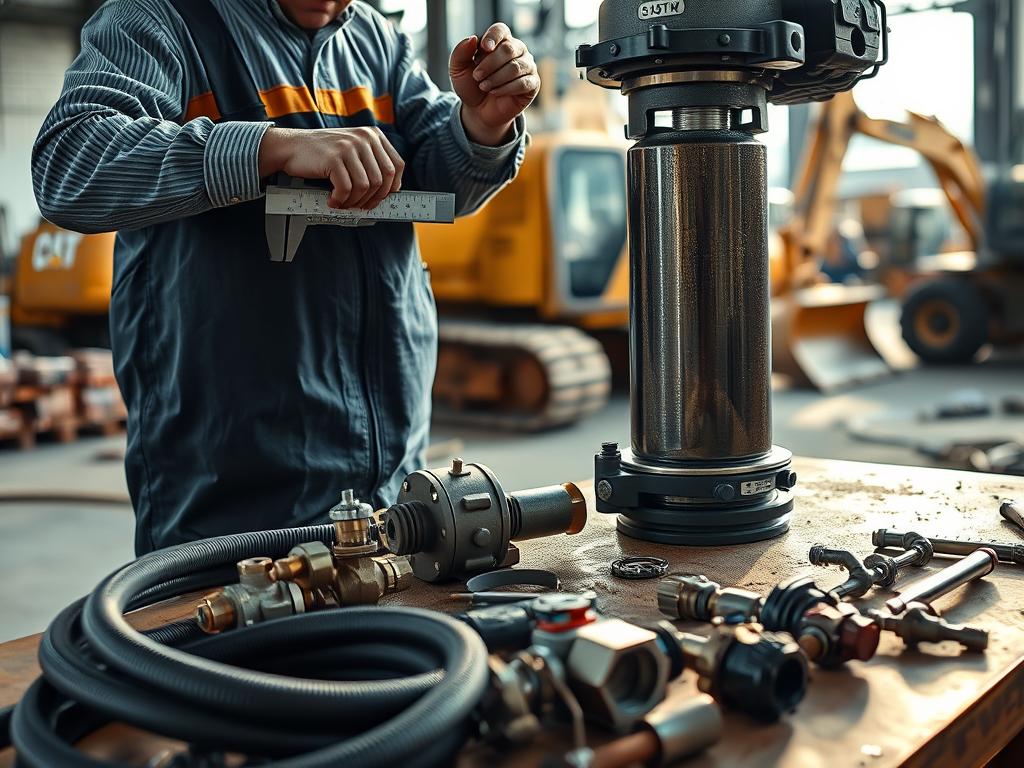
By thoroughly inspecting the engine and mechanical systems, you can better understand the condition of the equipment and make a more informed bidding decision.
Electrical Systems and Controls Verification
When inspecting used construction equipment, verifying the condition of electrical systems and controls is crucial. This process involves several key steps to ensure that all electrical components are functioning as expected.
Testing Gauges, Lights, and Warning Systems
Start by testing all gauges, lights, and warning systems to ensure they are operational. This includes checking dashboard gauges for accuracy, verifying that all lights (including headlights and warning lights) are working, and testing warning systems such as alarms and backup alarms. Faulty warning systems can lead to accidents, so it’s critical they are functioning correctly.
Control Functions and Responsiveness
Evaluate the responsiveness of control functions, including joysticks, pedals, and other operational controls. Ensure that they respond smoothly and accurately to inputs. Any lag or unresponsiveness could indicate a problem with the electrical or hydraulic systems.
Computer Diagnostics When Available
If the equipment is equipped with modern computerized systems, utilize computer diagnostics to check for any error codes or system malfunctions. This can provide valuable insights into the health of the equipment’s electrical and mechanical systems.
Battery and Charging System Evaluation
Finally, assess the condition of the battery and charging system. Check the battery’s age, condition, and charge level. Also, test the charging system to ensure it’s functioning correctly and charging the battery as expected. A failing battery or charging system can leave you stranded.
As emphasized by industry experts, “A thorough inspection of electrical systems is not just about avoiding immediate problems; it’s also about ensuring the long-term reliability and performance of the equipment.”
Operational Testing Procedures
Operational testing procedures are essential for evaluating the condition and performance of used construction equipment at auctions. This step helps you identify potential issues before finalizing your purchase.
Safe Testing Methods at Auction Sites
When conducting operational testing, safety is paramount. Ensure you’re wearing appropriate personal protective equipment (PPE) and follow the auction site’s guidelines for equipment operation. Familiarize yourself with the equipment’s controls and functions before testing to avoid accidents.
Performance Indicators to Watch For
During operational testing, monitor the equipment’s performance closely. Key indicators include smooth operation of hydraulic systems, proper functioning of electrical components, and the absence of unusual noises or vibrations. Pay attention to how the equipment responds to controls and whether it operates within expected parameters.
Red Flags During Operation
Be vigilant for signs of trouble during operational testing. Red flags include excessive smoke, leaking fluids, erratic movements, or failure to respond to controls. Identifying these issues early can save you from costly surprises down the line.
Testing Under Load When Possible
If feasible, test the equipment under load to simulate real-world conditions. This can reveal issues that aren’t apparent during idle operation, such as decreased performance under stress or unusual wear on components. Testing under load provides a more comprehensive understanding of the equipment’s capabilities and condition.
Documentation and History Verification
The process of buying used construction equipment involves more than just inspecting the machinery; it also requires verifying its documentation and history. This step is crucial in ensuring that your purchase is legitimate and that you’re aware of any potential issues with the equipment.
Maintenance Records Review
Reviewing maintenance records is essential to understand the equipment’s maintenance history. This includes checking for regular servicing, any major repairs, and whether the equipment has been properly maintained. Maintenance records can provide valuable insights into the equipment’s condition and potential future maintenance needs.
Hour Meter Verification
Verifying the hour meter reading is vital to determine the equipment’s actual usage. This helps in assessing its remaining lifespan and potential for future repairs. Ensure the hour meter is functioning correctly and that the reading is consistent with the equipment’s overall condition.
Ownership History and Title Verification
Checking the ownership history and verifying the title ensures that the seller has the right to sell the equipment and that there are no unexpected liens or ownership disputes. This step is critical in securing your purchase.
Warranty Information and Transferability
Understanding any existing warranty and its transferability is important. Some warranties may be transferable to the new owner, providing additional value to your purchase. Clarify the terms and conditions of the warranty with the seller.
Equipment-Specific Inspection Points
To ensure you’re making a sound investment, it’s essential to conduct equipment-specific inspections for the machinery you’re interested in. Different types of construction equipment have unique components that require thorough examination. Understanding these specific inspection needs is crucial for evaluating the condition and potential of the equipment accurately.
Excavators and Backhoes
Excavators and backhoes are complex machines with several critical components that need inspection. When examining these machines, focus on:
Boom, Stick, and Bucket Inspection
Inspect the boom and stick for signs of wear, damage, or repairs. Check the bucket teeth and cutting edges for wear and ensure that the bucket is properly attached and functioning correctly.
Swing Mechanism and Slew Ring
Examine the swing mechanism for smooth operation and check the slew ring for signs of wear or damage. Ensure that the upper structure rotates smoothly and that there are no unusual noises during operation.
Bulldozers and Graders
Bulldozers and graders are heavy-duty machines that require inspection of their critical components. Key areas to focus on include:
Blade and Ripper Condition
Inspect the blade for wear, damage, or deformation. Check the ripper teeth for wear and ensure that they are securely attached. The condition of the blade and ripper directly affects the machine’s performance.
Final Drive Components
Examine the final drive components for signs of leaks, wear, or damage. Check the condition of the tracks and ensure that they are properly tensioned.
Loaders and Skid Steers
Loaders and skid steers are versatile machines used in various construction tasks. When inspecting these machines:
Bucket and Attachment Connections
Check the bucket and any attachments for wear, damage, or improper connections. Ensure that the quick coupler is functioning correctly and that attachments are securely attached.
Lift Arms and Linkage
Inspect the lift arms and linkage for signs of wear, damage, or misalignment. Ensure that the lift arms move smoothly and that there are no unusual noises during operation.
Cranes and Lifting Equipment
Cranes and lifting equipment require careful inspection to ensure safe operation. Key inspection points include:
Cable and Hook Inspection
Examine the cables for signs of wear, damage, or fraying. Check the hook for wear, damage, or deformation. Ensure that the load-bearing components are in good condition.
Outrigger Condition
Inspect the outriggers for damage, wear, or improper extension. Ensure that they are functioning correctly and that the machine is stable during operation.
Auction Bidding Strategies Based on Inspection Findings
The inspection is complete; now it’s time to formulate a bidding strategy that maximizes your chances of securing the right equipment at the right price. Developing an effective bidding plan based on your inspection findings is crucial for making informed decisions at used construction equipment auctions.
Setting Maximum Bid Limits
Before the auction begins, it’s essential to determine your maximum bid limit. This involves calculating the maximum amount you’re willing to pay for the equipment, taking into account your budget, the equipment’s condition, and its potential return on investment.
Factoring Repair Costs into Bidding Decisions
When bidding on used equipment, it’s crucial to factor in potential repair costs. Consider the condition of the equipment, the cost of necessary repairs, and how these costs will impact your overall expenditure.
When to Walk Away from a Potential Purchase
Knowing when to walk away from a potential purchase is just as important as knowing how to bid. If the bidding exceeds your maximum limit or if the equipment’s condition is worse than initially thought, it may be time to reconsider your bid.
Competing with Dealers and Other Contractors
At auctions, you’ll often be competing with dealers and other contractors. To succeed, you need to be prepared to bid confidently and make quick decisions. Understanding the market value of the equipment and staying within your budget will help you navigate these competitive situations.
Conclusion: Making Informed Decisions at Construction Equipment Auctions
When participating in construction equipment auctions, making informed decisions is crucial to achieving your equipment needs while mitigating potential risks. By following the inspection checklist and bidding strategies outlined in this article, you can confidently navigate the auction process.
A thorough inspection helps identify potential issues, allowing you to make a more accurate assessment of the equipment’s value. This, combined with effective bidding strategies, enables you to make informed decisions that align with your budget and project requirements.
At construction equipment auctions, the key to success lies in being prepared. By applying the knowledge gained from this article, you can optimize your chances of securing the right equipment at a fair price, ultimately driving your projects forward efficiently.
FAQ
What are the potential financial risks of buying used construction equipment without a proper inspection?
How can I prepare for a used construction equipment auction?
What tools and resources do I need to inspect used construction equipment effectively?
What should I check during an exterior inspection of used construction equipment?
How do I evaluate the engine and mechanical systems of used construction equipment?
What are the key electrical systems and controls to verify during an inspection?
How do I conduct operational testing of used construction equipment?
What documentation and history should I verify when buying used construction equipment?
Are there specific inspection points for different types of construction equipment?
How can I develop an effective bidding strategy based on my inspection findings?
What are some common mistakes to avoid when buying used construction equipment at auction?
How can I ensure I’m making an informed decision when buying used construction equipment?
Sobre o Autor