
When you’re in the market for new equipment, whether for dairy farming or construction, the decision to buy used or new can be daunting. Auctions offer a platform where you can acquire the equipment you need, but making an informed decision is crucial.
Buying used equipment can often make more financial sense, especially when budget constraints are a concern. However, it’s essential to weigh the pros and cons of purchasing new equipment versus used, considering factors like durability, maintenance costs, and the potential for technological advancements.
Auctions provide a unique opportunity to purchase both new and used equipment, but understanding the financial implications of your choice is key to making a smart investment.
Key Takeaways
- Assessing the financial sense of buying used versus new equipment is crucial.
- Auctions offer a viable platform for purchasing both new and used equipment.
- Consideration of factors like durability and maintenance costs is essential.
- Budget constraints often make used equipment a more attractive option.
- Understanding the pros and cons of each choice leads to a smarter investment.
The Equipment Auction Landscape
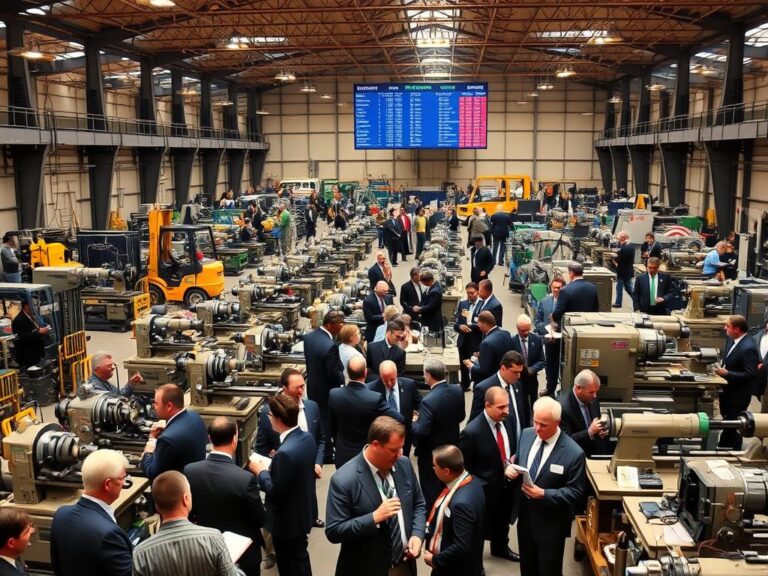
The equipment auction landscape is diverse, offering various platforms for buyers to acquire used equipment. This diversity caters to different buyer needs and preferences, making it easier to find the right equipment.
Types of Equipment Auctions Available
Equipment auctions can be broadly categorized into different types based on their format and the equipment they feature.
Online vs. In-Person Auctions
Online auctions offer the convenience of bidding from anywhere, at any time, while in-person auctions provide the opportunity to inspect equipment before bidding. Consider the following key differences:
- Online Auctions: Convenient, wider reach, and often feature a broader range of equipment.
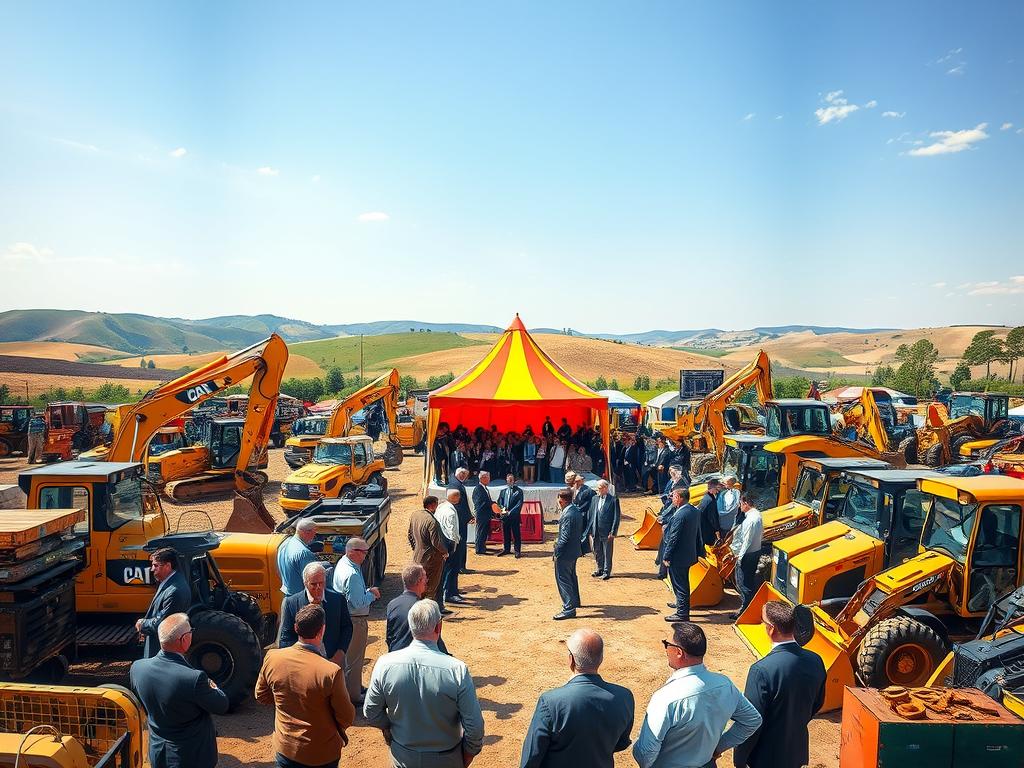
- In-Person Auctions: Allow for physical inspection, immediate feedback, and a more traditional auction experience.
Specialized vs. General Equipment Auctions
Specialized auctions focus on specific types of equipment, such as heavy machinery or agricultural equipment, while general auctions feature a wide range of equipment categories.
How Equipment Auctions Work
Understanding the mechanics of equipment auctions is crucial for a successful bidding experience.
Registration and Bidding Processes
To participate in an auction, you typically need to register in advance, providing necessary information and sometimes a deposit. The bidding process can vary, with some auctions using live bidding and others relying on proxy bids.
Auction Fees and Buyer’s Premium
Be aware that auctions often come with additional costs, including buyer’s premiums and other fees. These can add to the overall cost of the equipment.
By understanding the different types of equipment auctions and how they work, you can make more informed decisions when purchasing used equipment.
Understanding the True Cost of New Equipment
The true cost of acquiring new equipment goes far beyond the sticker price. When you purchase new equipment, you’re not just paying the initial purchase price; you’re also committing to a range of additional expenses that can significantly impact your bottom line.
Depreciation Factors
One of the most significant costs associated with new equipment is depreciation. Equipment depreciation is a critical factor in determining the true cost of ownership.
First-Year Depreciation Rates
New equipment often experiences its most significant depreciation in the first year, with rates ranging from 20% to 50% depending on the type of equipment. For instance:
- Vehicles: 20-30% depreciation in the first year
- Heavy machinery: 30-40% depreciation in the first year
- Technology equipment: 40-50% depreciation in the first year
Industry-Specific Depreciation Patterns
Different industries experience varying depreciation patterns. For example, equipment used in the construction industry tends to depreciate more slowly than technology equipment.
Hidden Costs Beyond Purchase Price
Beyond depreciation, there are other hidden costs to consider when purchasing new equipment.
Delivery and Setup Expenses
Delivery and setup costs can add significant expenses to your new equipment purchase. These costs can include transportation fees, installation charges, and any necessary modifications to your facility.
Training and Integration Costs
Training your staff to use new equipment effectively and integrating it into your existing operations can also incur substantial costs. These may include training programs, software updates, and potential downtime during the transition period.
Understanding these factors is crucial for accurately calculating the total cost of ownership and making informed decisions about your equipment purchases.
Financial Benefits of Buying Used Equipment at Auction
When it comes to equipment acquisition, buying used at auction can provide significant financial advantages, making it an attractive option for businesses on a budget. The financial benefits are multifaceted, ranging from initial cost savings to depreciation advantages and favorable tax implications.
Initial Cost Savings
One of the most immediate benefits of buying used equipment at auction is the initial cost savings. Businesses can acquire necessary equipment at a fraction of the cost of new machinery.
Average Price Differences by Equipment Category
- Construction Equipment: Used construction equipment can be 30-50% cheaper than new.
- Agricultural Machinery: Savings on used agricultural machinery can range from 25-40%.
- Manufacturing Equipment: Used manufacturing equipment often sells for 20-35% less than its new counterpart.
Depreciation Advantages
Buying used equipment also offers depreciation advantages. New equipment depreciates rapidly in the first few years, a phenomenon known as the “steepest depreciation curve.”
Avoiding the Steepest Depreciation Curve
By purchasing used equipment, businesses can avoid this initial depreciation hit, as the equipment has already taken the largest depreciation loss.
Tax Implications
There are also tax implications to consider when buying used equipment at auction. Businesses may be eligible for certain tax deductions.
Section 179 Deductions
The Section 179 deduction allows businesses to deduct the full purchase price of qualifying equipment, including used equipment, in the year of purchase.
Depreciation Write-Offs
Additionally, businesses can claim depreciation write-offs on used equipment, further reducing their taxable income.
When Used vs New Equipment at Auction Makes Financial Sense
When considering equipment purchases at auction, determining whether used or new equipment makes more financial sense depends on several key factors. Your business needs, financial situation, and the intended use of the equipment all play crucial roles in this decision.
Business Stage Considerations
The stage of your business significantly influences whether used or new equipment is more appropriate. For startups, initial capital conservation is often a priority.
Startups vs. Established Businesses
As a startup, you may find that used equipment at auction offers a more financially viable option, allowing you to conserve capital for other critical business needs. Established businesses, on the other hand, might have more flexibility to invest in new equipment, potentially benefiting from warranties and the latest technology.
Usage Requirements Analysis
Understanding your equipment usage requirements is vital. The frequency and intensity of use can greatly impact the decision between used and new equipment.
Frequency and Intensity of Use
If the equipment will be used frequently or under harsh conditions, new equipment might be more cost-effective in the long run due to its durability and reliability. Conversely, if the equipment will be used sporadically or under normal conditions, used equipment could be a more financially sensible choice.
Budget Constraints
Budget constraints are a critical factor in deciding between used and new equipment. Effective capital allocation is essential for maintaining financial health.
Capital Allocation Strategies
You should consider your overall capital allocation strategy when deciding between used and new equipment. Allocating capital to used equipment at auction can free up resources for other business areas, such as marketing or hiring. It’s about making a financially sensible decision that aligns with your business goals.
Equipment Categories That Retain Value Well
When investing in equipment, understanding which categories retain their value is crucial for making smart financial decisions. Certain types of equipment are known to hold their worth better than others, influenced by factors such as durability, demand, and technological advancements.
Heavy Machinery and Construction Equipment
Heavy machinery, particularly construction equipment, tends to retain its value due to its robust build and consistent demand in the construction industry.
Excavators, Bulldozers, and Loaders
Equipment like excavators, bulldozers, and loaders are essential for construction projects and thus maintain their value. Their versatility and the critical role they play in construction processes make them highly sought after.
Agricultural Equipment
Agricultural equipment is another category that retains value well, driven by the ongoing need for efficient farming machinery.
Tractors, Harvesters, and Implements
Tractors, harvesters, and various implements are crucial for agricultural productivity. Their ability to retain value is linked to their durability and the continuous demand from the agricultural sector.
Manufacturing Equipment
Manufacturing equipment, especially those involved in production lines, tends to hold its value due to its importance in manufacturing processes.
CNC Machines and Production Lines
CNC machines and entire production lines are examples of manufacturing equipment that retain their value. Their precision, efficiency, and the critical role they play in production make them valuable assets.
How to Research Equipment History Before Auction
To make an informed decision, you need to dig into the equipment’s past. Researching the history of equipment before an auction is crucial for understanding its condition and potential value.
Accessing Maintenance Records
One of the key aspects of researching equipment history is accessing its maintenance records. Maintenance records provide valuable insights into how well the equipment has been cared for.
What Documentation to Request
When accessing maintenance records, you should request documentation such as service logs, repair invoices, and maintenance schedules. These documents can help you understand the equipment’s maintenance history.
Verifying Hours/Mileage
Verifying the hours or mileage of equipment is essential to ensure that the seller’s information is accurate. This step can help you avoid purchasing equipment with tampered or incorrect odometer readings.
Tools for Authenticity Verification
To verify the authenticity of the equipment’s hours or mileage, you can use tools such as service records, inspection reports, or equipment monitoring systems.
Previous Owner Investigation
Investigating the previous ownership of equipment can provide valuable information about its usage and condition. This can include understanding the type of work the equipment was used for and how it was maintained.
Questions to Ask About Prior Usage
When investigating previous ownership, you should ask questions about the equipment’s prior usage, such as the type of applications it was used for and whether it was used in harsh environments.

Step-by-Step Guide to Inspecting Used Equipment
Inspecting used equipment before buying is a critical step that can save you from costly surprises down the line. A thorough inspection involves several key steps, starting with preparation.
Pre-Inspection Preparation
Before you begin the inspection, it’s essential to be prepared. This includes gathering the necessary tools and resources.
Tools and Resources to Bring
Some of the essential tools and resources to bring include a flashlight, gloves, a notebook, and a camera. Having maintenance records and manuals can also be beneficial.
Physical Inspection Checklist
A systematic physical examination is crucial. This involves checking various components of the equipment.
Engine and Mechanical Components
Inspect the engine for signs of wear, leaks, or damage. Check the mechanical components for any unusual noise or vibration during operation.
Electrical Systems and Controls
Verify that all electrical systems are functioning correctly. Check the controls for proper operation and look for any signs of damage or wear.
Structural Integrity Assessment
Assess the structural integrity by looking for any signs of damage, rust, or corrosion. Check for any repairs or modifications made to the equipment.
When to Bring in a Professional
While a personal inspection is valuable, there are times when bringing in a professional inspector is necessary. This is particularly true for complex equipment or when you’re unsure about certain aspects.
Finding Qualified Inspectors
To find qualified inspectors, look for individuals with experience in the specific type of equipment you’re purchasing. Check for certifications and ask for references.
Red Flags When Evaluating Used Equipment
When evaluating used equipment, being aware of potential red flags is crucial for making an informed purchase decision. Several key areas to focus on include maintenance history, physical condition, and documentation.
Maintenance History Warning Signs
A thorough review of the equipment’s maintenance history can reveal potential issues. Look out for gaps in service records, as these could indicate neglected maintenance or hidden problems.
Gaps in Service Records
Gaps in service records are a significant red flag. Consistent maintenance is crucial for the longevity and performance of equipment. If records are incomplete or missing, it may be a sign of poor upkeep.
Physical Condition Red Flags
The physical condition of the equipment is another critical aspect to examine. Be cautious of fluid leaks and unusual sounds, as these can be indicative of underlying mechanical issues. Additionally, excessive wear patterns on parts can signal heavy usage or improper maintenance.
Fluid Leaks and Unusual Sounds
Fluid leaks can lead to significant mechanical failures if not addressed promptly. Unusual sounds during operation often signal problems that need immediate attention.
Excessive Wear Patterns
Excessive wear on certain parts can indicate not only heavy use but also potential misuse or lack of proper maintenance, affecting the equipment’s overall lifespan.
Documentation Issues
Proper documentation is vital for verifying the equipment’s history and legitimacy. Be wary of missing titles or certificates, as these documents are essential for proving ownership and compliance with regulations.
Missing Titles or Certificates
Missing titles or certificates can complicate the purchase process and may indicate that the equipment was previously used inappropriately or sold through unofficial channels.
By being vigilant about these red flags, you can make a more informed decision when purchasing used equipment, potentially saving time and money in the long run.
Calculating the Total Cost of Ownership
To make informed equipment purchasing decisions, it’s essential to calculate the total cost of ownership, including maintenance, operational efficiency, and resale value. This comprehensive approach helps businesses understand the true cost of equipment beyond the initial purchase price.
Maintenance and Repair Projections
Accurate maintenance projections are vital for anticipating future costs. This involves considering the equipment’s maintenance history, the cost of replacement parts, and the frequency of repairs.
Creating a Five-Year Cost Estimate
Developing a five-year cost estimate requires analyzing historical data on similar equipment, including maintenance records and repair costs. This long-term perspective helps in budgeting and financial planning.
Operational Efficiency Comparisons
Comparing the operational efficiency of different equipment models can significantly impact the total cost of ownership. Factors such as fuel consumption, productivity rates, and downtime should be evaluated.
Fuel/Energy Consumption Differences
Fuel or energy consumption differences between equipment models can lead to substantial cost variations over time. Choosing equipment with optimal energy efficiency can reduce operational expenses.
Resale Value Considerations
The resale value of equipment is another critical factor in calculating the total cost of ownership. Equipment that retains its value well can offset some of the initial purchase costs.
Residual Value Projections
Making residual value projections involves analyzing market trends, the equipment’s condition, and its age. Accurate projections help in assessing the long-term financial implications of equipment ownership.
Developing an Effective Bidding Strategy
A successful bidding strategy at equipment auctions requires a combination of research, financial planning, and auction dynamics understanding. To navigate these auctions effectively, you need to be well-prepared.
Setting Your Maximum Bid
Determining your maximum bid involves calculating the equipment’s value based on its condition, market demand, and your business needs. Value assessment formulas can help in this calculation.
Value Assessment Formulas
Using formulas that consider factors like depreciation, maintenance costs, and resale value can provide a more accurate maximum bid. For instance, you can use the following formula: Maximum Bid = (Equipment Value) – (Potential Repair Costs) – (Other Expenses).
Understanding Auction Dynamics
Auction dynamics play a crucial role in determining the outcome of your bid. Understanding how the auction process works and timing your bids strategically can significantly impact your success.
Timing Your Bids Strategically
Timing is everything in auctions. Waiting for the right moment to bid can help you avoid getting caught up in competitive bidding wars. Observe the auctioneer’s behavior and the reactions of other bidders to make informed decisions.
Avoiding Emotional Bidding
Emotional bidding can lead to overpaying for equipment. Creating a bidding checklist helps you stay focused on your financial limits and business needs.
Creating a Bidding Checklist
A bidding checklist should include your maximum bid, the equipment’s specifications, and any other relevant financial considerations. This checklist will keep you grounded during the auction.
By following these guidelines, you can develop a bidding strategy that not only helps you secure the equipment you need but also ensures you do so in a financially responsible manner.
Post-Purchase Considerations
Once you’ve purchased equipment, it’s crucial to consider the steps needed for successful integration into your operations. This involves several key post-purchase considerations to ensure that your new equipment is properly utilized and maintained.
Transportation and Installation
Transporting and installing your newly acquired equipment is a critical step. You need to plan a logistics timeline that accounts for the equipment’s size, weight, and any special handling requirements.
Logistics Planning Timeline
Creating a detailed logistics plan involves several steps, including:
- Assessing the equipment’s dimensions and weight
- Choosing the appropriate transportation method
- Coordinating with logistics providers
- Scheduling installation
Training and Adaptation
Proper operator training is essential for the safe and efficient use of your new equipment. You should assess the training needs of your operators and arrange for the necessary instruction.
Operator Training Requirements
Operator training should cover:
- Equipment operation and controls
- Safety procedures
- Maintenance basics
Warranty and Insurance Options
Understanding your warranty and insurance options can provide valuable protection for your investment. You should review the manufacturer’s warranty and consider additional insurance coverage.
After-Market Coverage Solutions
After-market coverage can include extended warranties and insurance policies tailored to your equipment needs. Researching these options can help you make an informed decision.
Conclusion
When deciding between used and new equipment at auction, you must consider the financial implications carefully. Buying used equipment can make more financial sense in certain situations, offering initial cost savings and reduced depreciation.
Your decision should be based on a thorough analysis of equipment history, usage requirements, and post-purchase considerations. Researching the equipment’s history, inspecting it thoroughly, and understanding the total cost of ownership are crucial steps in making an informed decision.
By developing an effective bidding strategy and considering factors like maintenance and repair projections, you can navigate equipment auctions with confidence. Whether you choose used or new equipment, the key is to make a financially sound decision that aligns with your business needs.
FAQ
What are the main differences between online and in-person equipment auctions?
How does depreciation affect the value of new equipment over time?
What are the financial benefits of buying used equipment at auction?
How do I research the history of equipment before an auction?
What should I look for when inspecting used equipment?
What are common red flags when evaluating used equipment?
How do I calculate the total cost of ownership for equipment?
What factors should I consider when developing a bidding strategy for equipment auctions?
What are the key post-purchase considerations after buying equipment at auction?
How do I determine whether used or new equipment is more suitable for my business needs?
What equipment categories tend to retain their value well?
What are the tax implications of buying used equipment?
Sobre o Autor